





A Craving for Comfort and Crunch
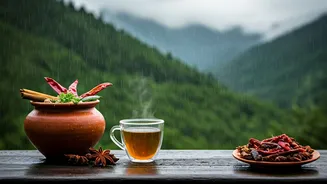
There is something elemental about the monsoon. It’s a season that stirs the soul, and for many Indians, it also stirs a specific and powerful hunger. The craving isn't just for food, but for an experience: the sizzle of batter hitting hot oil, the aroma
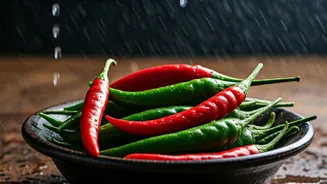
of spices mingling with the petrichor, and the satisfying crunch of a deep-fried snack. At the heart of this experience is the chilli. Whether it’s a whole chilli dipped in gram flour batter to make *mirchi bhaji*, finely chopped green chillies adding a sharp kick to potato *pakoras*, or the slow-burning heat of a spicy chutney served alongside, the chilli provides a sensory counterpoint to the cool, damp weather. This isn't just about taste; it’s about a feeling. The internal warmth generated by a spicy meal feels like a shield against the monsoon chill, a comforting culinary hug that makes an evening of relentless rain feel cosy rather than gloomy.
The Science of Ancient Wisdom
This deep-seated craving is not just a matter of modern habit; it is rooted in centuries of traditional wisdom, particularly Ayurveda. According to Ayurvedic principles, the monsoon season, or *Varsha Ritu*, is a time when the body’s digestive fire, or *agni*, becomes sluggish. The damp and cold environment can lead to indigestion, bloating, and a general feeling of lethargy. To counteract this, Ayurveda recommends consuming foods that are warming, light, and easy to digest. Chillies, with their pungent (*katu*) taste, are considered ideal. They are believed to stimulate *agni*, improve digestion, and enhance the absorption of nutrients. The heat they generate helps to dry up the excess moisture (*kapha*) that accumulates in the body during this season, preventing ailments like colds and coughs. In this context, reaching for a plate of spicy snacks isn't an indulgence; it's an intuitive act of rebalancing the body in harmony with the season.
More Than Just a Feeling
Modern science offers compelling explanations that support this ancient wisdom. The 'heat' from chillies comes from capsaicin, a powerful bioactive compound. When we consume capsaicin, it binds to receptors in our mouth that signal heat and pain to the brain. In response, the brain releases endorphins, the body's natural 'feel-good' chemicals, creating a mild sense of euphoria. This explains the uniquely pleasurable and almost addictive quality of spicy food. Furthermore, capsaicin is a thermogenic agent, meaning it can temporarily boost metabolism and increase body temperature, creating that desirable warming effect. It also has well-documented antimicrobial and anti-inflammatory properties. In a season notorious for water-borne diseases and viral infections, incorporating a natural antimicrobial agent into your diet is a smart move. So, that extra sprinkle of chilli powder in your soup isn’t just for flavour; it’s a tiny, delicious boost for your immune system.
The Season's Spicy Stars
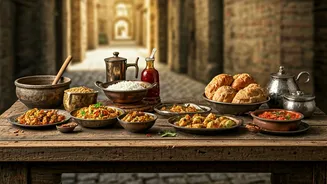
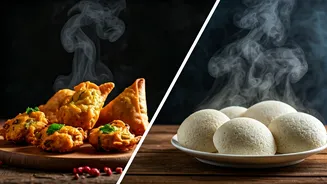
The true glory of the monsoon chilli is best observed on the plate. It is the star ingredient in a pantheon of beloved rainy-day dishes. Think of the street vendor expertly roasting a *bhutta* (corn on the cob) over hot coals, before rubbing it down with salt, lemon juice, and a generous amount of red chilli powder. Consider the iconic *mirchi vada* of Rajasthan or the *mirapakaya bajji* of Andhra Pradesh, where large, mild chillies are stuffed, battered, and fried to golden perfection. In homes, kitchens come alive with the preparation of hot and sour soups, spicy lentil stews (*dals*), and rich curries where chillies provide both a foundation of flavour and a finishing flourish. Even the humble samosa is incomplete without its accompanying tamarind and mint-chilli chutneys. Each dish tells a story of regional tastes and traditions, but they are all united by the central, indispensable role of the chilli in celebrating the monsoon.