






Visa-Free and Visa-Friendly Policies
The single biggest administrative hurdle in travel planning is the visa application. Consequently, destinations that offer visa-free entry or straightforward visa-on-arrival processes for Indian passport holders have a significant advantage. Countries
like Thailand, Malaysia, the Maldives, and Mauritius consistently rank high among Indian tourists partly due to their welcoming and hassle-free entry policies. The convenience of avoiding lengthy paperwork and uncertainty makes these destinations particularly appealing for spontaneous trips and family holidays. This trend has prompted many nations to simplify their visa rules to attract a larger share of the burgeoning Indian outbound travel market.
Budget and Value for Money
While aspirational travel is on the rise, budget remains a cornerstone of the planning process. Indian travellers are adept at seeking value, weighing flight costs, accommodation prices, and local expenses. Short-haul destinations in Southeast Asia and the Middle East are popular because they offer a complete international experience without the high cost of long-haul travel. Proximity plays a crucial role, with around 70% of travellers choosing nearby destinations. The perception of affordability, from cheap flights to reasonably priced activities and shopping, often makes or breaks a decision, especially for family and group trips where costs multiply quickly.
Direct Connectivity and Accessibility
Time is a valuable commodity, and direct flights are a major deciding factor. Destinations with convenient and frequent flight connections from major Indian cities see a direct impact on tourist arrivals. Long layovers or multiple stops can be a significant deterrent, particularly for those travelling with children or elderly family members. The availability of direct, affordable flights makes places like Dubai, Singapore, and Bangkok perennial favourites. Improved air connectivity has also been a key driver in the growing interest in destinations like Vietnam and Japan.
Culinary Experiences and Food Options
For many Indians, food is not just sustenance but a central part of the travel experience. The availability of familiar Indian cuisine, and especially vegetarian options, is a critical consideration. While many are open to trying local dishes, having access to trusted food choices provides comfort and convenience. Destinations that cater to these dietary preferences through Indian restaurants or clear labelling are highly favoured. This extends beyond just vegetarianism; the assurance of hygiene and the availability of specific dietary needs like Jain or Halal food can heavily influence a destination's appeal.
Safety, Security, and Cleanliness
Personal safety and the overall security of a destination are non-negotiable priorities for Indian travellers. This concern has grown in recent years, with geopolitical stability and local safety records being closely examined before booking. Reports from 2025 indicated that safety and security were primary concerns for a significant portion of travellers. Furthermore, cleanliness and hygiene standards, both in public spaces and accommodations, play a huge role in the overall comfort and perception of a destination, heavily influencing family travel decisions.
Family-Friendly and Group Activities
A large segment of Indian outbound tourism is centered around family or large group travel, often spanning multiple generations. As such, destinations that offer a wide range of activities suitable for all ages—from theme parks for kids to shopping for adults and relaxed sightseeing for seniors—are highly sought after. The ability to cater to a group with diverse interests is a massive plus. Places like Dubai, with its malls, theme parks, and desert safaris, and Singapore, known for its family-friendly attractions, excel in this regard.
Cultural Experiences and 'Instagrammability'
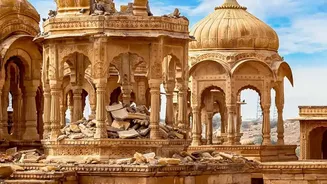
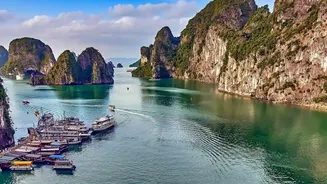
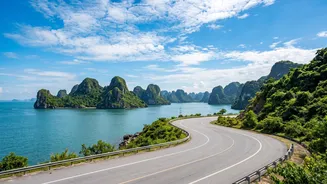
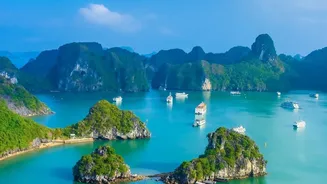
Modern Indian travellers are increasingly seeking unique cultural experiences over generic sightseeing. There's a growing desire for authentic, memorable activities, from attending local festivals to exploring historical sites. Alongside this, the visual appeal of a destination—its 'Instagrammability'—has become a powerful driver. Picturesque landscapes, unique architecture, and vibrant street life that make for great social media posts are a significant draw, turning a vacation into a shareable story for friends and followers back home.