




The Great Skincare Shift
For years, the prevailing wisdom in beauty was 'more is more'. We were encouraged to wage war on our skin with an arsenal of potent acids, retinoids, and multi-step routines that promised to scrub, peel, and polish our way to perfection. But for many,
this aggressive approach led to irritation, sensitivity, and redness—the tell-tale signs of a compromised skin barrier. Enter the 'barrier-first' movement. This trend, bubbling up from social media and now championed by dermatologists, is a collective sigh of relief. It’s a paradigm shift that prioritizes healing and strengthening the skin’s outermost layer *before* targeting other concerns like acne or wrinkles. The philosophy is simple: a healthy, intact barrier is the foundation for everything else. You can't build a beautiful house on a crumbling foundation, and the same goes for your skin.
What Is Your Skin Barrier?
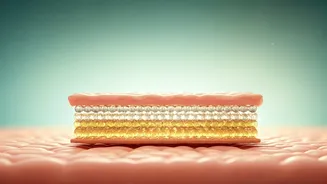
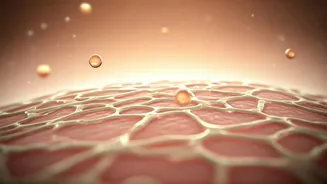
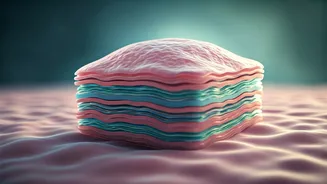
To understand the trend, you need to understand the barrier itself. Think of your skin barrier (scientifically known as the stratum corneum) as a brick wall. The 'bricks' are your skin cells (corneocytes), and the 'mortar' holding them all together is a mix of lipids—fatty acids, cholesterol, and, most importantly, ceramides. This wall has two crucial jobs. First, it keeps the good stuff in, like water, preventing dehydration and maintaining plumpness. Second, it keeps the bad stuff out, protecting you from environmental aggressors like pollution, UV radiation, and bacteria. When this mortar is weak or depleted, 'cracks' form in the wall. Water escapes, irritants get in, and your skin becomes vulnerable, leading to dryness, itchiness, and inflammation.
Ceramides: The Barrier's MVP
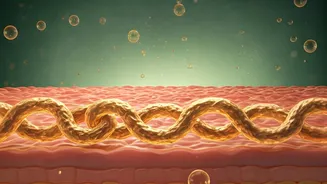
If the skin barrier is a brick wall, ceramides are the most critical component of the mortar. They make up about 50% of the skin’s lipid composition. These waxy lipid molecules are the master multitaskers of skin health. They create a waterproof seal to lock in moisture, maintain the skin's structure, and regulate cell function. Our bodies naturally produce ceramides, but levels can deplete due to age, harsh weather, over-exfoliation, or using skincare products with a high pH. When ceramide levels drop, the barrier weakens. This is why the barrier-first trend starts with ceramides: replenishing them topically is the most direct way to repair the mortar and rebuild your skin’s defensive wall.
Signs of a Damaged Barrier
How do you know if your barrier needs some TLC? Your skin will likely send clear signals. Look out for persistent symptoms that don't seem to go away, even with your regular routine: * **Increased Sensitivity:** Products that never bothered you before now cause stinging or burning. * **Constant Dryness and Flakiness:** Your skin feels tight, rough, or flaky, no matter how much moisturiser you apply. * **Redness and Inflammation:** You notice persistent blotchiness or rosacea-like symptoms. * **Itchiness:** Unexplained itchiness can be a sign that irritants are penetrating the skin. * **Breakouts:** While it seems counterintuitive, a damaged barrier can sometimes lead to more acne by allowing bacteria to thrive. If this sounds familiar, it might be time to put your strong actives on pause and focus on barrier repair.
How to Add Ceramides to Your Routine
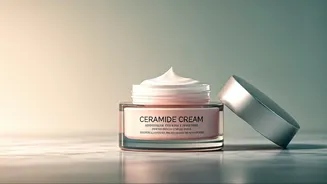
Incorporating ceramides is refreshingly simple. Look for them in cleansers, serums, and especially moisturisers. Product labels will often list 'ceramide' followed by a number (e.g., Ceramide NP, Ceramide AP) or ingredients that help the skin produce its own ceramides, like niacinamide. For best results, apply your ceramide moisturiser to damp skin to lock in even more hydration. You can use it both morning and night. It’s a gentle, universally beneficial ingredient that plays well with almost everything else in your skincare routine. When your barrier is compromised, consider stripping your routine back to a gentle cleanser, a ceramide-rich moisturiser, and sunscreen for a few weeks.