




Choosing a new fitness routine can be daunting, especially when you want a workout that's effective but gentle on your joints. Rowing and ballet-inspired barre classes are two fantastic, low-impact cardio options, but they offer very different paths to
fitness.
The Case for Rowing: A Full-Body Powerhouse
Often mistaken as just an upper-body workout, rowing is a true full-body exercise. A single stroke engages an estimated 86% of your muscles, with about 65-75% of the effort coming from your legs and glutes. The motion is a coordinated sequence: you push with your legs, engage your core and back, and finish by pulling with your arms. This makes it an incredibly efficient workout, combining cardiovascular conditioning with strength training in one session. Because you are seated, it's a low-impact activity that avoids the joint stress associated with exercises like running, making it a sustainable option for many fitness levels.
The Case for Ballet Fitness: Grace Meets Grit
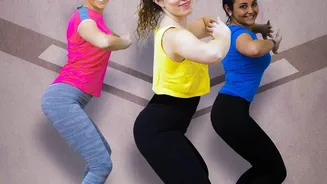
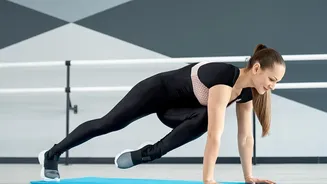
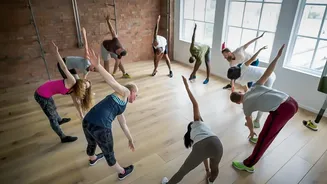
Ballet-inspired workouts, commonly known as barre, blend elements of ballet, Pilates, and yoga. These classes use a stationary barre for balance while you perform small, controlled movements, high repetitions, and isometric holds. The focus is on building muscular endurance, core strength, and flexibility. Barre excels at targeting specific muscle groups, particularly the glutes, thighs, and deep abdominal muscles that are crucial for good posture. While it may seem gentle, the sustained muscle contractions lead to the famous 'barre shake', signaling that you are working muscles to fatigue. It's an excellent low-impact choice for toning muscles without high-impact stress.
Head-to-Head: Cardio and Calorie Burn
When it comes to pure cardiovascular intensity and calorie burn, rowing generally has the edge. Its full-body nature demands more from your heart and lungs, leading to a higher energy expenditure. A 30-minute moderate-intensity rowing session can burn around 300 calories, while a ballet class of the same duration might burn closer to 200. However, many barre studios now offer 'cardio barre' classes that incorporate faster movements to elevate the heart rate, closing the gap. For high-intensity interval training (HIIT), the rower is a natural fit, allowing for powerful bursts of effort followed by recovery.
Head-'to-'Head:: Strength and Muscle Tone
Both workouts build strength, but in different ways. Rowing builds functional strength and power across the entire posterior chain—your glutes, hamstrings, and back—as well as your legs and arms. It's a workout that builds both endurance and strength simultaneously. Barre, on the other hand, is known for creating long, lean muscle definition through high'-repetition', low'-weight' exercises. It isolates and fatigues smaller', stabilizing muscles that are often overlooked in traditional strength training', leading to improved posture and a sculpted look', particularly in the core', seat', and thighs.
Head-'to-'Head:: Flexibility', Posture', and Mind-'Body' Connection
Here', ballet fitness truly shines. Posture is at the heart of every barre class', with instructors constantly providing cues to lift your chest', pull in your abs', and lengthen your spine. The workout is designed to strengthen the core and back muscles that support you all day. The stretching components woven into barre classes also significantly improve flexibility and range of motion. While rowing does require core engagement and can improve posture by strengthening the back', its primary focus is on power and cardio. Some find the rhythmic', repetitive motion of rowing to be meditative', but barre''s emphasis on precise movements and body awareness fosters a strong mind-'body' connection.
The Practicalities:: Cost and Accessibility
Your decision may also come down to practical matters. Rowing can be done at most gyms or at home if you invest in a machine. A quality home rower can range from a few hundred to over a thousand dollars', but it''s a one'-time purchase. Ballet fitness is typically done in a studio setting', with classes costing a set amount per session or via a monthly membership. While online barre classes are available', beginners often benefit from in'-person instruction to get the form right. Rowing technique is also important but can often be learned more quickly than the nuanced positions of barre.