


The Modern Dinner Dilemma
In urban India, long work hours and even longer commutes have made time a precious commodity. The desire for wholesome, home-cooked food often clashes with the reality of an exhausting schedule. Many people find themselves too tired to cook elaborate
meals, yet concerned about the health and financial costs of frequently ordering out. This tension is a shared experience for countless professionals and families who value traditional meals but lack the hours to prepare them. The result is often a compromise: quick but less-than-healthy options or a reliance on restaurants that doesn't feel sustainable. This has created a clear need for a different approach to daily cooking—one that fits into, rather than fights against, the structure of modern life.
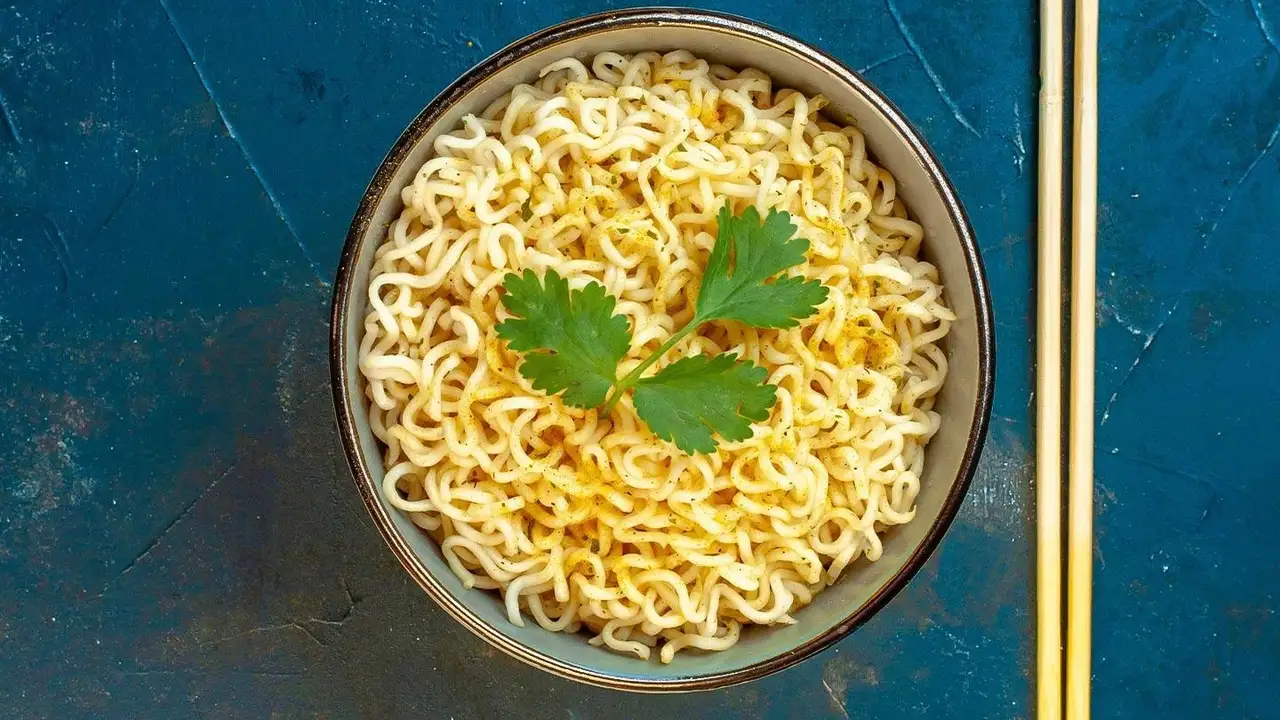
A Revolution Beyond Instant Noodles
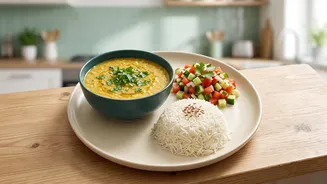
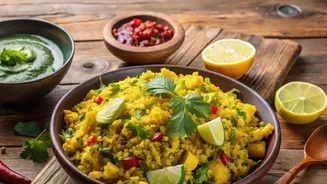
For years, “quick meals” were synonymous with processed foods. Today, that perception is changing. The current trend isn't about sacrificing health for speed; it's about smart, efficient cooking. Social media has played a huge role, with food influencers and home chefs demonstrating how to whip up flavourful, fresh meals in 30 minutes or less. These digital creators are reviving interest in traditional cuisine by simplifying complex recipes. They showcase techniques for making everything from a hearty Moong Dal Khichdi to a flavourful Paneer Bhurji without spending hours in the kitchen, proving that quick cooking can be both authentic and nutritious.
The 30-Minute Meal Mindset
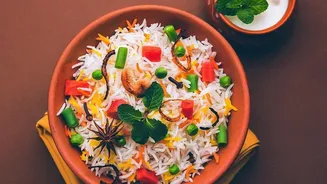
The secret to this new wave of fast cooking lies in a combination of clever recipes and strategic use of tools. One-pot meals like vegetable pulao or kitchiri have become heroes of the busy weeknight, minimizing both cooking and cleaning time. The humble pressure cooker, a long-time staple in Indian kitchens, is being celebrated for its ability to drastically cut down cooking times for dals and gravies. Recipes are being re-engineered to be completed in under 30 minutes, focusing on fewer ingredients and more efficient steps. This mindset is about working smarter, not harder, and understanding that a delicious meal doesn't need to be a day-long project.
Meal Prep is the Secret Ingredient
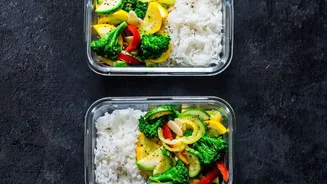
Perhaps the biggest game-changer is the adoption of meal prepping. This strategy involves dedicating a few hours over the weekend to prepare for the week ahead. It’s a practice that transforms weekday cooking from a full-blown task into a simple assembly job. Common Indian meal prep techniques include chopping onions and vegetables, making a large batch of tomato or onion-based gravy, boiling lentils, and preparing ginger-garlic paste. Having these components ready means a fresh sabzi or curry can come together in minutes. Even dosa batter can be ground and stored, making a quick, healthy breakfast or dinner an easy option. This foresight is the key to reclaiming weeknights from the stress of cooking from scratch.
Reclaiming Health, Time, and Joy
Ultimately, the turn towards quick, practical home cooking is about more than just convenience. It’s a way to regain control over health, finances, and well-being. Cooking at home is consistently linked to better nutrition, as it allows for control over ingredients like salt, fat, and sugar. For many young Indians, it has also become a way to connect with their cultural roots and find comfort in family recipes, even with a modern twist. By embracing smarter cooking methods, people are finding that a delicious, satisfying home-cooked meal doesn't have to be a luxury reserved for weekends. It can be a simple, joyful, and practical part of any busy day.