



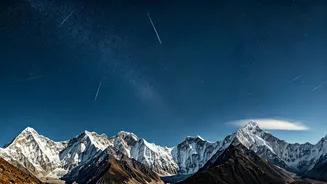


Understanding the Delta Aquariids
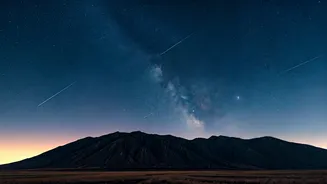
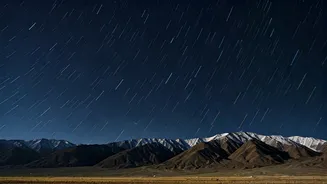
The Southern Delta Aquariid meteor shower is one of the more reliable, albeit gentle, celestial events of the year. Active from mid-July to mid-August, it's the result of Earth passing through a stream of debris left behind by Comet 96P/Machholz. These
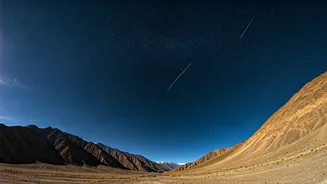
tiny particles, some no bigger than a grain of sand, burn up upon entering our atmosphere, creating the fleeting streaks of light we call meteors or shooting stars. The shower gets its name because the meteors appear to radiate from a point near the star Delta Aquarii in the Aquarius constellation. While it doesn't have the dramatic peak of more famous showers like the Perseids, the Delta Aquariids offer a steady display, producing up to 15-20 meteors per hour under perfect conditions. For 2026, the shower is expected to peak around July 29-30. However, this coincides with a bright waning gibbous moon, which will wash out the fainter meteors. This makes the choice of viewing location more critical than ever.
Ladakh: A Theatre for the Cosmos
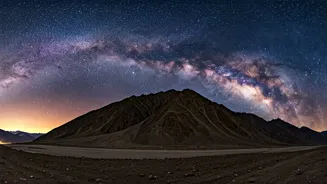
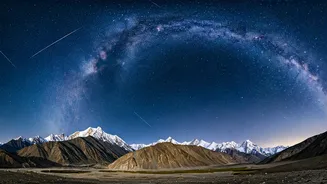
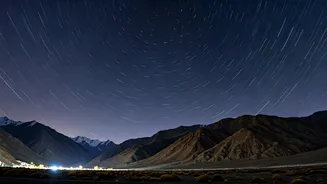
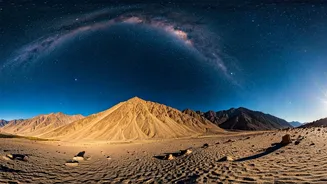
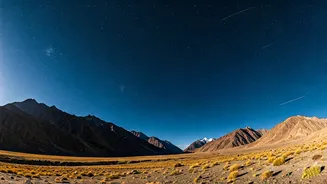
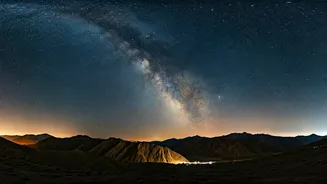
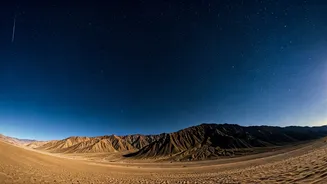
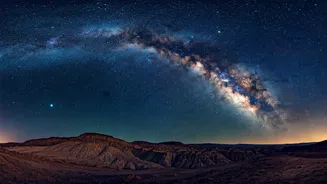
This is where Ladakh enters the picture. Its unique geography makes it arguably the best place in India, and one of the finest in the world, for stargazing. The region's power lies in a combination of factors. Its high altitude, with most areas sitting above 3,000 metres (10,000 feet), means there is a thinner atmosphere for starlight to penetrate, resulting in exceptionally clear views. Ladakh is a cold desert in a rain-shadow region, which translates to very low humidity and around 300 clear, cloud-free nights a year. Furthermore, its sparse population and remote location mean there is virtually no light pollution, a critical factor for spotting faint celestial objects. In the deep darkness of the Ladakhi night, the Milky Way is often visible to the naked eye, and even a modest meteor shower like the Delta Aquariids can feel profound.
Prime Viewing Locations
While almost anywhere in Ladakh away from the lights of Leh town offers great viewing, some spots are legendary among astronomers. The undisputed champion is Hanle, a remote village in the Changthang region. At an altitude of 4,500 metres, Hanle is home to the Indian Astronomical Observatory and was officially designated India's first Dark Sky Reserve in 2022. This designation means the local community actively works to minimise artificial light, preserving the pristine darkness for both scientific research and astro-tourism. Other spectacular locations include the areas around Pangong Tso and Tso Moriri. The vast, still surfaces of these high-altitude lakes can create a surreal mirror effect, reflecting the star-filled sky. The Nubra Valley, known for its sand dunes, also offers phenomenal stargazing opportunities once the sun goes down.
Planning Your Astro-Tourism Trip
A stargazing trip to Ladakh requires careful planning, primarily due to the altitude. The most critical step is acclimatisation. If flying into Leh (3,500 metres), you must rest for at least 48 hours before travelling to even higher altitudes like Hanle or Pangong Tso. Exerting yourself too soon can lead to Acute Mountain Sickness (AMS), which includes symptoms like headaches, dizziness, and nausea. Staying hydrated by drinking 4-6 litres of water daily is crucial. The best time for general stargazing in Ladakh is between May and September. For the Delta Aquariids, planning your trip a week before the July 30 peak might be wise in 2026, to take advantage of the moon-free pre-dawn hours. Pack multiple layers of warm clothing, as night temperatures can drop to near-freezing even in summer. A red-light torch is also recommended to help preserve your night vision.