






The Sudden Danger of a Flash Flood
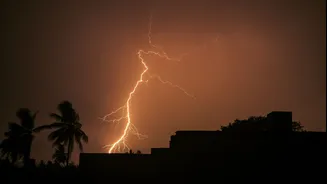
A flash flood is defined by its speed. It is a rapid and extreme flow of high water that occurs within a very short timeframe—typically within three to six hours of its cause. The primary trigger is often intense, heavy rainfall from severe thunderstorms.
However, flash floods can also be caused by dam or levee failures, or the sudden release of water from an ice jam. These floods are especially common in hilly and rocky areas, as well as in cities. Urban areas, with their vast stretches of concrete and pavement, prevent rainwater from soaking into the ground, forcing it to run off into low-lying areas very quickly. This sudden onslaught of water can turn a dry creek bed or a city street into a raging torrent in minutes, catching people completely off guard.
The Slow March of a River Flood
In contrast, a river flood, also known as a fluvial flood, is a much slower event. It happens when a river or stream overflows its banks due to prolonged, widespread rainfall or significant snowmelt across a large catchment area. Unlike the sudden rush of a flash flood, a river flood can take days or even weeks to develop as water levels gradually rise. This process starts upstream and the floodwaters slowly make their way downstream, often affecting communities far from where the initial rain fell. While they develop slowly, these floods can inundate vast areas of the floodplain, the low-lying land adjacent to a river, and the water can remain for an extended period.
Key Difference: Time and Warning
The most critical distinction between the two is time. A flash flood gives you minutes or hours to react, while a river flood may offer days of warning. This difference in lead time fundamentally changes how authorities and residents can prepare. For river floods, agencies like the Central Water Commission (CWC) in India can often issue forecasts that predict rising river levels well in advance, allowing for systematic evacuations and the protection of property. Flash flood warnings, however, are by nature immediate and urgent. By the time a warning is issued, the danger is already present or imminent, demanding immediate action rather than planned preparation.
The Nature of the Threat
The dangers posed by each type of flood are also distinct. Flash floods are considered more deadly, primarily because of the speed and force of the water. The fast-moving torrent can carry large debris like rocks and logs, and is powerful enough to sweep away vehicles and destroy buildings. Many fatalities occur when people attempt to drive through flooded roads. River floods, on the other hand, are generally associated with greater property damage over a wider area. The slow-rising water inundates homes, farms, and infrastructure for days or weeks, leading to long-term displacement, extensive water damage, and risks of waterborne diseases.
Why the Distinction Matters for Your Safety
Knowing whether you are at risk from a flash flood or a river flood dictates your safety plan. If you are in a flash flood warning area, the only correct response is to seek higher ground immediately. Do not wait. This applies especially to those in low-lying areas, near small streams, or in urban zones with poor drainage. For river floods, the longer warning period allows for more considered action. You will likely have time to secure your home, move valuables to upper floors, and evacuate in an orderly fashion if instructed to do so by authorities. Understanding which threat you face helps you interpret official warnings correctly and take the right actions to protect yourself and your family.