




The Problem with Perfect Emptiness
For the last decade, a specific brand of minimalism dominated design magazines and social media feeds. It featured stark white walls, cool grey tones, sharp lines, and an almost complete absence of personal items. While visually striking in a photograph,
the reality of living in these spaces often felt cold, impersonal, and slightly uncomfortable. Many found this aesthetic to be more of a showroom than a home, where the pressure to maintain a flawless, empty space felt at odds with everyday life. The style got a reputation for being sterile and uninviting, prompting a widespread desire for a home that felt as good as it looked.
The Shift to Warmth and Intention
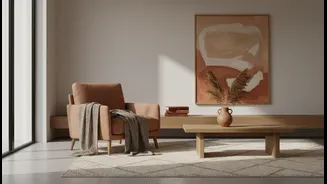
In response to this coldness, a design evolution has gained momentum: earthy, or warm, minimalism. This approach keeps the core principles of simplicity and uncluttered spaces but infuses them with a crucial layer of warmth and comfort. It's less about what you can remove and more about ensuring every item earns its place through function, beauty, or personal meaning. This philosophy represents a cultural correction—a move away from performative perfection towards spaces that feel restorative and genuinely livable. The new question isn't "how little can I own?" but rather "how can I surround myself with thoughtful, beautiful things?".
An Earth-Inspired Colour Palette
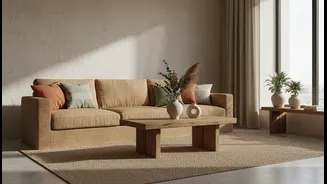
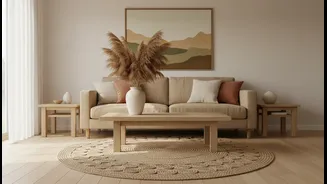
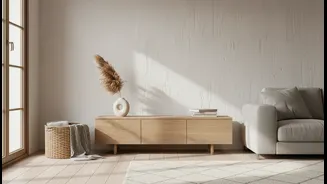
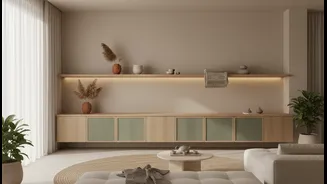
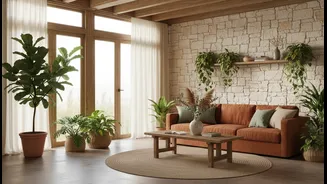
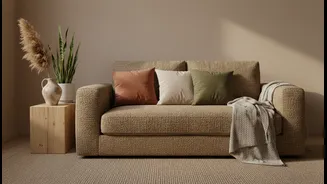
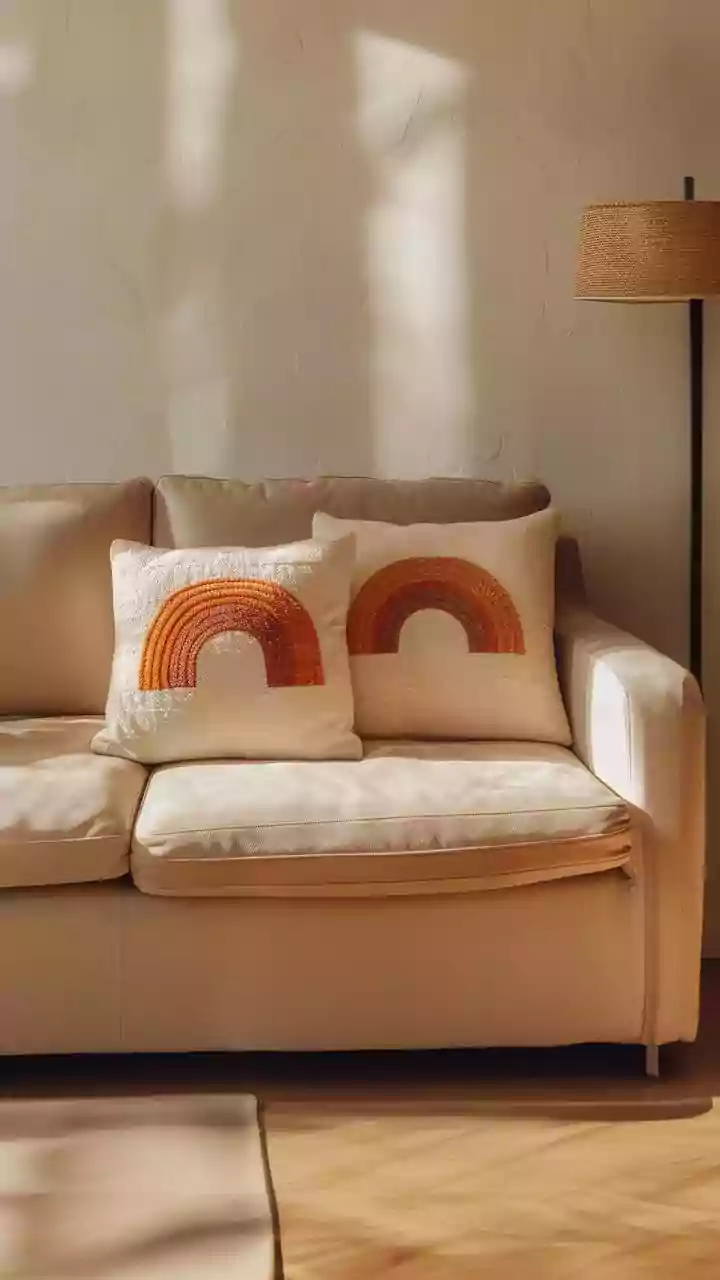
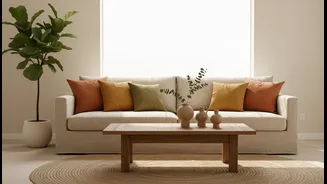
The most significant departure from cold minimalism is the colour palette. Stark, clinical whites and cool greys are replaced with a spectrum of warm, earthy neutrals. Think of shades like oatmeal, sand, beige, and soft off-whites that form a soothing backdrop. Accent colours are drawn directly from nature: terracotta, muted olive green, soft clay, and deep, earthy browns. These colours catch and diffuse light, creating a gentle, sun-washed effect that makes a room feel instantly more inviting. Metals also shift in temperature, with chrome and polished nickel giving way to warmer brass, copper, and antiqued gold.
A Focus on Natural Materials and Texture
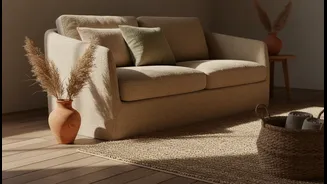
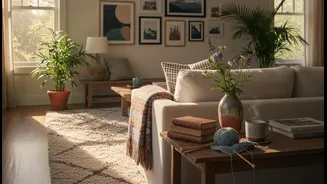
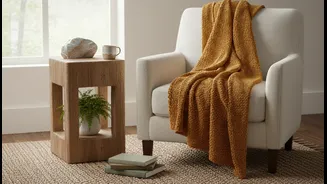
Where cold minimalism often favoured glossy, man-made surfaces, the earthy approach is defined by its use of natural, tactile materials. Wood is a central element, especially finishes like white oak, walnut, or reclaimed timber that showcase natural grain and imperfections. These are paired with other organic textures like linen, wool, rattan, jute, and stone. Layering these textures adds visual interest and depth without creating clutter. A linen sofa, a wool throw, a woven basket, or a ceramic vase can make a simple room feel rich, considered, and connected to the natural world.
Thoughtful Simplicity in Practice
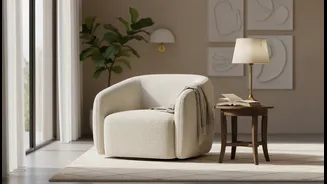
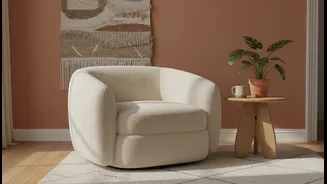
Adopting earthy minimalism doesn't require a complete overhaul. It's about making small, intentional shifts. Start by repainting a stark white room in a warmer off-white or beige. Introduce one or two pieces of wooden furniture to anchor the space. Swap out flat, cool fabrics for textiles with more texture, like a bouclé chair or linen curtains. The goal is to edit, not just add. A few curated, meaningful objects on a shelf are more impactful than a collection of random decor. Finally, focus on lighting. Replace harsh overhead brightness with layered 'pools of light' from floor and table lamps with fabric shades to create a soft, atmospheric glow.