




Stay Inside the Vehicle
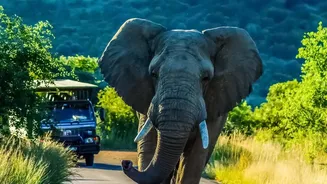
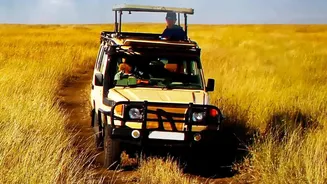
It might be the most repeated rule, but it is also the most important. Your safari vehicle acts as a protective shield. Wildlife in many popular reserves have become accustomed to vehicles, often viewing them as large, non-threatening parts of the landscape.
Stepping out of the car breaks this illusion. To an animal, a person on foot can look like a threat or, in some cases, prey. Staying in the vehicle keeps you safe from unpredictable animal behaviour and allows the wildlife to remain calm and behave naturally, which is what everyone has come to see.
Use Your Indoor Voice
The African bush has its own soundtrack, and your voice shouldn't be the main feature. Loud conversations, shouts, or sudden noises can easily startle wildlife, causing them to flee or become agitated. This not only ruins the sighting for you and others but also places unnecessary stress on the animals. To maximize your viewing opportunities, speak in low tones, as if you were in a library. Put your phone on silent and avoid using any electronic devices that make noise. Quiet, patient groups are often rewarded with more intimate and prolonged wildlife encounters.
Do Not Feed the Animals
It can be tempting to offer a snack to a curious monkey or a beautiful bird, but feeding wildlife is incredibly harmful. It makes animals dependent on humans, altering their natural foraging behaviours. This habituation can lead to aggression towards people when food is expected but not provided. Furthermore, human food is often not suitable for wild animals and can cause health problems. It also increases the risk of disease transmission between humans and animals. Respect their wild nature by observing them, not feeding them.
Trust Your Guide
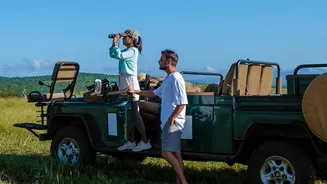
Your safari guide is a trained professional with extensive knowledge of animal behaviour and the local ecosystem. Their primary job is to keep you safe while providing the best possible experience. Always follow their instructions, whether it is about staying seated, remaining quiet, or not getting too close to a sighting. They understand animal stress signals that you might miss. Questioning their judgement or pressuring them to break park rules—like driving off-road or getting dangerously close to an animal—compromises safety and shows disrespect for their expertise and the wildlife.
Mind Your Flash and Shutter
Everyone wants the perfect safari photo, but how you take it matters. A sudden, bright camera flash can startle or temporarily blind an animal, especially during dawn, dusk, or night drives. Many parks and reserves ban flash photography for this reason. Similarly, loud camera shutter clicks can disturb a peaceful scene. Many modern cameras have a silent or quiet shutter mode; using it is a courtesy to both the animals and the other guests in your vehicle. A good photo should never come at the expense of an animal's well-being.
Patience Is a Safari Superpower
Wildlife operates on its own schedule, not ours. There will be times of quiet waiting, followed by moments of incredible action. Avoid complaining or showing impatience. A safari is not a zoo; sightings are not guaranteed. The thrill is in the unpredictability. Use the quiet moments to appreciate the landscape, the birdlife, and the sounds of the bush. A patient and observant attitude will make the experience far more rewarding. Often, the most memorable sightings happen when you least expect them, rewarding those who are willing to wait.
Leave No Trace
This is a golden rule for any interaction with nature. Leave the environment exactly as you found it. Do not discard any litter, including food scraps like fruit peels, from the vehicle. Trash can harm or even kill animals that might try to eat it. It also pollutes the pristine habitats you have travelled so far to see. Keep all your belongings and waste securely inside the vehicle and dispose of them properly back at your lodge or camp.