




An Ambitious 5-Billion-Kilometre Journey
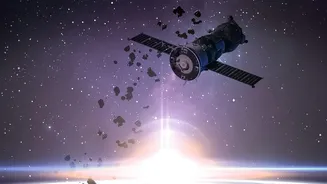
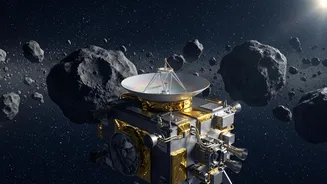
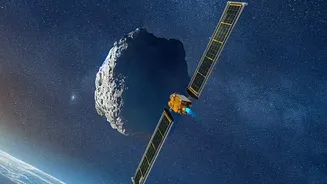
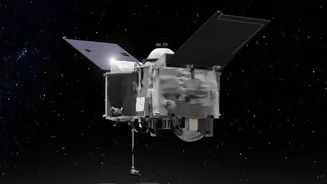
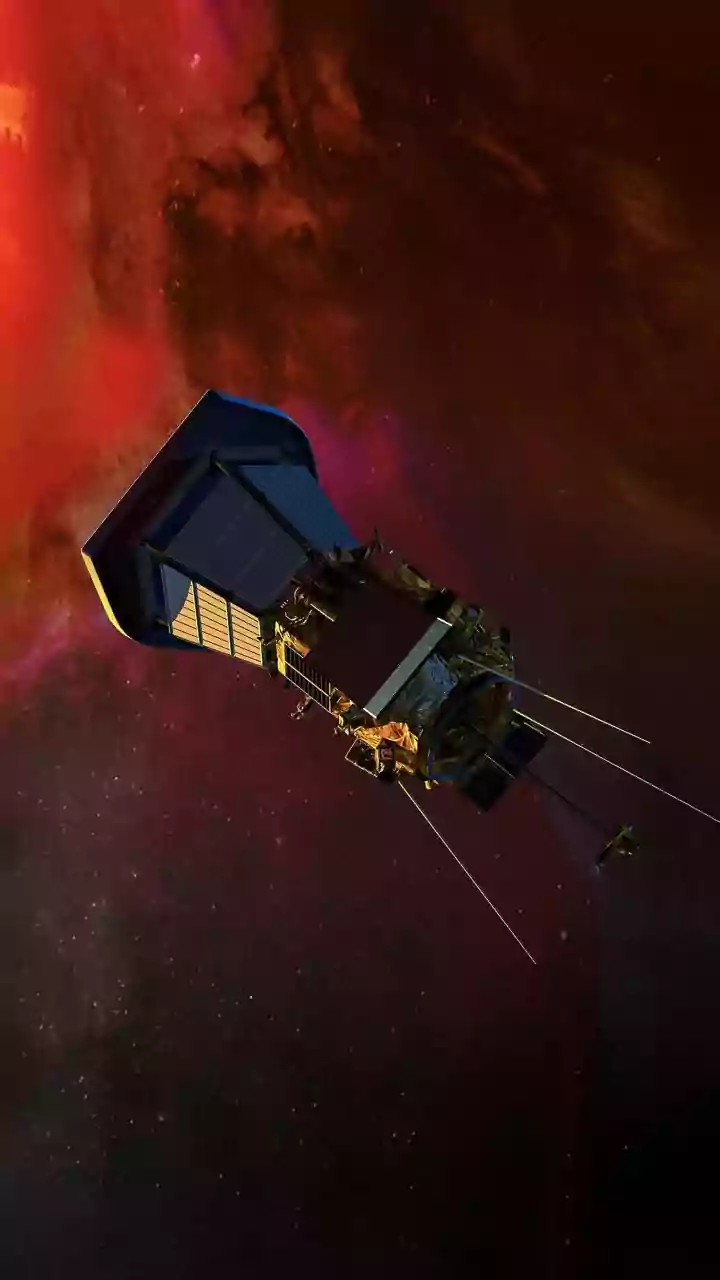
The United Arab Emirates (UAE) is embarking on one of the most complex robotic space missions ever conceived: the Emirates Mission to the Asteroid Belt (EMA). Scheduled to launch in March 2028, the main spacecraft, named the MBR Explorer, will undertake
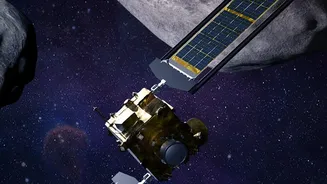
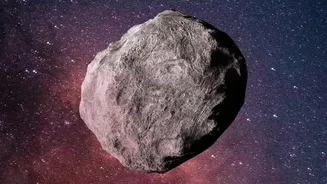
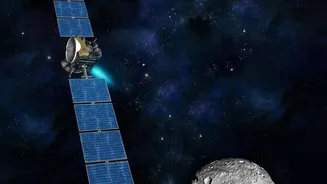
a five-billion-kilometre journey that will take it past six asteroids before arriving at its final destination in 2036: a mysterious, reddish asteroid named 269 Justitia. The goal is to study the origins of the solar system and assess the presence of water and valuable minerals. Upon reaching Justitia, the MBR Explorer will deploy a smaller lander to descend autonomously to its surface, capturing images and data as it goes. This critical lander is where our story takes a turn towards India.
The Indian Connection: Who is HEX20?
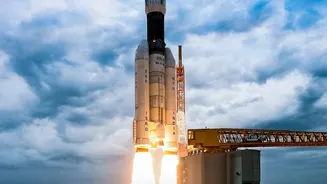
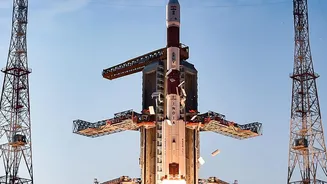
The company behind the lander's core technology is HEX20, a space-tech startup with dual headquarters in Adelaide, Australia, and Thiruvananthapuram's Technopark in Kerala. Founded in 2019 by a group of friends, including several from a small city in southern India, HEX20 has quickly established itself as a key player in the small satellite market. The founders' passion for space was reportedly sparked in their youth while watching rocket launches. Now, their company is the first private Indian firm to be selected for a deep-space mission by a Gulf nation, a significant milestone for India's burgeoning private space sector.
Building the 'Brain' of the Lander
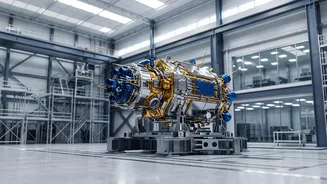
For the Emirates Mission, HEX20 was tasked with developing the lander's 'spacecraft bus' — the fundamental structure that houses and operates all the scientific instruments and payloads. This includes the mission-critical onboard computer, the power distribution systems, and the complex software needed to operate autonomously billions of kilometres from Earth. This hardware must be incredibly resilient, designed to withstand the harsh radiation of deep space and function flawlessly for the decade-long mission. The entire system was developed and delivered in a tight timeframe of just 15 months, a testament to the company's agile engineering approach. After development, the hardware was sent to Abu Dhabi for final assembly and testing by the UAE Space Agency and its partners.
Why 'Asteroid Hopping' Matters
While a single asteroid provides a snapshot, visiting multiple asteroids in one mission offers a comparative treasure trove of data. Scientists believe that asteroids are pristine remnants from the formation of our solar system. By studying their composition, they hope to unlock secrets about how planets, and even life, came to be. There is also a significant commercial interest. Asteroids are known to be rich in valuable resources, including metals that are rare on Earth and water that could one day be used to create rocket fuel in space, supporting future missions to Mars and beyond. Missions like the EMA are therefore laying the groundwork for a future space economy built on extraterrestrial resources.
The Bigger Picture for Space Exploration
The involvement of a company like HEX20 in such a high-profile international mission highlights a major shift in the space industry. Grand exploration goals are no longer the exclusive domain of national space agencies like NASA or ISRO. Instead, a global ecosystem of specialised private companies is emerging, providing critical hardware and expertise. HEX20 already has partnerships with Indian companies like Skyroot Aerospace and Dhruva Space, and is contributing to missions for Taiwan and other nations. This collaborative model, which leverages innovation from around the world, is making complex missions more achievable and cost-effective, accelerating a new era of space discovery.