





The Vitamin C Powerhouse: Amla
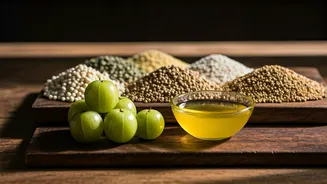
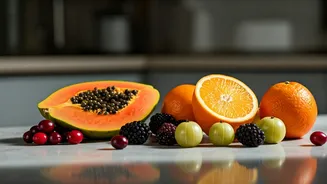
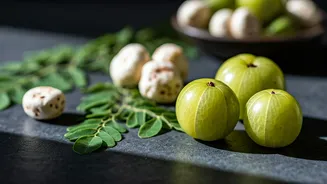
Often dismissed as just a tangy ingredient in pickles and murabba, Amla (Indian Gooseberry) is a true nutritional giant. As one of the richest known natural sources of Vitamin C, a single Amla berry contains nearly 20 times the Vitamin C of an orange.
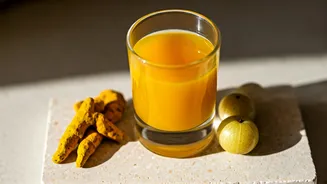
This potent antioxidant content helps boost immunity, fight cellular damage, and promote healthy skin and hair. In Ayurveda, it’s revered as a ‘rasayana’ (rejuvenator) for its ability to balance all three doshas. Its high fibre content also aids digestion and helps regulate blood sugar. A simple way to get your daily dose is by juicing a couple of fresh amlas with a little ginger and honey, or simply enjoying one raw with a pinch of salt.
The Miracle Tree: Moringa
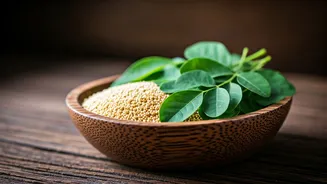
Every part of the Moringa tree, from its leaves to its pods (drumsticks), is packed with nutrients. The leaves, often sold as a powder, are a complete protein source, containing all nine essential amino acids—a rarity in the plant world. They are also rich in iron, calcium, Vitamin A, and potassium. Moringa has powerful anti-inflammatory properties, thanks to compounds like isothiocyanates. Studies suggest it may help lower blood sugar and cholesterol levels. It's incredibly versatile: add the fresh leaves to your dal or sabzi, or mix a teaspoon of the dried powder into your smoothie, dosa batter, or a glass of warm water.
The Stress Buster: Ashwagandha
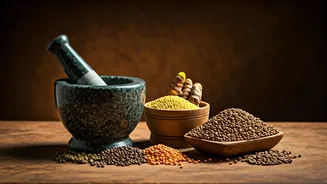
In today's high-stress world, Ashwagandha is more relevant than ever. This ancient medicinal herb is classified as an adaptogen, meaning it helps your body manage stress. It works by regulating cortisol, the body’s primary stress hormone. Numerous studies have shown that Ashwagandha can reduce symptoms of anxiety and improve sleep quality. Beyond its calming effects, it’s also known to boost brain function, memory, and concentration. It can even enhance physical performance by increasing strength and endurance. Typically consumed as a powder mixed into warm milk with ghee or as a supplement, it’s a powerful tool for holistic well-being.
The Guilt-Free Snack: Makhana
Looking for a healthy alternative to popcorn or chips? Meet Makhana (fox nuts). These puffed lotus seeds are low in calories, fat, and sodium, but high in protein, magnesium, and potassium. Their low glycemic index makes them an excellent snack for those managing blood sugar levels. They are also packed with antioxidants, which can help combat inflammation and slow the ageing process. Traditionally used in kheer or curries, Makhana truly shines when roasted. Just dry roast a bowl of them in a pan for a few minutes until crunchy, then toss with a pinch of rock salt and your favourite spices for a delicious, satisfying, and incredibly healthy snack.
The Golden Healer: Turmeric
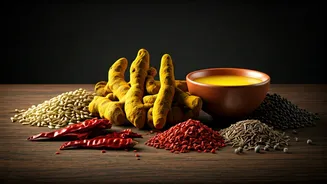
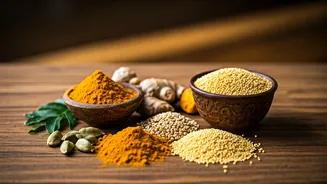
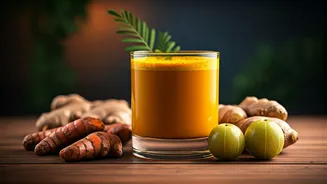
No list of Indian superfoods is complete without Haldi. While it’s a staple in every Indian kitchen, its power is often taken for granted. The magic lies in its active compound, curcumin, a potent anti-inflammatory and antioxidant. Chronic inflammation is linked to many modern diseases, and curcumin’s ability to fight it at a molecular level is remarkable. It supports joint health, improves brain function, and may lower the risk of heart disease. To maximize its benefits, always consume turmeric with black pepper. The piperine in black pepper enhances curcumin absorption by up to 2,000%. A glass of warm Haldi Doodh (turmeric milk) before bed is a timeless remedy for a reason.