






From Millions Planted to Millions That Live
For years, the success of environmental drives has been measured by a simple, headline-grabbing number: how many saplings were planted. The Harela festival, a celebration of nature deeply rooted in Kumaoni culture, has been a major platform for this,
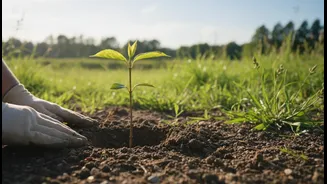
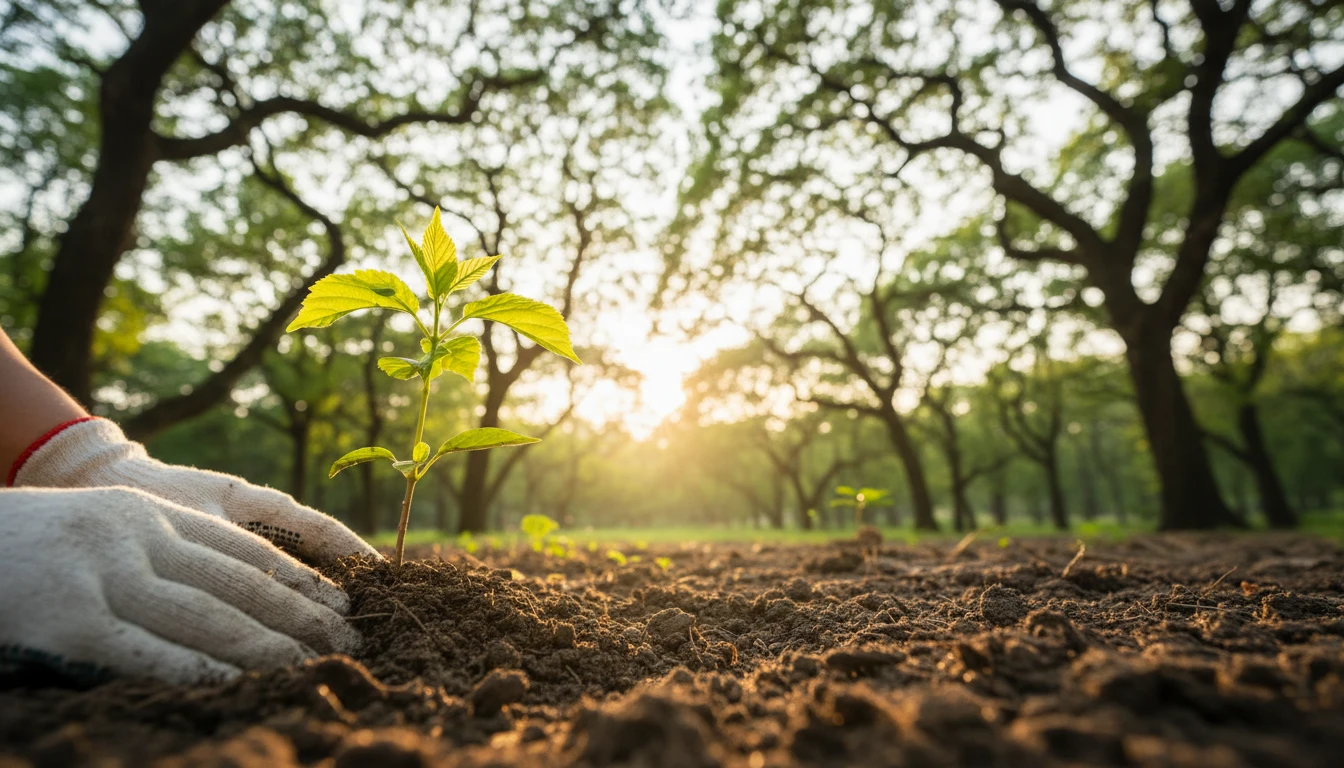
with lakhs of trees planted annually. While these numbers are impressive, they often hide a more complicated reality. A significant portion of saplings planted in mass drives often fail to survive due to a lack of after-care, poor site selection, or the use of non-native species. Recognizing this, authorities in Uttarakhand are now spearheading a more thoughtful strategy. The new goal isn't just to plant, but to ensure what is planted actually grows into a tree. This pivot from sheer quantity to long-term quality marks a significant evolution in India's approach to afforestation.
The New Strategy for Greener Hills
So, what does this new focus look like on the ground? Instead of a one-size-fits-all approach, the drive is becoming more scientific and community-oriented. Officials have been directed to prioritize planting native and fruit-bearing species that are suited to the local soil, altitude, and climate conditions. In Dehradun district, for instance, a target of planting 15.5 lakh saplings includes a specific mandate that 50% must be fruit-bearing and fodder species, which directly benefit local communities and wildlife. Furthermore, there is a renewed emphasis on site preparation, including digging pits in advance and ensuring saplings are protected after being planted. To improve oversight, details of plantation sites are being uploaded to mobile apps for real-time monitoring, bringing a new level of transparency and accountability to the campaign.
Community at the Core of Conservation
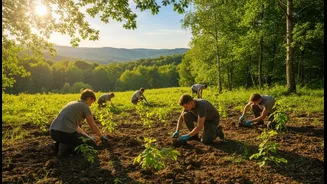
Perhaps the most critical element of the new approach is the deep involvement of local communities. The Harela festival itself is a community-driven event that celebrates the bond between people and nature. The 2026 drive amplifies this by mobilizing schools, self-help groups, youth organizations, and Van Panchayats (forest councils). Forest Minister Subodh Uniyal has highlighted the importance of participation from both department staff and local communities in the drive to plant nearly 59 lakh saplings this year. This collaboration is key to post-plantation care. When local residents have a stake in the trees planted in their area—especially when they are fodder or fruit trees—they are more likely to protect them from grazing and ensure they are watered, dramatically increasing survival rates. This approach turns a government initiative into a true mass movement for environmental conservation.
Measuring What Matters: The 80% Goal
While the focus is shifting away from headline numbers, targets still play a role. However, the most important target now is the survival rate. In previous years, officials have reported sapling survival rates of nearly 80%, a figure they are keen to maintain and improve upon. To ensure this, a special 'Green Control Room' is being set up in districts like Dehradun to conduct regular and strict monitoring of the month-long plantation drive. This control room will track progress and ensure the campaign's success is not limited to the act of plantation alone. By focusing on survival, Uttarakhand is setting a new benchmark for afforestation projects nationwide, proving that a successful green campaign is one that leaves behind a lasting forest, not just a temporary news story.