





The Gut's Microgravity Problem
For decades, astronauts have reported digestive issues, with constipation being a common complaint. For a long time, the exact reasons were unclear, though microgravity was the primary suspect. Without Earth's familiar pull, the body undergoes significant
changes. Fluids shift upwards, and the intestines are no longer as densely packed. The body must rely solely on peristalsis—wave-like muscle contractions—to move food through the digestive tract. Recent research has started to provide a clearer picture, confirming that the lack of gravity likely slows down the entire digestive process.
A Shift in the Gut Microbiome
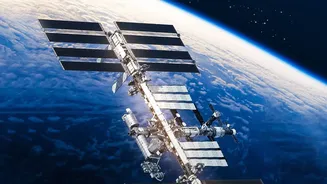
The slowdown in digestion has a profound effect on the gut microbiome, the vast community of bacteria and other microbes living in our intestines. A recent study involving 52 astronauts on the International Space Station (ISS) made a key discovery by analyzing their blood samples. Scientists found that within weeks of arriving in space, the astronauts' gut bacteria began to change their behavior. Normally, these microbes ferment carbohydrates and fiber for energy. However, because food was moving more slowly through the gut, the bacteria were running out of their preferred fuel. As a result, they switched to fermenting protein instead.
What Protein Fermentation Means for Health
This shift to protein fermentation is significant because it produces different byproducts, or metabolites, which can enter the bloodstream. Researchers detected an increase in these specific compounds in the astronauts' blood, confirming that the change was happening. While these changes appeared to reverse shortly after returning to Earth, they raise concerns for longer missions. On Earth, some of the byproducts of protein fermentation are associated with negative health effects, such as kidney issues and inflammation. This discovery highlights a potential hidden risk for astronauts undertaking future long-haul journeys to Mars and beyond.
More Than Just Microgravity
While microgravity is a major factor, it's not the only stressor affecting an astronaut's gut. The space exposome—the combination of environmental factors like radiation, confinement, stress, and an altered diet—can strongly influence the gut microbiota. Studies have shown that space travel can alter the diversity of gut microbes, often leading to a decrease in beneficial bacteria and an increase in those associated with inflammation. This disruption, known as dysbiosis, can have wide-ranging consequences, affecting the immune system, bone health, and even mental well-being. For instance, research has connected a less healthy gut microbiome to the reactivation of latent viruses and the bone loss commonly experienced by astronauts.
Finding Solutions for Future Missions
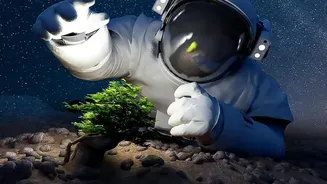
Understanding these changes is the first step toward developing effective countermeasures. Scientists are now exploring dietary strategies to keep astronaut digestive systems running smoothly. One proposed solution is to increase the intake of slowly fermented carbohydrates, such as dietary fiber from vegetables, lentils, and nuts. The idea is to provide the gut microbiome with a longer-lasting supply of its preferred fuel, reducing its reliance on protein. Other research is focused on the potential of using prebiotics and probiotics to maintain a healthy gut balance during spaceflight. Additionally, NASA is investigating how space-grown food, which can have different nutrient profiles than Earth-grown crops, impacts astronaut health, further highlighting the complex link between diet and digestion in space.