

From Kitchen Scrap to Star Appetiser
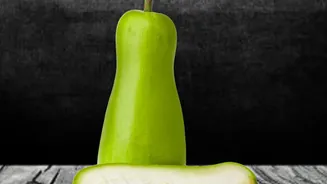
The practice of using every part of a vegetable is a cornerstone of traditional Indian kitchens, born from a philosophy of resourcefulness. Today, this 'root-to-stem' approach is celebrated as zero-waste cooking. Bottle gourd, or lauki, is a perfect example.
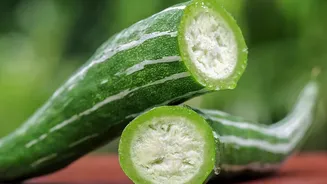
While the tender flesh is used in curries, dals, and even desserts, the peels are often discarded. However, these peels are not just edible; they are packed with nutrients and have a surprisingly high antioxidant capacity, even more so than the pulp. With the right technique and a handful of common spices, lauki peels transform from humble scraps into an impressive appetiser that is both sustainable and incredibly flavourful.
The Essential Ingredients
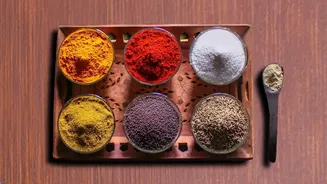
This recipe relies on pantry staples to bring the kebabs to life. The key is to balance the texture of the peels with a good binding agent and aromatic spices. You will need: two cups of clean bottle gourd peels, one cup of gram flour (besan) for binding, one finely chopped onion, and two green chillies, also finely chopped. For the spice mix, gather half a teaspoon of ginger paste, half a teaspoon of cumin seeds, half a teaspoon of red chilli powder, half a teaspoon of garam masala, a pinch of turmeric powder, and salt to taste. A handful of fresh, chopped coriander leaves will add a final burst of freshness. You will also need oil for shallow frying.
Step-by-Step Kebab Preparation
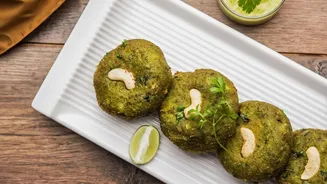
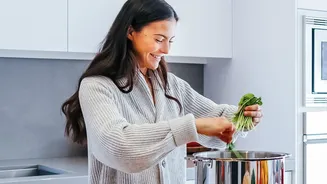
First, ensure the bottle gourd peels are washed thoroughly. Finely chop them or give them a quick pulse in a grinder. The next crucial step is to soften the peels. You can do this by boiling them for about five to seven minutes or steaming them until they are just tender. Once cooked, drain them completely and squeeze out any excess water to prevent the kebab mixture from becoming too moist. In a large bowl, combine the softened peels with the besan, chopped onion, green chillies, ginger paste, all the powdered spices, and chopped coriander. Mix everything together until it forms a firm, cohesive dough. If the mixture feels too wet, you can add an extra spoonful of besan. Let the mixture rest for about 10 minutes, allowing the flavours to meld. Then, take small portions of the dough and shape them into flat, round kebabs or patties.
Frying and Serving Suggestions
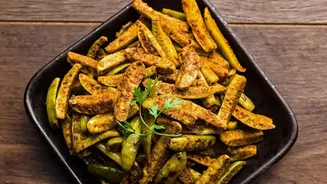
Heat a non-stick pan or tawa over a medium flame and add a few teaspoons of oil. Once the oil is hot, carefully place the kebabs on the pan, leaving some space between them. Shallow fry them on a medium-low flame, which ensures they cook through evenly and develop a crisp, golden-brown exterior without burning. Avoid being in a hurry; patience is key to a perfectly cooked kebab. Gently flip them after three to four minutes and cook the other side until it is equally golden and crisp. Once done, remove the kebabs and place them on a plate lined with absorbent paper to soak up any excess oil. These bottle gourd peel kebabs are best served hot, accompanied by a tangy mint-coriander chutney and slices of raw onion for a refreshing crunch.