





The Pre-Drive Vehicle Check
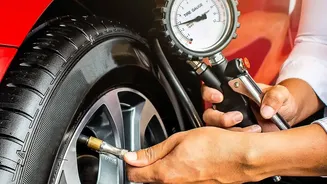
Before you even think about turning the key, a thorough inspection of your vehicle's most critical components is non-negotiable. Start with your tyres, as they are the only point of contact with the road. Ensure they have adequate tread depth—at least
2-3 mm—to provide a good grip on wet surfaces and prevent hydroplaning, which is when a layer of water builds up between the tyres and the road surface, causing a loss of traction. Next, test your brakes. Wet roads significantly increase your stopping distance, so your brakes need to be in optimal condition. Check your windscreen wipers; worn-out blades will streak and smear, drastically reducing visibility when you need it most. It's often recommended to get a new set at the start of each monsoon season. Finally, ensure all your lights are working perfectly—headlights, taillights, brake lights, and indicators. In heavy rain and fog, they are crucial for both seeing and being seen.
Under the Bonnet and Essential Fluids
What’s under the bonnet is just as important as what you can see. The damp and cold weather can put a strain on your car's battery, so have it tested to ensure it's holding a proper charge. Check for any exposed or frayed wiring that could lead to short circuits when exposed to moisture. It’s also vital to check all essential fluids. This includes your engine oil, coolant, and brake fluid. Don't forget the windscreen washer fluid; road spray and mud can quickly make your windscreen impossible to see through, and you'll need plenty of fluid to keep it clean.
Your Monsoon Emergency Kit
Getting stranded is a greater risk on hill roads, especially during the monsoon. A well-stocked emergency kit can be a lifesaver. This goes beyond the standard toolkit and should be tailored for rainy conditions. Key items include a powerful, waterproof flashlight with extra batteries, jumper cables for a dead battery, and a tow rope. A first-aid kit with bandages, antiseptic wipes, and basic medications is crucial. Also pack non-perishable snacks and plenty of water in case you're stuck for an extended period. A reflective warning triangle and a high-visibility vest can keep you safe if you need to get out of your car on the road. A change of clothes, a towel, and an umbrella might also prove invaluable.
Safe Driving on Slippery Hills
Once you are on the road, your driving style needs to adapt to the conditions. The most important rule is to slow down. Wet roads can double your stopping distance, so reducing your speed is paramount. Maintain a much larger gap than usual between your vehicle and the one in front. When driving downhill on steep slopes, use a lower gear to let the engine assist with braking, rather than relying solely on the brake pedal, which can cause overheating. Be extra cautious on blind curves; honk to alert oncoming traffic of your presence. Always be prepared to give way to traffic coming uphill.
Navigating Weather-Specific Hazards
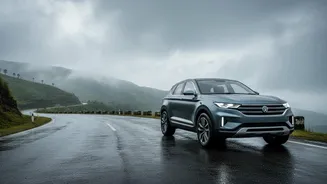
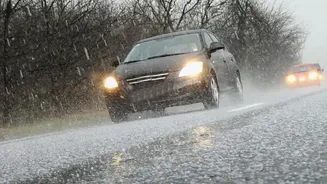
Heavy rain introduces specific dangers like hydroplaning and landslides. If you feel the car begin to hydroplane or skid, do not panic or slam on the brakes. Instead, ease your foot off the accelerator and steer gently in the direction you want to go until the tyres regain traction. Avoid driving through large puddles or areas of standing water, as they can conceal deep potholes or other debris that could damage your car. If you must drive through water, do so slowly and steadily in a low gear. Be vigilant for any signs of landslides, such as falling rocks or mud, and never park your vehicle near unstable-looking slopes. If visibility becomes extremely poor, the safest option is to pull over to a safe location, away from the flow of traffic, and wait for the downpour to subside.