





The Clothing Strategy: Pack Smart, Not More
Forget packing a new outfit for every day. The key to hatchback harmony is a capsule wardrobe. Each person should stick to one duffel bag or soft-sided bag, not a rigid suitcase. These are easier to squeeze into tight corners. Focus on versatile, breathable
fabrics like cotton that are perfect for India's unpredictable weather. Think mix-and-match: a few neutral t-shirts, a pair of comfortable trousers or loose pants (jeans are restrictive for long drives), and one light jacket or fleece. For a four-day trip, two pairs of trousers and three to four tops per person is more than enough. Roll your clothes instead of folding them to save space and reduce wrinkles. A single pair of sturdy, comfortable walking shoes or sneakers is all you need. Maybe throw in a pair of flip-flops for the hotel.
The Shared Essentials Kit: Unite and Conquer
To save space, create a single, shared kit for items everyone will use. This includes toiletries and a first-aid kit. Nominate one person to bring the toothpaste, soap, and shampoo. Another can be in charge of a comprehensive medical kit with essentials like bandages, antiseptic cream, pain relievers, motion sickness tablets, and electrolyte packets (ORS). Indian highway restrooms can be unpredictable, so a shared stash of hand sanitiser, wet wipes, and toilet paper is non-negotiable. A single, powerful mosquito repellent and a high-SPF sunscreen can also be shared among the group, reducing redundant items. This communal approach lightens everyone's individual load.
Tech, Tunes, and Navigation
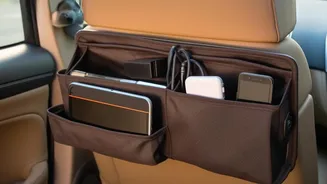
A road trip runs on good music and reliable navigation, both of which drain phone batteries. A multi-port car charger that plugs into the 12V socket is an absolute must-have. Supplement this with at least one high-capacity power bank (20,000 mAh is a good benchmark) for charging devices when you're away from the car. Don't rely solely on mobile data for maps, as network coverage can be patchy on highways and in remote areas. Download your entire route on Google Maps for offline access before you leave. For entertainment, a portable Bluetooth speaker can turn any stop into a mini-party. An extension cord or multi-plug adapter is also a lifesaver in hotel rooms that often have only one accessible power outlet.
Roadside Comforts and Snacks
Long hours in a car require some creature comforts. A few small cushions or neck pillows can make a huge difference. Sunshades for the windows are essential to combat the harsh Indian sun and keep the cabin cool. For snacking, think smart and non-messy. Instead of packing multiple large bags of chips, bring along dry snacks like nuts, biscuits, and energy bars. Fruits like bananas and apples travel well. Crucially, carry plenty of drinking water—aim for at least a couple of litres to start with. A designated garbage bag is a simple but vital item to keep the car clean throughout the journey. Dispose of it responsibly at a designated stop.
Documents and the 'Just-in-Case' Bag
Keep all essential documents in one accessible folder in the glove compartment. This includes the car's Registration Certificate (RC), insurance papers, and a valid Pollution Under Control (PUC) certificate. Each person should have their ID, like an Aadhaar card or driving license. While digital copies are useful, having physical printouts of hotel bookings is a wise backup in case your phone dies. Prepare a small vehicle emergency kit that includes a spare tyre (properly inflated), a jack, jumper cables, and a basic toolkit. Reflective triangles are also crucial for safety in case of a breakdown at night. It's also smart to keep some extra cash in small denominations for tolls and small purchases where digital payments might not be available.
Playing Hatchback Tetris: Packing the Boot
The final step is loading the car efficiently. Treat it like a game of Tetris. Place the heaviest items, like shared bags or a cooler box, at the bottom and towards the centre of the car to maintain stability. Stuff the soft duffel bags in next, squeezing them into the available spaces. Use the gaps and corners for smaller items like shoes or snack bags. Pillows and jackets can be used to fill the final empty pockets. Most importantly, ensure the driver's rear view is not obstructed. Keep a day bag accessible in the passenger area with things you'll need on the move: water, snacks, wipes, and chargers, so you don't have to pull over and unpack the boot every hour.