





A Return to Earthen Roots
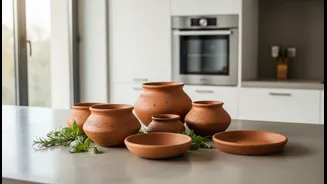
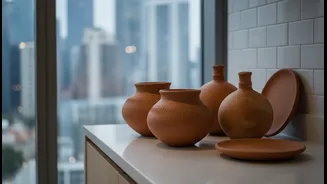
Across metropolitan hubs like Mumbai, Bengaluru, and Delhi, a growing number of consumers are consciously choosing to cook and store food in traditional clay vessels. This trend, once confined to rural areas or nostalgic restaurant themes, is now a mainstream
movement driven by a younger, health-conscious, and environmentally aware demographic. From terracotta water bottles and curd setters to elaborate 'handis' for slow-cooking biryani, these earthy utensils are no longer just relics of a bygone era. They represent a tangible shift in lifestyle, where ancient wisdom is being embraced as a solution for modern problems.
The Science of Slow Cooking
One of the primary drivers of this revival is health. Unlike metal or coated non-stick pans, which can potentially leach chemicals into food, pure clay is natural and non-toxic. The porous nature of earthenware allows for the even circulation of heat and moisture, which facilitates a slow cooking process. This not only helps in retaining the food's natural nutrients and flavours but also reduces the need for excessive oil, making meals healthier. Furthermore, clay is naturally alkaline. This property helps to neutralize the pH balance of acidic foods, making them easier to digest and potentially adding minerals like calcium, phosphorus, and iron to the meal.
More Than Just Health Benefits
While wellness is a major factor, the appeal of clay utensils runs deeper. For many urban dwellers, it's a way to reconnect with their cultural heritage and embrace a more sustainable lifestyle. Clay pots are biodegradable and their production has a smaller carbon footprint compared to industrial manufacturing of metal and plastic cookware. The rise of e-commerce platforms has also played a crucial role, making it easier for artisans from regions like Tamil Nadu and West Bengal to sell their handcrafted wares directly to city consumers, bypassing traditional supply chain challenges.
The Artisan's Touch
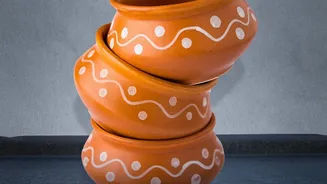
This renewed interest is providing a vital economic boost to communities of potters who have preserved this craft for generations. The art of making clay cookware is a meticulous process, often using locally sourced clay and traditional techniques passed down through families. The urban demand for authentic, handmade products celebrates this craftsmanship, ensuring that an ancient skill not only survives but thrives in the modern economy. For every clay 'tawa' or 'kulhad' that finds a home in a city kitchen, it represents a victory for sustainable livelihoods and cultural preservation.
Getting Started with Earthenware
For those new to clay cookware, a little care goes a long way. Before the first use, it's essential to 'season' the pot by soaking it in water for several hours and then letting it dry completely. When cooking, it's best to use low to medium heat, as clay retains heat exceptionally well. For cleaning, avoid harsh detergents and soaps which can get absorbed into the porous surface. Hot water and a gentle scrub are usually sufficient to keep the utensils clean and ready for their next use.