


Embrace the Colours of Navratri
One of the most cherished traditions is aligning with the nine colours of Navratri, with a specific shade designated for each day. For Shardiya Navratri 2026, which begins on October 11th, the sequence starts with Orange, followed by White, Red, Royal
Blue, Yellow, Green, Grey, Purple, and Peacock Green. You don't need to repaint your walls; incorporating these colours can be as simple as changing your cushion covers, bed linens, or using colourful dupattas as throws or backdrops for your mandir. This daily change builds a vibrant momentum and a visual narrative for the nine-day festival.
A Welcoming Entrance
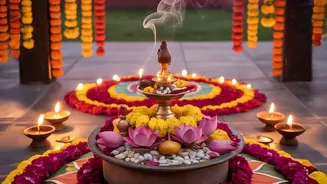
The entrance to your home sets the tone for the festivities. A beautiful 'toran' or door hanging, made from marigold flowers and mango leaves, is a traditional and auspicious way to welcome guests and positive energy. You can easily create your own or find stunning handmade ones. Complement this with a vibrant rangoli at your doorstep. Use flower petals, coloured powders, or even rice flour to create beautiful patterns. Placing a water-filled urli bowl with floating flowers and diyas at the entrance is another simple touch that adds instant elegance and charm.
Create a Divine Focal Point
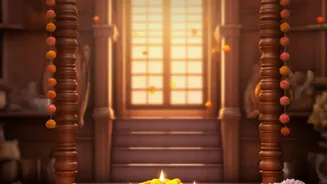
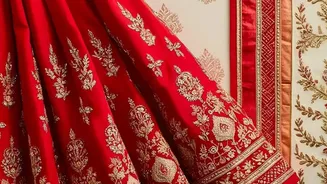
Your pooja room or a designated corner is the heart of Navratri celebrations. Make this space feel special by creating a beautiful backdrop. Old silk sarees or brightly coloured dupattas can be draped to add richness and texture. Place the idol of Goddess Durga on a decorated chowki or pedestal. In many South Indian homes, this is the time for the 'Golu' or 'Bommai Kolu', an elaborate tiered display of dolls representing deities, mythological scenes, and daily life. Even a simple three-step Golu can become a captivating storytelling corner.
Light Up Your Home
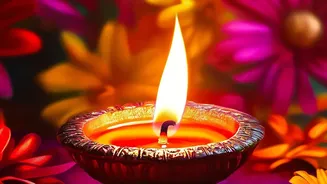
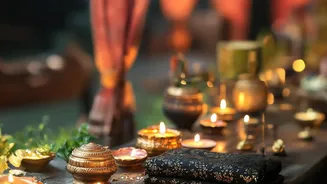
No festival is complete without the warm glow of lights, which symbolise the victory of good over evil. Go beyond simple lighting and get creative. Place traditional clay diyas in clusters around your rangoli, on windowsills, and in the mandir. For a modern twist, intertwine fairy lights with flower garlands or place them inside glass jars for a magical effect. Brass lamps and lanterns add a timeless, royal charm and enhance the devotional atmosphere. The soft, warm light creates a serene and inviting ambience perfect for evening prayers and family gatherings.
Incorporate Fragrance and Flowers
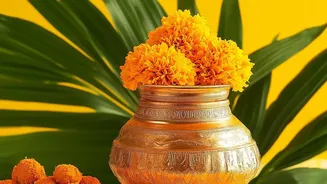
Engage all the senses by bringing fresh flowers into your decor. Marigolds, roses, and jasmine can be used for garlands, rangoli, and decorating the pooja thali. The natural fragrance elevates the spiritual experience and purifies the air. You can also use incense holders and dhoop dani to spread a pleasant aroma throughout the house. A potpourri of dried petals and spices placed in decorative bowls is another easy way to add a subtle, festive scent to your living spaces.
Add a Personal, Handmade Touch
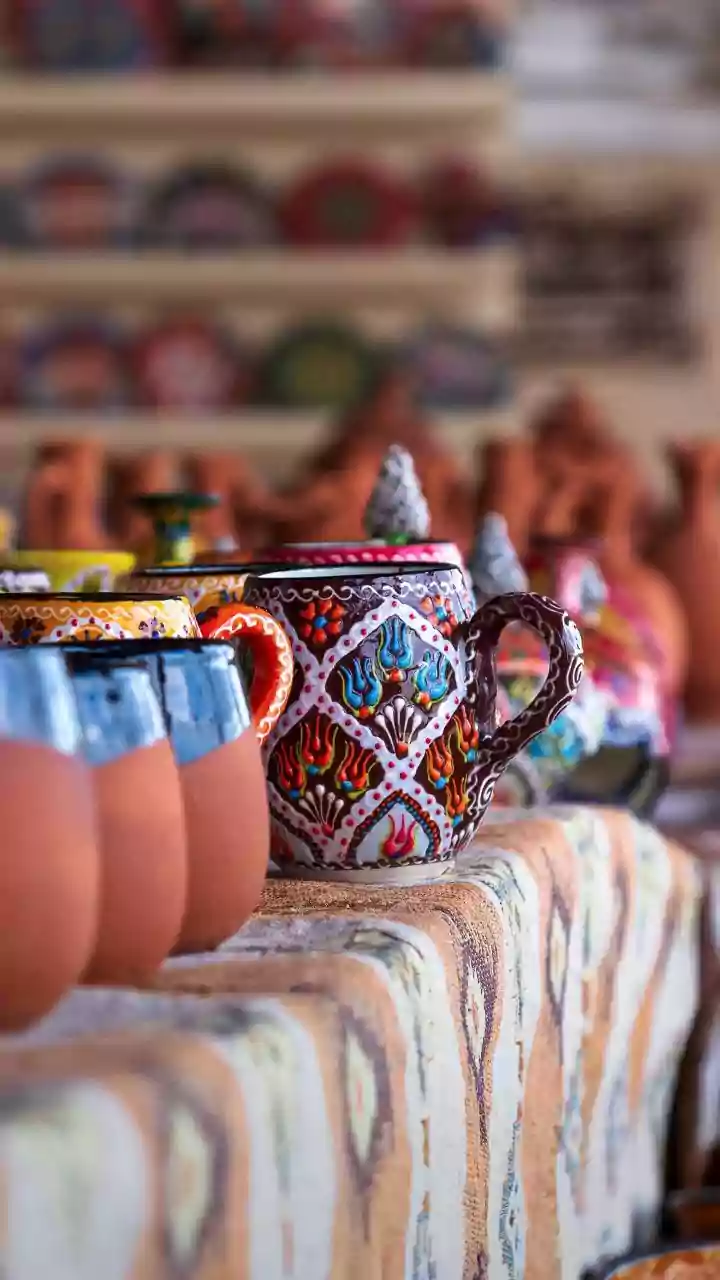
Involving the family in creating decorations makes the celebration even more meaningful. Simple DIY projects can add a unique and personal touch to your home. Paint plain clay diyas with bright colours and glitter, create paper lanterns, or make wall hangings using beads, bells, and fabric scraps. Re-purposing items like old bangles to create candle holders or using colourful fabric to make buntings are budget-friendly and creative ideas. These small, handmade details carry the love and effort of the family, making the decor truly special.