


The Heartbeat of Ladakh
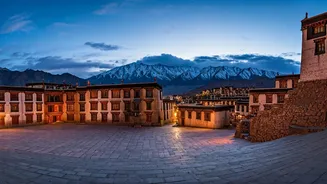
Every year, the grounds of the Hemis Gompa—the largest and wealthiest monastery in Ladakh—transform into a grand stage for one of the region's most important cultural events. Held over two days in the fifth month of the Tibetan lunar calendar, which typically
falls in June or July, the Hemis Festival is a vibrant celebration that draws locals and travellers from across the globe. It commemorates the birth anniversary of Guru Padmasambhava, the 8th-century Buddhist master credited with establishing Tantric Buddhism in Tibet. More than just a festival, it is a deeply spiritual gathering, a reaffirmation of faith, and a sensory feast that encapsulates the soul of Ladakhi culture.
The Story of the Dances
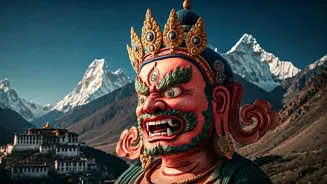
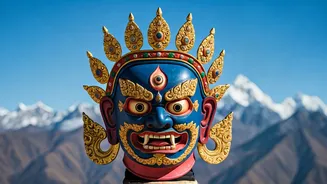
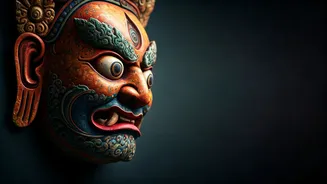
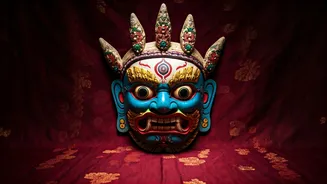
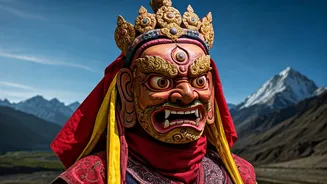
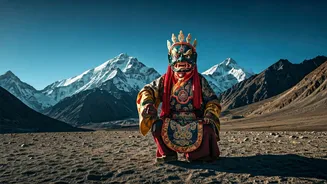
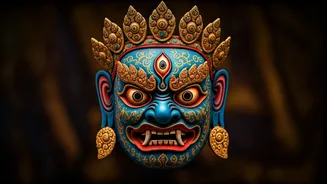
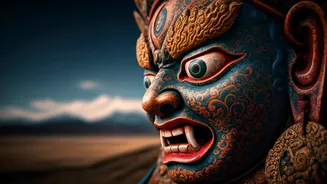
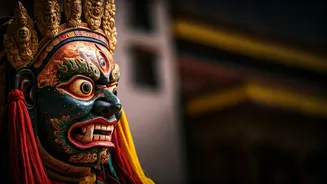
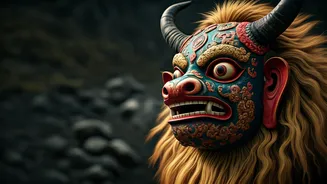
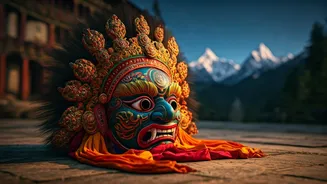
At the core of the Hemis Festival are the 'Chams'—the sacred masked dances performed by the resident lamas (monks). These are not mere performances for entertainment; they are a form of meditation and a profound spiritual practice. Each dance is a meticulously choreographed ritual that tells the story of the triumph of good over evil. The lamas, adorned in elaborate silk costumes and wearing large, often fearsome-looking masks, take on the form of various deities, demons, and protectors from the Buddhist pantheon. The masks, some serene and others wrathful, represent different aspects of the human mind and the spiritual journey. The slow, hypnotic movements, accompanied by the powerful sounds of long horns (dungchen), cymbals, and drums, create a mesmerising and otherworldly atmosphere that transports spectators to a different realm.
Key Moments to Witness
The dances depict the life and missions of Guru Padmasambhava, who is believed to have fought and subdued evil spirits to protect the local people. One of the central narratives involves the eight manifestations of Padmasambhava, each representing a different phase of his life. Another key moment is the portrayal of the protector deities, the Dharmapalas, whose fierce appearances are meant to ward off negativity and destroy obstacles to enlightenment. The slow, deliberate pace of the dances, the weight of the heavy brocade robes, and the intensity in the lamas' movements all contribute to a powerful spectacle. The finale often involves the destruction of a dough effigy, symbolising the vanquishing of ego and negative forces, clearing the path for peace and prosperity for the coming year.
Beyond the Courtyard
While the masked dances are the main attraction, the festival is a rich tapestry of experiences. The air is thick with the scent of burning juniper and incense. A major highlight, which occurs only once every 12 years, is the unfurling of a giant thangka, or sacred silk tapestry, depicting Guru Padmasambhava. This colossal artwork covers several storeys of the monastery wall and is an incredibly auspicious sight. The festival is also a bustling social event. Local families, dressed in their finest traditional attire, gather to socialise, pray, and receive blessings. Stalls are set up selling local handicrafts, jewellery, and delicious Tibetan food like momos and thukpa, adding to the festive and communal spirit.
A Traveller's Guide
Attending the Hemis Festival requires some planning. As it's Ladakh's most popular festival, accommodation in and around Leh gets booked up quickly. It's crucial to acclimatise to the high altitude for a few days in Leh before heading to Hemis, which is about 45 kilometres away. When at the festival, remember that you are in a sacred space. Dress modestly, covering your shoulders and knees. Ask for permission before photographing people, especially the monks. Maintain a respectful silence during the rituals and follow the designated paths for visitors. By being a mindful observer, you not only witness a magnificent cultural event but also participate in its sacred energy without disrupting it.