






The Science of Saturated Air
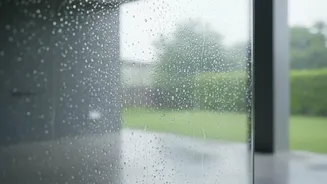
The primary reason for soaring indoor humidity is simple: the air outside is completely saturated with water. During the monsoon, prolonged rainfall releases vast amounts of moisture into the atmosphere. This moisture-laden air then finds its way into our
homes through every opening—windows, doors, ventilators, and even porous materials like brick and concrete. Inside, where the air is often slightly cooler, this warm, wet air can no longer hold all its moisture. According to scientific principles, cooler air has a lower capacity for water vapour. As a result, the excess moisture condenses, leaving a film of dampness on walls, furniture, and floors, creating that all-too-familiar sticky environment.
When Your Home Becomes a Moisture Trap
Modern homes, often designed for energy efficiency with good insulation, can unintentionally worsen the problem. While these features are excellent for keeping heat out during summer, they also prevent humid air from escaping during the monsoon. Without adequate ventilation, this damp air gets trapped and recirculates, creating a persistent cycle of high humidity. Everyday household activities further contribute to the issue. Cooking, showering, mopping floors, and even breathing release significant amounts of moisture into the indoor environment. During drier seasons, this extra moisture dissipates easily. But when the air is already at its saturation point, these activities can push indoor humidity levels from uncomfortable to unhealthy.
The Hidden Dangers of Dampness
Consistently high indoor humidity—typically above 60%—is more than just a comfort issue. It creates the perfect breeding ground for mould, mildew, and dust mites. These common allergens can trigger or aggravate a range of health problems, including allergies, asthma, and other respiratory issues. Beyond the health risks, excess moisture can cause significant damage to your property. It can cause wooden furniture and doors to swell and warp, paint to peel from walls, and can even lead to the corrosion of electronic devices. Over time, this can compromise the structural integrity of your home and lead to musty odours that are incredibly difficult to eliminate.
Strategy 1: Ventilate with Purpose
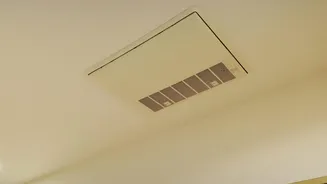
The first line of defence is managing airflow. It’s crucial to push moist air out and, when possible, bring drier air in. Make it a habit to use exhaust fans in your kitchen while cooking and in your bathroom during and after a shower to expel the most concentrated pockets of humidity. Keep an eye on the weather. On days when it isn't raining and the air outside feels less humid, open your windows and doors to create cross-ventilation. This simple act can flush out the stale, damp air trapped inside and dramatically improve your home's atmosphere.
Strategy 2: Actively Dehumidify Your Space
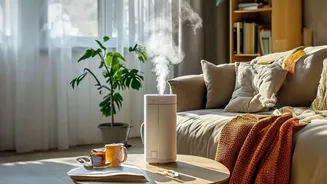
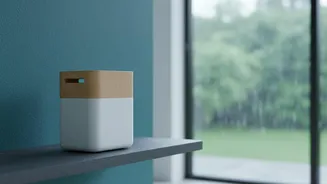
For direct and effective moisture removal, technology is your best friend. A dedicated dehumidifier is designed specifically for this task, pulling moisture from the air and collecting it as water. If you don't have one, your air conditioner is a powerful ally. Running your AC in 'dry mode' or 'dehumidifier mode' accomplishes a similar goal, cooling the air to condense and remove excess moisture without making the room too cold. This is particularly useful in bedrooms overnight, helping you sleep more comfortably.
Strategy 3: Use Natural Moisture Absorbers
You can also combat dampness using inexpensive, natural materials. Rock salt is a fantastic desiccant, meaning it actively absorbs moisture. Place a bowl of rock salt in damp corners, closets, or bathrooms. You will see water collect in the bowl as the salt works its magic. Similarly, activated charcoal briquettes (the kind without lighter fluid additives) are highly porous and excellent at trapping moisture and odours. Place them in a container with holes to allow airflow. Some houseplants, like peace lilies and Boston ferns, also help absorb some moisture through their leaves.
Strategy 4: Adjust Your Daily Habits
Small changes in your routine can make a big difference. Avoid drying clothes indoors whenever possible, as a single load of wet laundry can release a surprising amount of water into the air. If you must dry them inside, do so in a single, well-ventilated room, preferably with a fan running or a dehumidifier on. When cooking, always cover your pots and pans to minimise the steam that escapes. Finally, regularly inspect your home for any leaks in the roof, walls, or under sinks and get them repaired promptly.