



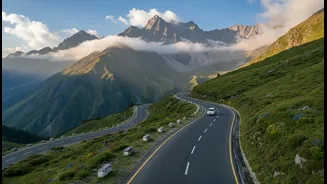


Smarter Routes: Beyond the Main Highway
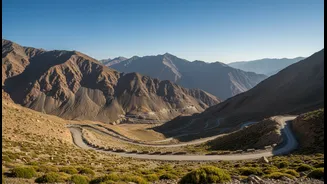
The single biggest point of failure for a hill holiday is often the journey itself. Popular highways to destinations like Manali, Shimla, and Mussoorie are frequently choked with traffic and prone to landslides, especially during peak monsoon months like July
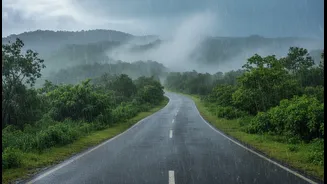
and August. Smart routing isn't about finding a secret, empty road, but about intelligent timing and choices. Start your drive in the early morning (before 7 AM) to avoid the heavy traffic that builds up after noon. Check real-time road status using official police and disaster management social media handles before and during your trip. A crucial tip is to build buffer days into your itinerary. A landslide or a traffic snarl that closes a road for a few hours won't derail your entire vacation if you're not on a tight schedule. Consider destinations reachable by alternate means, like the toy trains to Shimla or Ooty, which can be a scenic and less stressful option, though you should always check their operational status during heavy rains. Finally, if driving, ensure your car is monsoon-ready: check your tyres, wipers, and brakes before you leave.
Smarter Stays: Comfort and Safety First
Your choice of accommodation can make or break a monsoon trip. A leaky room or a hotel cut off by a downpour is a recipe for a miserable holiday. When booking, look beyond just the view. Scrutinise recent reviews for mentions of monsoon-readiness. Do they have power backup? How is the access road during heavy rain? Properties located away from over-developed, unstable slopes and not directly on riverbanks are generally safer bets. This is the season where a well-chosen homestay or a resort with good indoor amenities truly shines. Look for places that offer in-house activities like a library, board games, or even cooking classes. A stay with a cosy common area, a conservatory with a valley view, or even a private jacuzzi can turn a day of relentless rain from a disappointment into a highlight of your trip. Many travellers are now opting for less-crowded alternatives, like Theog instead of Shimla, which offer high-quality stays without the tourist crush and infrastructure strain.
Wet-Weather Planning: Embrace the Rain
The key to enjoying the monsoon in the hills is to prepare for the wet weather, not just tolerate it. This starts with packing correctly. Leave your cotton clothes and jeans at home; they absorb moisture and take ages to dry in the high humidity. Instead, pack quick-dry synthetic T-shirts and trousers. A reliable, waterproof, and breathable rain jacket is non-negotiable. Good footwear is equally critical. Waterproof trekking sandals are often better than heavy boots for casual walks, as they dry faster. Always pack a small, waterproof dry bag or several zip-lock pouches to protect your electronics, wallet, and important documents. Beyond packing, adjust your activity planning. Don't schedule back-to-back outdoor excursions. Plan for shorter, safer nature walks in the morning, and keep afternoons free for indoor relaxation or exploring a local cafe. Many waterfalls and viewpoints are at their spectacular best during this season, but always obey safety barricades and avoid getting too close to overflowing rivers or dams.
The Smartest Move: Choose Your Destination Wisely
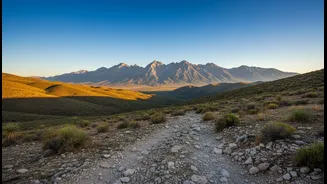
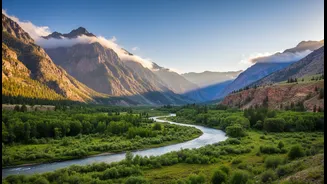
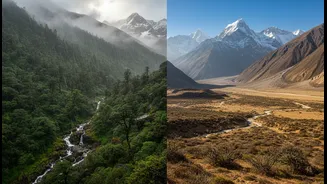
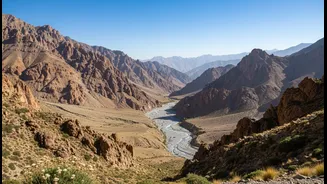
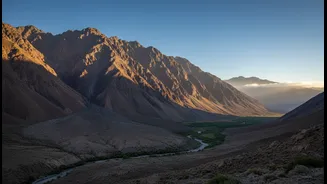
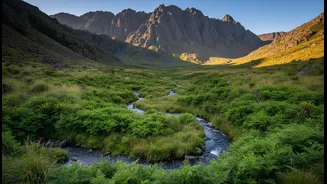
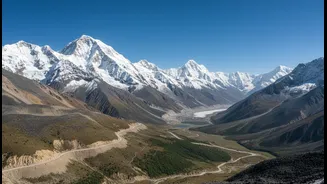
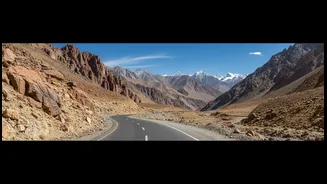
Perhaps the smartest planning move of all is choosing a destination that is inherently better suited for the season. While popular spots in Himachal and Uttarakhand can be risky, many areas in the Western Ghats, like Coorg, Wayanad, and Munnar, come alive beautifully and are generally considered safer, though landslides can still occur on steep slopes. The safest bet of all are rain-shadow regions like Spiti Valley or Ladakh, which receive minimal rainfall and are in their prime tourist season from July to September. If your heart is set on the Himalayas, consider lower-elevation destinations like Kasauli or Palampur, which have better road stability. Alternatively, destinations in the Satpura hills like Pachmarhi offer a lovely monsoon experience with a lower risk profile compared to the high Himalayas. Being flexible and choosing your destination based on current conditions, rather than a long-held plan, is the hallmark of a truly smart and modern traveller.