







Beyond the Beaten Path
For years, a trip to Himachal Pradesh meant navigating packed mall roads, queuing for popular cafes, and jostling for the perfect sunset selfie. While the popular destinations still draw crowds, a growing number of travellers are deliberately looking
elsewhere. They are seeking silence over noise, connection over consumption, and authenticity over curated perfection. This desire has fuelled a quiet movement away from commercial hotels and towards something far more grounded: farm stays run not by large corporations, but by the very communities that call these mountains home. It’s a shift from being a tourist to becoming a temporary part of a village ecosystem, swapping hotel lobbies for rustic courtyards and continental breakfast for siddu fresh off the stove.
What Makes These Stays Different?
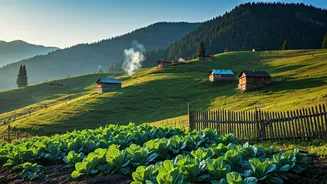
A community-run farm stay is more than just a room for the night. It's a model of sustainable and regenerative tourism. Unlike a standard homestay, where an individual family hosts guests, these initiatives are often managed by a collective—a village cooperative or a self-help group. The core idea is that the economic benefits of tourism are distributed across the community, not concentrated in the hands of a few. Revenue often helps fund local schools, improve infrastructure, or create new opportunities for residents. The 'farm' aspect is literal: you are staying in or near a working agricultural household. The experience is deeply embedded in the rhythms of rural life, from the seasons of planting and harvesting to the daily chores of milking cows or tending to apple orchards.
A Day in the Life
Forget frantic sightseeing itineraries. A day at a remote farm stay unfolds at a different pace. Mornings begin with the crisp mountain air and a cup of chai, often brewed with herbs from the garden. Guests are typically invited, but never forced, to participate in farm activities. This could mean a walk through the fields with your host to learn about local crops, trying your hand at de-weeding, or simply watching the process. Meals are the highlight—simple, seasonal, and bursting with flavour. You’re eating food that was likely harvested just metres away, cooked using generations-old recipes. The real magic, however, happens in the unscripted moments: sharing stories with the family matriarch, playing with village children, or learning the name of a local bird from a seasoned farmer. It’s an immersion that no guided tour can replicate.
Tourism That Empowers
This model of tourism is a powerful engine for social and economic change. By creating livelihoods within the village, it helps curb the migration of young people to cities in search of work. It provides a platform for local women, who are often at the forefront of managing the hospitality, cooking, and cultural experiences, to gain financial independence and a stronger voice in their communities. Organisations like NotOnMap and others have been instrumental in identifying these remote communities, providing training in hospitality standards without erasing their cultural identity, and connecting them to responsible travellers. This ensures that the tourism is sustainable, respects the local way of life, and prevents the over-commercialisation that has plagued other hill stations.
Finding Your Mountain Hideaway
These farm stays are popping up in the less-explored corners of the state. You’ll find them tucked away in the serene valleys of Tirthan and Sainj, the high-altitude landscapes of Lahaul and Spiti, and the quiet pockets of Kangra and Chamba. The key is to manage expectations. This isn't luxury travel. Wi-Fi can be patchy, amenities are basic but clean, and the experience is intentionally slow. The reward is an unparalleled sense of peace and a genuine human connection. It's about trading the predictability of a hotel for the warmth of a home and leaving a place a little better than you found it.