








Defining the Twilight Calm
For years, the 'flex' was about productivity. It was the 5 AM workout, the colour-coded planner, the side hustle that bled into midnight. The story we told ourselves and others was one of constant motion. But a quiet rebellion is brewing, and it’s found
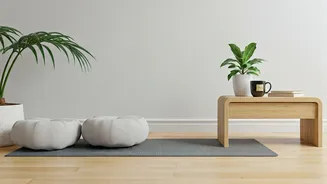
its name: Twilight Calm. This isn't just about getting enough sleep; it's a conscious and deliberate practice of winding down. It’s the intentional transition from the chaos of the day to a state of peace, marked by low-stimulation activities. Think less doomscrolling and more reading a physical book. Think less catching up on work emails and more sipping herbal tea while listening to a record. It is the active reclamation of the evening hours not for more output, but for quiet, mindful input.
Why Now? The Backlash to Burnout
The rise of Twilight Calm isn't happening in a vacuum. It’s a direct response to the pervasive burnout culture that has defined the last decade. The 'rise and grind' philosophy, once aspirational, now feels like a trap. The pandemic, in particular, acted as a great accelerator, dissolving the boundaries between work and home, and leaving millions feeling perpetually 'on'. This has led to a mass re-evaluation of what success and a well-lived life truly mean. People are discovering that the true luxury isn't a fancy watch or a packed social calendar, but the ability to switch off. The flex is no longer about proving how busy you are, but about demonstrating that you have your life under enough control to consciously disengage from the noise.
The Anatomy of the New Flex
So, what does this new status symbol look like in practice? It’s subtly powerful. It’s posting a picture of a half-finished book and a cup of tea, not a laptop screen at 11 PM. It's mentioning that you were unreachable after 7 PM because your phone was in another room. It’s a quiet confidence that doesn't need to shout about its achievements. The components of Twilight Calm are often analogue and deeply personal: journaling, light stretching, listening to a podcast that doesn’t scream for your attention, sketching, or simply having an uninterrupted conversation with a partner or family member. Each of these acts is a small but firm statement: my time is my own, my mind deserves rest, and my worth isn't measured by my productivity.
More Than Just Self-Care
It’s important to distinguish Twilight Calm from the commodified 'self-care' industry, which often encourages you to buy your way to relaxation with bath bombs and expensive skincare. While there’s nothing wrong with these things, Twilight Calm is fundamentally about subtracting, not adding. It's about creating space by removing digital distractions, work pressures, and the endless mental load of planning and optimising. It’s an act of resistance against the attention economy, which profits from our inability to be still. By curating a peaceful end to your day, you’re not just pampering yourself; you’re protecting your most valuable and finite resources: your time and your attention.
Cultivating Your Own Calm
Embracing this lifestyle shift doesn't require a complete life overhaul. It starts with small, intentional choices. Designate a 'no-screen' time, perhaps an hour before bed. Create a small ritual—it could be as simple as changing into comfortable clothes and making a warm drink—that signals to your brain that the day is done. Curate a 'calm' playlist. Re-discover the library. The goal isn't to follow a rigid set of rules, but to find what genuinely allows you to decompress. It's a personal journey towards finding stillness in a world that never stops moving, and learning to value that stillness as the achievement it truly is.