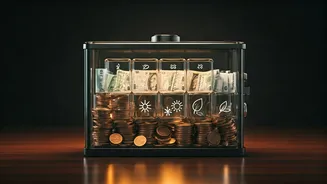









What is an Emergency Fund?
Think of an emergency fund, sometimes called an emergency pool, as your personal financial firefighter. It’s a stash of money set aside specifically to cover unexpected expenses that life throws your way. This isn't an investment portfolio designed to make
you rich, nor is it your regular savings for a vacation or a new phone. Its one and only job is to be there for you during a crisis—like a sudden job loss, an urgent medical procedure for you or a family member, or a critical home repair. It's a liquid cushion that protects your long-term financial goals from being derailed by short-term shocks. Without it, a simple unexpected bill can force you into debt, forcing you to take a high-interest personal loan or borrow from friends and family.
Why It’s Your Financial Foundation
As a first-time earner, you're laying the groundwork for your entire financial future. An emergency fund is the concrete foundation upon which you can build everything else. Why is it so critical? Firstly, it provides peace of mind. Knowing you have a safety net drastically reduces the stress and anxiety associated with financial instability. Secondly, it prevents debt. When your car breaks down or you face a medical bill, you can pay for it with your emergency cash instead of swiping a credit card and accumulating high-interest debt. Thirdly, it gives you options. If you're in a toxic work environment, having a few months of expenses saved up gives you the freedom to quit and find a better job without desperation. It’s the ultimate form of financial independence, empowering you to make life choices based on what’s best for you, not just what’s financially necessary at that moment.
The Magic Number: How Much to Save?
The standard rule of thumb recommended by most financial advisors is to save enough to cover three to six months' worth of essential living expenses. But what counts as 'essential'? This includes the non-negotiables: your monthly rent or housing EMI, utility bills (electricity, water, internet), groceries, transportation costs, and any insurance premiums or existing loan EMIs. It does not include discretionary spending like dining out, shopping, or entertainment subscriptions. To calculate your magic number, track your expenses for a couple of months to get a realistic picture of your core monthly outflow. If your essential expenses amount to ₹30,000 per month, your initial target should be between ₹90,000 and ₹1,80,000. Don't let the large number intimidate you; every journey begins with a single step.
Where Should This Money Be Kept?
The key characteristic of an emergency fund is liquidity—meaning you need to be able to access it quickly and easily without losing value. This means the stock market is not the place for it. Here are the best options in India: 1. **High-Yield Savings Account:** Keep the money separate from your primary salary account to avoid the temptation of spending it. Some banks offer higher interest rates on specific savings accounts. 2. **Liquid Mutual Funds:** These are debt funds that invest in very short-term instruments. They offer higher potential returns than a savings account and are highly liquid. You can typically redeem your money within one business day. 3. **Short-Term Fixed Deposits (FDs):** You can create a 'ladder' of FDs with different maturity dates. While they offer security, be mindful of penalties for premature withdrawal. Some banks now offer specific FDs that can be linked to your savings account and broken without penalty in an emergency. The goal is to balance safety, accessibility, and just enough returns to beat inflation.
How to Start Building Your Fund Today
The idea of saving a large sum can feel overwhelming, but the trick is to start small and be consistent. First, calculate your monthly essential spending and set your 3-month target. Next, figure out a realistic amount you can set aside from each salary. It could be ₹2,000, ₹5,000, or more. The amount isn't as important as the habit. The most effective step you can take is to automate your savings. Set up a standing instruction or an automatic transfer from your salary account to your emergency fund account for the day after you get paid. This 'pay yourself first' approach ensures you prioritize your savings before you have a chance to spend it. As your income grows or you cut down on certain expenses, you can increase the monthly contribution. Remember, progress over perfection is the key.