





The Great Indian 'Bharat Darshan'
The numbers tell a compelling story of a nation rediscovering itself. In 2025, spending on domestic travel in India reached a staggering $203 billion, making up 86% of the entire tourism expenditure in the country. This isn't just a fleeting trend; it reflects
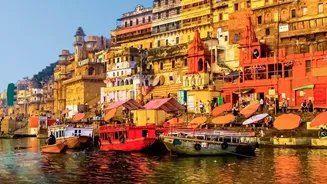
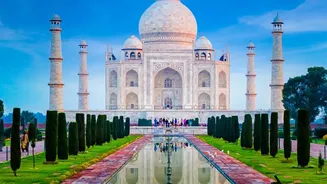
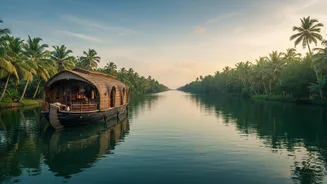
a fundamental shift. Buoyed by a growing middle class, an expanding network of high-quality roads, and a renewed interest in local culture and heritage, Indians are exploring their homeland with unprecedented enthusiasm. Recent data shows that 60% of Indian travellers now prefer holidays within the country. From the mountains of Kashmir, which saw a 312% spike in travel searches earlier this year, to the serene backwaters of Kerala, people are packing their bags and hitting the road. This domestic pivot is a massive opportunity, creating jobs and driving economic activity in places far from the traditional metro hubs.
When Aspiration Meets Infrastructure Friction
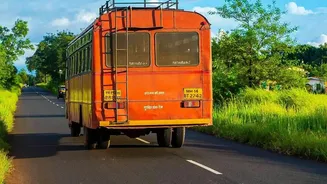
While the desire to travel is at an all-time high, the journey itself can often be the biggest hurdle. The reality for many tourists is that our regional transport infrastructure, despite significant improvements, is struggling to keep pace with this surge in demand. The problem is most acute when travellers venture beyond the major arterial routes. You might have a smooth ride on a new expressway, but the final 50 kilometres to a remote heritage site or a scenic viewpoint can involve navigating poorly maintained roads, congestion, and a lack of reliable public transport. In high-altitude destinations, many roads remain seasonal, cut off by snow in winter or landslides during the monsoon, limiting tourism to just a few months a year. This friction between the dream of a perfect holiday and the on-the-ground reality of getting there is a critical challenge we need to address.
Upgrades in Motion: Roads, Rails, and Runways
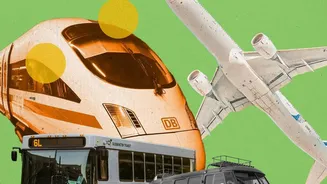
To be clear, India has made monumental strides in upgrading its transport networks. The Bharatmala Pariyojana is transforming road travel, with over 22,700 km of new highways completed under Phase 1 as of mid-2026, directly contributing to the rise of the 'drivecation'. In rail, the Vande Bharat Express has become a symbol of modern, comfortable, and fast travel, witnessing a 34% jump in ridership in the last fiscal year alone and successfully connecting major tourist and heritage cities. The new sleeper versions are already showing overwhelming demand. In the skies, the UDAN scheme has been instrumental in connecting dozens of smaller, previously unserved or underserved airports, boosting tourism in places like Shirdi and promoting regional economic development. These initiatives form the backbone of a new era in Indian travel.
The Path Forward: A Blueprint for Integrated Journeys
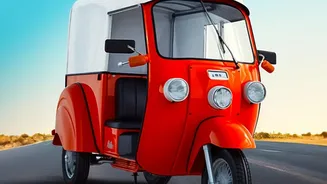
The success of these large-scale projects brings a new question into focus: how do we connect the dots? The next phase of development should not just be about building more, but about building smarter. We need a holistic review of regional transport that focuses on creating seamless, integrated tourist circuits. This means ensuring that a traveller arriving at a Vande Bharat station or a UDAN airport can find easy, reliable, and affordable last-mile connectivity to their final destination. It means investing in all-weather road access to popular but remote tourist spots. It involves planning for parking, developing public transport within tourist towns to reduce congestion, and ensuring that transport development is sustainable. The goal should be an integrated system where a person can plan a multi-day trip using a combination of planes, trains, and buses with ease and confidence.