





Understanding Karat: The Purity Scale
Before comparing, it's essential to understand what 'karat' (K) means. Karat is the unit used to measure the purity of gold. The scale runs from 0 to 24. Therefore, 24K gold is the purest form you can buy, containing 99.9% pure gold. It is soft, malleable,
and has a distinct, bright yellow colour. On the other hand, 22K gold consists of 22 parts pure gold and 2 parts other metals like copper, silver, or zinc. This means it has a purity of 91.67% and is often referred to as '916 gold'. These added metals are not impurities but alloys intentionally blended to alter the gold's properties.
For Jewellery: Durability and Design
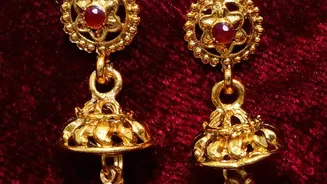
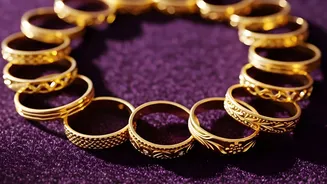
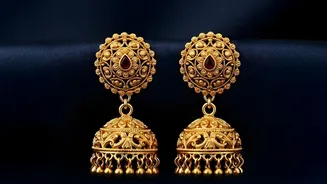
When it comes to crafting jewellery meant for regular wear, 22K gold is the undisputed winner in India. The primary reason is durability. Pure 24K gold is extremely soft and prone to scratching, bending, and deforming with daily use. This makes it impractical for creating sturdy ornaments, especially intricate designs. The alloys mixed into 22K gold make the metal significantly harder and more resilient, ensuring that your bangles, rings, and necklaces can withstand the rigours of everyday life without losing their shape. While some very simple or ceremonial pieces can be made in 24K, the vast majority of traditional and modern Indian jewellery is crafted from 22K gold for this perfect balance of high purity and necessary strength.
For Investment: Purity is Paramount
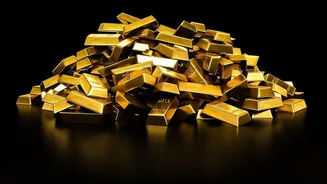
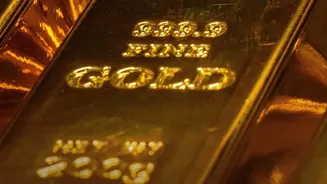
If your primary goal is not adornment but pure financial investment, 24K gold is the superior choice. Investors prefer 24K gold because its value is directly tied to the market price of pure gold, with no deductions for other metals. It is most commonly available in the form of bars and coins, which are easy to trade, store, and value. When you invest in 24K gold, you are buying the commodity in its most unadulterated form. This ensures maximum value and liquidity in global markets, where purity is the universal standard. While 22K gold is also a valuable asset, its price is slightly lower per gram due to its 91.67% purity, making 24K the benchmark for wealth preservation.
Cost, Making Charges, and Resale Value
Naturally, 24K gold is more expensive per gram than 22K gold because it contains more pure gold. However, the final price of an item involves more than just the gold rate. For jewellery, 'making charges' can be a significant addition. These charges cover the cost of craftsmanship and are often higher for intricate 22K designs. When it comes to resale, both types hold value well. However, with 24K bars and coins, you typically get a price very close to the market rate as there are minimal to no making charges to lose. When selling 22K jewellery, you usually don't recover the making charges, and the value is calculated based on the weight and purity of the gold itself.
The BIS Hallmark: Your Guarantee of Purity
Regardless of whether you choose 22K or 24K, ensuring its authenticity is crucial. In India, the Bureau of Indian Standards (BIS) provides a hallmarking system that certifies the purity of gold. Since June 2021, hallmarking is mandatory for 14K, 18K, and 22K gold jewellery. A BIS hallmark consists of the BIS logo, the purity grade (e.g., '22K916'), and a unique six-digit alphanumeric code called the HUID (Hallmark Unique Identification). This code allows you to verify the item's details on the BIS CARE app, providing a powerful layer of consumer protection. Always insist on a hallmarked product to be sure you're getting the purity you paid for.