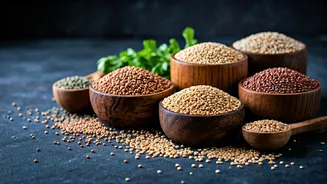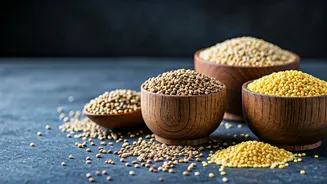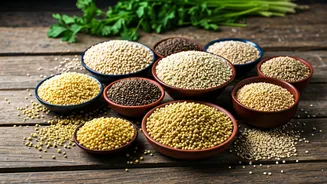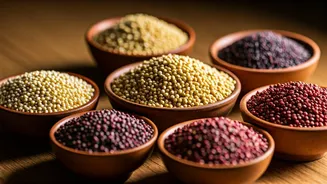



The Great Millet Revival
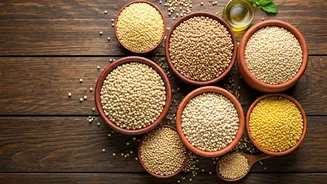
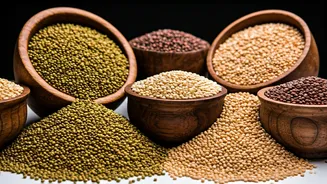
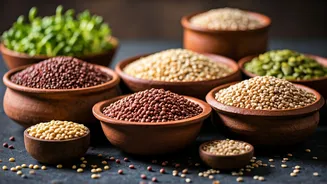
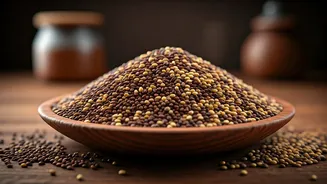
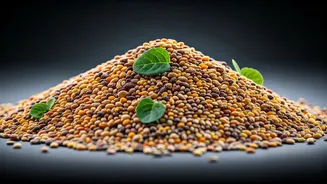
Not long ago, millets like jowar, bajra, and ragi were staples in Indian households before rice and wheat took center stage. Their consumption declined significantly over the decades. However, a powerful shift is underway. Spurred by a growing focus on health,
sustainability, and initiatives like the International Year of Millets, these grains are moving from rural traditions to mainstream superfoods. This revival is driven by a simple truth: millets offer a powerhouse of nutrition that modern lifestyles desperately need. They are also a climate-resilient crop, requiring less water than rice and wheat, making them an environmentally smart choice for farmers and consumers alike.
A Nutritional Powerhouse
So, why exactly are nutritionists and health enthusiasts championing millets? The benefits are impressive. Millets are naturally gluten-free, making them an excellent choice for those with celiac disease or gluten sensitivity. They are packed with dietary fibre, which aids digestion, helps you feel full for longer, and can prevent issues like bloating. This high fibre content, combined with a low glycemic index, means millets release sugar into the bloodstream slowly, which is crucial for managing blood sugar levels and is beneficial for diabetics. Furthermore, they are rich in essential minerals like iron, magnesium, calcium, and potassium, as well as B-vitamins, which support everything from heart health to immunity.
A User's Guide to Popular Millets
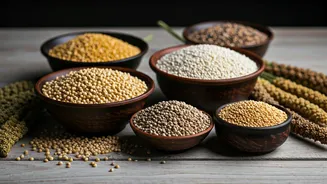
Ready to get started? Here are a few popular millets and how you can use them: * **Ragi (Finger Millet):** Known for its high calcium content, ragi is fantastic for bone health. Its earthy flavour works beautifully in rotis, dosas, porridges, and even healthy desserts like Ragi Malpua or ladoos. * **Jowar (Sorghum):** A versatile, gluten-free flour, jowar can be used to make soft rotis and thalipeeth. You can also use it in upma for a hearty breakfast. * **Bajra (Pearl Millet):** Packed with iron, bajra is great for the winter months. Bajra rotis are a classic, and its khichdi is a comforting, one-pot meal. * **Foxtail Millet (Kangni):** This millet is a great substitute for rice. Its light, fluffy texture when cooked makes it perfect for pulao, lemon rice, and upma.
Simple Swaps for a Healthier You
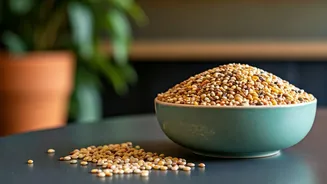
Incorporating millets into your diet doesn’t require a complete overhaul of your kitchen. The easiest way to begin is with simple swaps. Try replacing white rice with cooked foxtail or barnyard millet in your next meal; you can prepare it just like rice. Instead of using only wheat flour for your rotis, try a blend with jowar or bajra flour. Leftover cooked millet can be turned into a quick stir-fry with vegetables for a light lunch or used in a breakfast bowl instead of oats. Even snacks can get a healthy upgrade, with many brands now offering millet-based cookies, noodles, and ready-to-eat snacks. The goal is to start small and find the swaps that you enjoy the most.
Beyond the Roti: Modern Millet Magic
While traditional recipes are fantastic, the culinary world is now embracing millets in modern and innovative ways. Think beyond the basics to discover a whole new world of textures and flavours. You can find recipes for creamy millet risottos, colourful millet salads packed with fresh vegetables and herbs, and wholesome grain bowls perfect for a quick and satisfying lunch. In baking, millet flours are being used to create delicious and healthy cakes, muffins, and cookies. From millet pancakes for breakfast to millet-based kheer for dessert, the versatility of these grains means you can enjoy their benefits at every meal of the day, proving that healthy eating can also be incredibly delicious and exciting.