




The Monsoon's Final Act
While the peak monsoon months of July and August get the most attention, the rainfall in September is a determining factor for the success of the upcoming Rabi harvest. This period, known as the late monsoon, acts as a final recharge for the entire agricultural
ecosystem before the dry winter months set in. The India Meteorological Department (IMD) has indicated that the monsoon withdrawal for 2026 is set to begin around September 19, slightly later than the normal date of September 17. This concluding phase of the monsoon is essential for ensuring there is enough residual moisture in the soil, a key prerequisite for the timely sowing of major winter crops like wheat, mustard, and chickpeas, which typically begins in October.
Replenishing Soil and Reservoirs
The primary benefit of September rain is its direct impact on soil moisture and reservoir levels. After a season of uneven rainfall, where the all-India monsoon deficit stood at 15% as of mid-September, these late showers are crucial. They replenish the topsoil, creating ideal conditions for germination without the immediate need for irrigation. This is particularly important for rainfed agricultural zones that are highly dependent on natural precipitation. Furthermore, this rain helps top up the country's reservoirs, which are a lifeline for irrigation during the Rabi season. As of September 17, 2026, water storage in India's key reservoirs was at 71% of total capacity, which is nearly 21% lower than the previous year and 9% below the ten-year average, making every drop of late-season rain significant.
A Tale of Two Outcomes
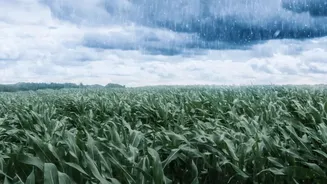
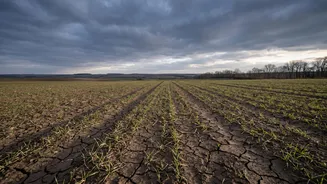
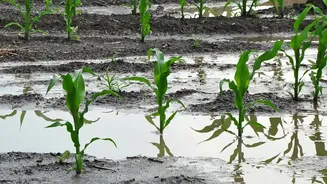
However, September rain is a double-edged sword. A well-distributed, moderate rainfall is a boon, but a sudden, heavy downpour can be destructive. Excessive rain can lead to waterlogged fields, delaying Rabi sowing and potentially damaging the standing Kharif (summer) crops that are ready for harvest, such as paddy, soybean, and cotton. This could lead to lower yields and financial losses for farmers. Conversely, a significant deficit in September rain, especially following an already weak monsoon, can spell trouble. It would force farmers to rely more heavily on irrigation, increasing input costs and straining water resources in regions where reservoir levels are already alarmingly low, such as in southern and northern India.
Impact on Key Rabi Crops
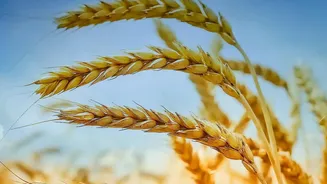
Different crops have different reactions to the September climate. For wheat, India's main winter staple, adequate soil moisture from late rains is essential for healthy germination and early growth. Similarly, mustard and gram (chickpea), two other pillars of the Rabi season, thrive when sown in fields that have been pre-moistened by the departing monsoon. A dry September often means delayed sowing, which can expose the crops to temperature fluctuations later in their growth cycle, potentially reducing the final yield. With the 2026 monsoon being influenced by a strengthening El Niño, which typically suppresses rainfall, the performance of these final showers is being watched with heightened concern by agricultural experts.
An Uneven National Picture
The impact of September rain is never uniform across the country. The 2026 monsoon has seen significant regional variations. While recent rains have pushed reservoir levels to above-normal in western and central India, the northern and southern regions continue to face sharp deficits. This means states in the south may face significant challenges with water availability for their Rabi crops, while some central states might be in a more comfortable position. This regional disparity highlights the complex and localised nature of India's agricultural fortunes, where one state's bounty can coincide with another's struggle, influencing everything from local food prices to national economic trends.