

Understanding Post-Monsoon Hazards
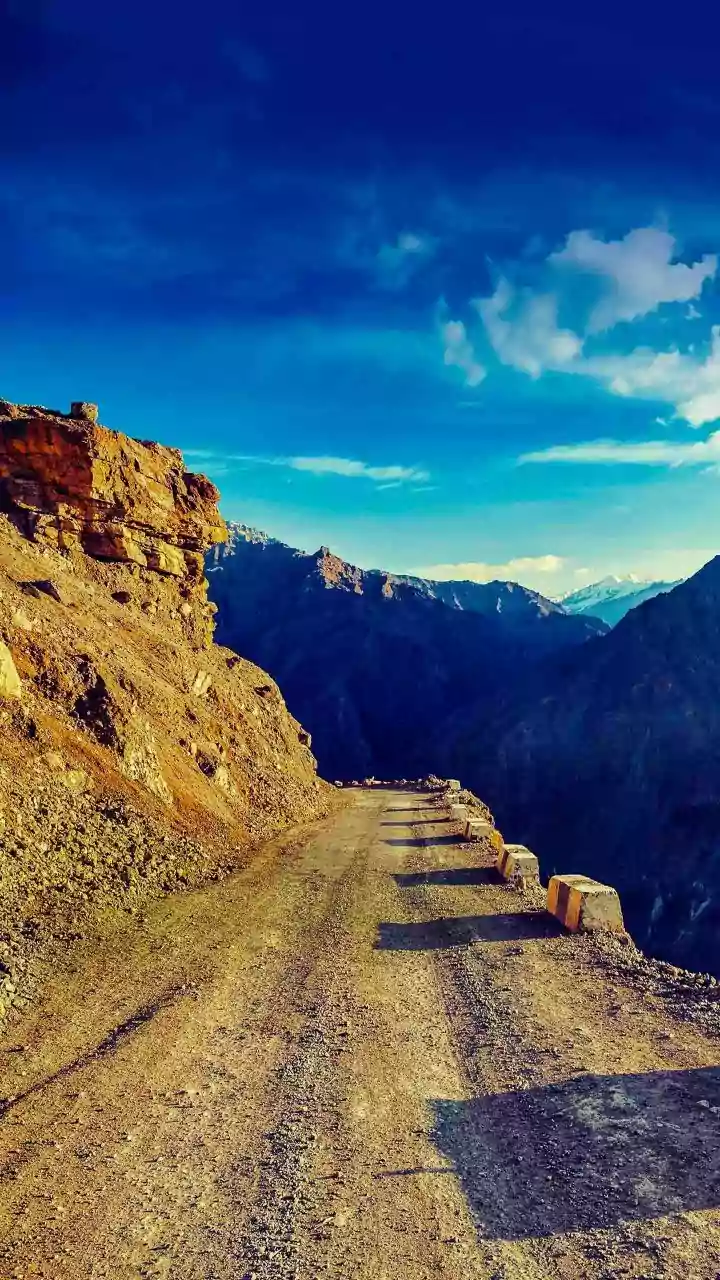
The allure of a post-monsoon road trip is undeniable, but the preceding months of heavy rain leave a lasting impact on mountain roads. The primary danger comes from soil saturation, which dramatically increases the risk of landslides and rockfalls, even
on sunny days. Roads that were intact before the rains may now be riddled with deep, water-filled potholes, covered in slush, or entirely washed away in sections. Drivers must anticipate compromised tarmac, loose gravel on corners, and unexpected blockages. The transition from monsoon to autumn also brings sharp temperature drops, especially at higher altitudes, introducing the possibility of black ice in shaded areas during early mornings and evenings. This combination of damaged infrastructure and unpredictable conditions demands a higher level of alertness and preparation than a standard hill drive.
Your Pre-Trip Vehicle Health Check
Before you even think of hitting the incline, a thorough vehicle inspection is non-negotiable. Start with the most critical components for hill driving. Your brakes are paramount; descents put immense strain on them, and wet conditions increase stopping distances. Check your brake pads for wear and ensure the brake fluid is at the correct level. Tyres are your only contact with the slippery, unpredictable surface. Ensure they have adequate tread depth (a minimum of 3mm is recommended for wet roads) and are inflated to the manufacturer's specification, including the spare. Next, check all your lights. Post-monsoon weather can bring sudden fog and reduced visibility, so ensure your headlights, taillights, indicators, and especially fog lamps are working perfectly. Finally, inspect your battery terminals for corrosion and have the battery's health checked if it's over three years old, as the damp and cold can cause older batteries to fail unexpectedly.
Mastering the Art of Hill Driving
Driving technique must adapt to the terrain. The golden rule of the hills is to use engine braking, not just your brake pedal, especially on descents. Driving downhill in the same low gear you would use to go uphill prevents your brakes from overheating and failing. When ascending, maintain a steady momentum and avoid unnecessary gear changes. On narrow roads and blind curves, always honk to announce your presence. A crucial piece of road etiquette and safety is that traffic going uphill always has the right of way. If you meet an oncoming vehicle on a narrow stretch, it is the responsibility of the vehicle going downhill to stop and find a safe spot to let the other pass. Avoid sudden acceleration or braking, as this can easily lead to a skid on loose gravel or a slippery patch.
Pack a Smarter Emergency Kit
Your standard first-aid kit is a good start, but post-monsoon hill travel requires more. Given the higher risk of getting stranded due to a landslide or road closure, your kit should focus on self-sufficiency. Pack high-energy, non-perishable snacks and extra drinking water. Essential recovery gear includes a tow rope, jump cables, and a basic toolkit. A portable tyre inflator and a puncture repair kit can be lifesavers. Because weather can turn cold without warning, include warm clothing like a fleece jacket, gloves, and a cap, even if the forecast seems mild. A powerful torch, a fully charged power bank, and an umbrella or raincoat are also essential. It's also wise to have some cash on hand, as digital payments may not work in remote areas with poor connectivity.