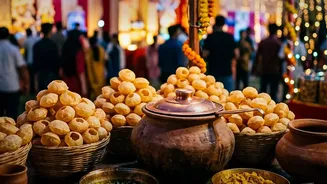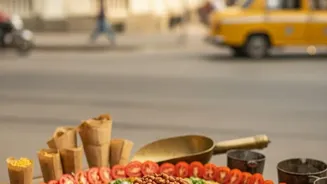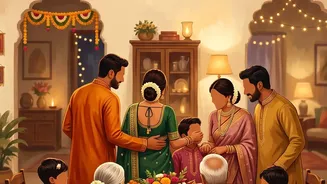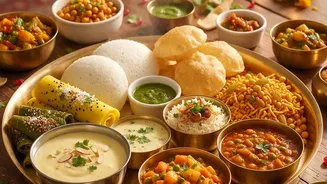


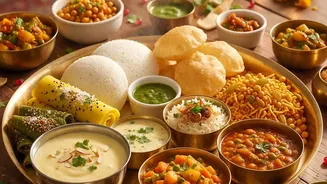
The aroma of freshly made sweets, the sizzle of snacks, and a table groaning with food are hallmarks of Indian festivals. But a quiet evolution is taking place in kitchens, with many families now choosing a 'hybrid' approach to the festive feast.
The Modern Time Crunch
The traditional
model of festive cooking often assumed that one person, typically a woman, had an entire day to dedicate to the kitchen. In contemporary India, this is increasingly a luxury few can afford. With the rise of dual-income households, demanding work schedules, and the blurring lines of work-from-home life, spending an entire day preparing an elaborate spread is no longer feasible for many. The sheer labour involved in creating a multi-course festive meal, from sourcing ingredients to the final preparation, clashes with the reality of modern life. This time-poverty is a primary driver for families to seek smarter, more sustainable ways to celebrate without succumbing to exhaustion.
Convenience Without Compromise
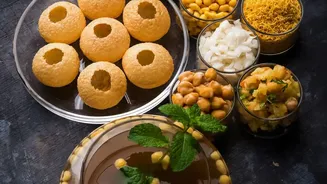
The rise of high-quality food delivery apps, cloud kitchens, and specialised caterers has been a game-changer. It's now possible to order specific festive delicacies, from regional specialities to gourmet sweets, that rival the quality of home cooking. Platforms allow for incredible customisation, letting households order a few complex dishes while still preparing their signature family recipes at home. This 'hybrid' model allows families to enjoy a diverse and abundant table without the stress. For many, it's about delegating the effort, not the sentiment. They can focus on making the one or two dishes that truly define the festival for their family, while outsourcing the rest.
An Appetite for Novelty and Variety
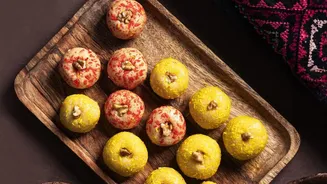
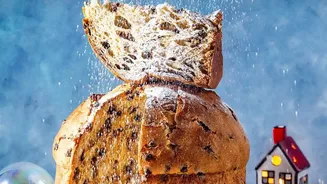
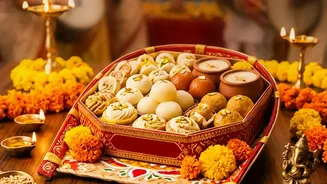
While tradition is cherished, there's also a growing desire for novelty. Modern festive menus often feature a blend of classic recipes and contemporary, even global, flavours. Hosts want to offer their guests a unique culinary experience that goes beyond the expected. This could mean pairing traditional curries with artisanal bread, or supplementing homemade mithai with gourmet desserts like pistachio kunafa or petite, truffle-sized sweets. This trend is also driven by exposure to global food cultures and a desire to experiment. A hybrid menu makes this possible, allowing for a creative mix of old and new without requiring the host to master dozens of different cuisines.
Changing Family Structures
The shift from large, joint families to smaller, nuclear households has had a significant impact on culinary traditions. In larger families, tasks were often shared, and recipes and techniques were passed down through generations. In a nuclear family, the entire responsibility for festive cooking can fall on one or two people. Furthermore, as family members move to different cities for work and education, the ecosystem of shared culinary knowledge can be lost. Ordering a portion of the festive meal can help bridge this gap, ensuring that the celebration still feels abundant and special, even with fewer hands in the kitchen.
Redefining the Spirit of Celebration
Ultimately, this shift is about redefining what it means to be a host and what makes a festival special. The focus is moving from the labour of cooking to the joy of togetherness. Families are realising that the spirit of a festival is not diminished if some of the food is bought. In fact, by reducing the stress and exhaustion associated with all-day cooking, hosts have more energy to connect with their loved ones and participate in the rituals and festivities. The goal is no longer just to present a perfect, entirely homemade meal, but to create a warm, joyous, and memorable experience for everyone involved.