



The National Picture: A Ticking Clock
Across India, the situation is concerning. According to the Central Water Commission (CWC), water storage in 178 major reservoirs stood at just 70% of total capacity as of late September 2026. This is significantly below both the 10-year average and the levels
recorded in 2025. The primary cause has been a deficient southwest monsoon, which accounts for over 70% of India's annual rainfall. The southern region, including states like Karnataka and Tamil Nadu, is facing the most acute shortage, with reservoirs at only 50% capacity. This deficit threatens everything from drinking water availability to irrigation for rabi crops and hydropower generation.
In the Bathroom: The Biggest Savings
The bathroom is where most household water is consumed, but it's also where the biggest savings can be made. The single most effective change is choosing a bucket bath over a shower. A shower can use a large amount of water, whereas a bucket limits your consumption. If you must shower, keep it short. Another simple habit is turning off the tap while brushing your teeth, shaving, or lathering your hands. A running tap can waste several litres of water per minute. Finally, check your toilet for leaks. A simple way to do this is to put a few drops of food colouring in the cistern; if the colour appears in the bowl without flushing, you have a leak that needs immediate fixing. A leaking toilet can waste a tremendous amount of water over time.
In the Kitchen: Smart and Simple Habits
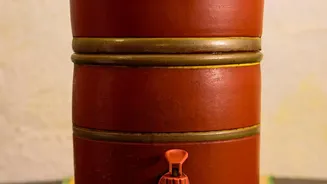
Your kitchen is another key area for water conservation. Instead of letting the tap run to wash vegetables, use a bowl of water instead; this collected water can then be reused for watering plants. Similarly, when washing dishes by hand, soak pots and pans first rather than trying to scrape them clean under running water. If you have a dishwasher, make sure to run it only with a full load to maximize efficiency. One of the most significant sources of water wastage in Indian homes comes from RO water purifiers, which can discard two to three litres of water for every litre purified. Collect this 'reject' water in a bucket and use it for mopping floors, cleaning, or flushing toilets.
Laundry and Cleaning: Less is More
When it comes to laundry, the golden rule is to only run your washing machine with a full load. Washing a few items at a time uses a disproportionate amount of water. Many modern machines also have 'eco' or water-saving settings that can significantly reduce consumption. The water from the final rinse cycle, which is often only lightly soapy, can be collected and used for mopping floors or cleaning bathrooms. When cleaning driveways, balconies, or sidewalks, opt for a broom instead of a hose. Using a hose to clear away dust and leaves is a massive waste of precious potable water that could be better used elsewhere.
Fix Leaks and Think Ahead
A small drip may seem harmless, but it can waste thousands of litres of water per year. Regularly check all taps, pipes, and cisterns in your home for leaks and get them repaired immediately. You can check for hidden leaks by reading your water meter before and after a period of no water use; if the reading changes, you likely have a leak somewhere. Installing water-saving aerators on taps is another inexpensive but highly effective measure. These devices reduce the flow of water without compromising pressure, cutting consumption for tasks like hand washing. Small, consistent efforts to find and fix water wastage points can lead to substantial savings for your household and the community.