



A Shift from Solo Mission to a Galaxy of Players
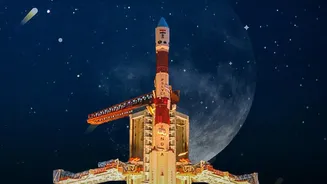
For decades, India's space ambitions were almost exclusively driven by the Indian Space Research Organisation (ISRO). It was a government-led endeavour focused on national development and scientific exploration, building an impressive legacy of self-reliance.
However, the landscape has dramatically transformed since 2020 with policy reforms designed to open the sector to private enterprise. The establishment of IN-SPACe (Indian National Space Promotion and Authorisation Centre) was a pivotal move, creating a single window for private companies to access ISRO's facilities and technologies. This strategic shift, described as 'state-enabled commercialization,' allows ISRO to concentrate on pioneering research and deep space missions, while private firms take on the manufacturing of rockets and satellites, launch services, and developing new applications. This has led to an explosion of over 400 space-tech startups, a massive leap from just a handful a few years ago.
Why Engineering Alone Is No Longer Enough
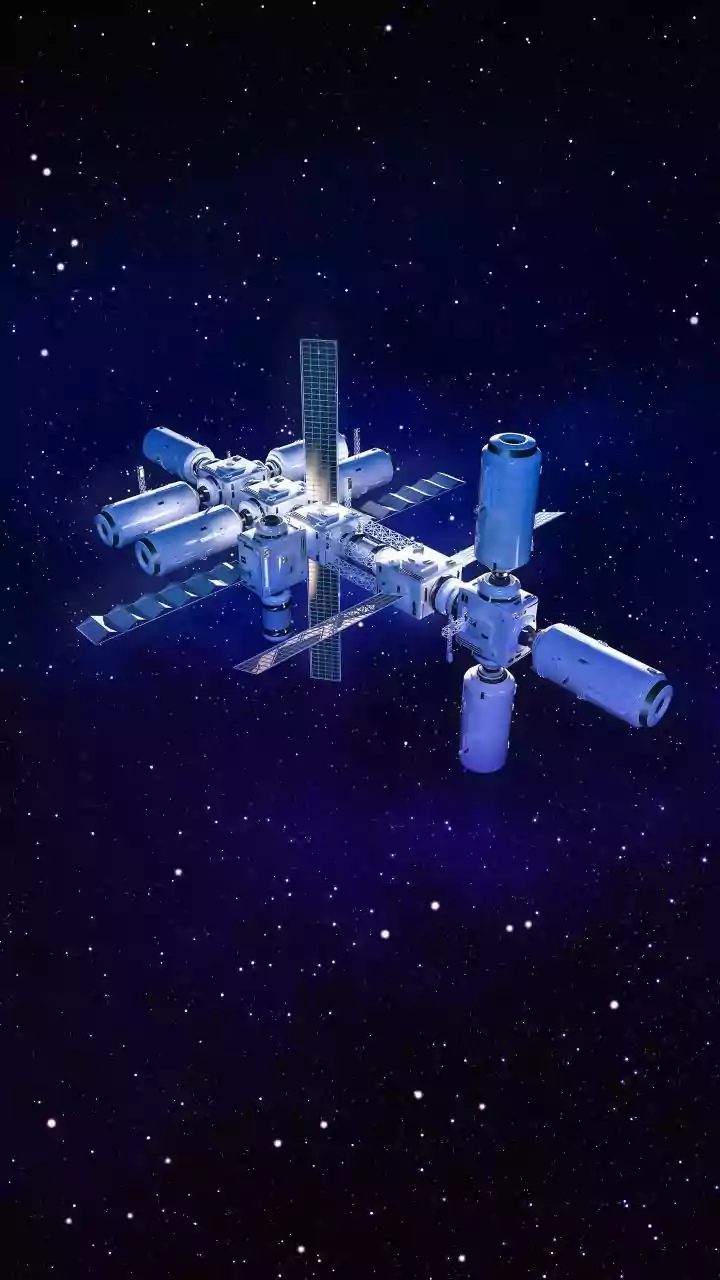
As India's space economy grows—projected to expand from around $8.4 billion to over $40 billion by the early 2030s—the nature of work within it is evolving. The new ecosystem is not just about building and launching rockets; it's about creating sustainable business models, managing complex international regulations, and leveraging space-based data for countless terrestrial applications. Industry leaders have pointed out that in this new commercial era, single-discipline expertise is becoming insufficient. A successful space mission or a profitable satellite data company requires a seamless integration of technology, business strategy, legal compliance, and data analytics. This commercial focus means that companies need people who can think beyond their core technical training and understand the entire value chain, from securing funding and marketing services to analysing the vast troves of data sent back to Earth.
The New Constellation of In-Demand Roles
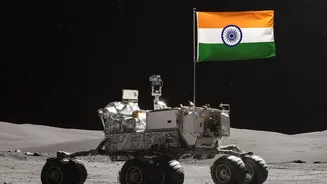
The demand for interdisciplinary skills is creating exciting and previously niche career opportunities. Someone with a background in data science can analyse satellite imagery to provide insights for agriculture, urban planning, or disaster management. A lawyer specializing in space policy is essential for navigating the complex web of international treaties and domestic regulations governing satellite launches and orbital debris. With India's own human spaceflight programme, Gaganyaan, on the horizon, the field of space medicine will become crucial for astronaut health and safety. Furthermore, the startups driving this boom need more than just engineers. They require marketing professionals to build a global brand, finance experts to manage venture capital, and supply chain managers to source highly specialised components. Even fields like robotics and artificial intelligence are critical, not just for planetary rovers, but for automating satellite operations and analysing mission data.
Preparing for Launch: Charting Your Career Path
For students and professionals aspiring to join this burgeoning industry, the message is clear: broaden your skill set. While a strong foundation in a core STEM field like physics, computer science, or engineering remains invaluable, supplementing it with other domains can provide a significant competitive edge. Educational experts note that the traditional, siloed approach of university education is struggling to keep up with the industry's real-world needs. Aspiring professionals should actively seek opportunities to work on cross-functional projects, learn the basics of data analytics or business management, and stay informed about space policy. The future of India's space sector belongs to those who can connect the dots between technology, commerce, and practical application. It’s about building a 'T-shaped' profile: deep expertise in one area, complemented by a broad understanding of others.