




Why Monsoon Is the Perfect Start
While many associate the monsoon with cosy indoor days, it's a season of vibrant growth for nature. The increased humidity, cooler temperatures, and abundant rainwater create ideal conditions for many plants, especially herbs. For urban dwellers with limited
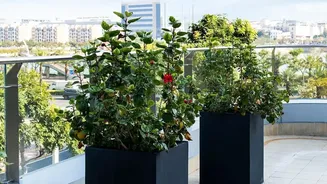
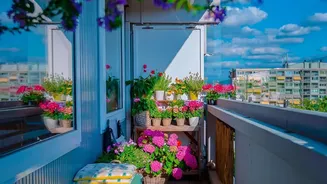
space, this period is a golden opportunity. The natural watering reduces your workload, and the atmosphere helps roots establish themselves more strongly. Many herbs grow exceptionally well in small containers, making them perfect for a city flat's balcony, windowsill, or a small veranda. With a little planning to manage the excesses of the season, your balcony can transform into a fragrant, green, and edible oasis. It's a simple, rewarding way to connect with nature and your food.
Your Monsoon Herb Starter Pack
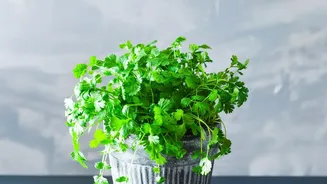
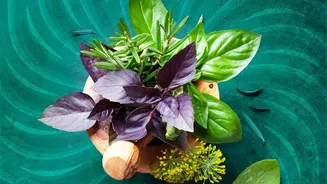
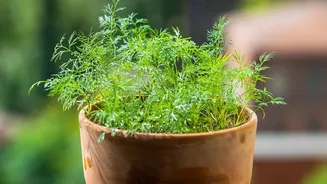
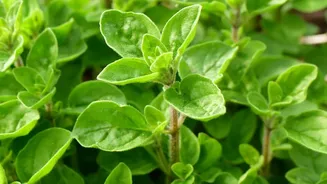
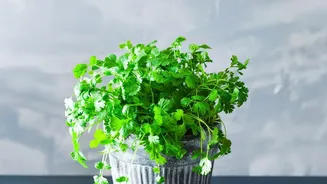
Choosing the right herbs is the first step to success. During the monsoon, you want plants that love moisture but are resilient. Tulsi, or holy basil, is a must-have in Indian homes, known for its immunity-boosting properties that are especially useful during the damp months. Mint, or pudina, is another fantastic choice; it grows quickly, thrives in containers, and is perfect for everything from teas to chutneys. Coriander (dhania) is a fast-growing kitchen staple that doesn’t demand much attention. Lemongrass, with its refreshing citrusy scent, also does wonderfully in pots and can help keep some pests at bay. For those who enjoy Italian flavours, basil is an excellent option that loves the warm, wet conditions of the rainy season. These herbs are not only easy for beginners but also provide quick, visible results within weeks, keeping you motivated.
Setting Up for Success
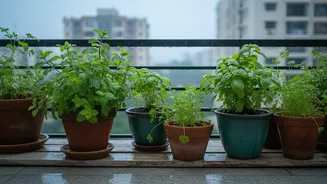
The single biggest challenge during the monsoon is waterlogging. Too much water trapped in a pot can suffocate the roots and lead to rot. Therefore, proper drainage is non-negotiable. Choose pots with plenty of drainage holes. Terracotta pots are a great choice as they are porous, allowing air to circulate and moisture to evaporate. It’s also wise to elevate your pots using pot feet or simple bricks to ensure water can escape freely and doesn't pool underneath. When it comes to soil, avoid using dense garden mud. Instead, opt for a light, well-draining potting mix. A combination of garden soil, compost, and cocopeat is ideal as it retains enough moisture without becoming waterlogged. This setup creates a healthy environment for roots to breathe and thrive, even with daily showers.
Monsoon Care Essentials
It might sound counterintuitive, but you need to be mindful of watering during the monsoon. While the plants get plenty of rain, a covered balcony might block showers, and you should only water when the top inch of the soil feels dry. The high humidity encourages fungal growth, so good air circulation is key. Don't crowd your pots together. Pruning excess leaves, especially those near the base, can also improve airflow and keep your plants healthy. You can use a natural spray like neem oil as a preventive measure against common pests and fungi. Finally, while the sky might be overcast, herbs still need light. Place your pots in a spot that receives a few hours of indirect or gentle morning sunlight for the best results.
From Plant to Plate
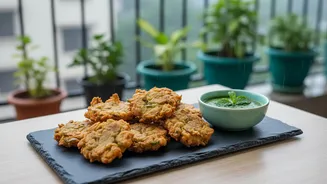
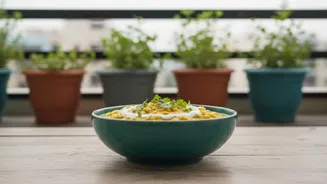
The ultimate reward of your gardening efforts is harvesting your own fresh herbs. Growing your own means you have access to flavourful, pesticide-free ingredients right at your doorstep. Imagine snipping fresh tulsi leaves for your morning chai, tossing freshly chopped coriander into your dal, or muddling mint for a refreshing drink. Regular harvesting also encourages the plants to produce more leaves, giving you a continuous supply. This small act not only saves money on grocery bills but also significantly elevates the taste and aroma of your home-cooked meals. It’s a simple pleasure that can involve the whole family, teaching children where their food comes from and bringing a slice of the garden into the heart of the city.