




Decoding Gold Purity: The Karat System
The first step in buying gold is understanding 'karat' (K), which measures its purity. Pure gold is 24K, meaning it contains 99.9% gold. However, this form is very soft and malleable, making it unsuitable for intricate jewellery that needs to withstand
daily wear. To enhance durability, pure gold is mixed with other metals like copper, silver, or zinc. This results in alloys like 22K gold, which contains 91.6% pure gold (22 parts gold, 2 parts alloy), and 18K gold, which has 75% pure gold. The higher the karat, the purer and more expensive the gold, but also the softer it is.
Jewellery: The Blend of Purity and Durability
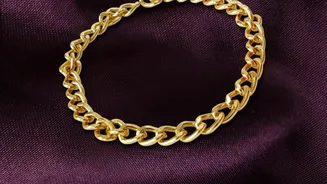
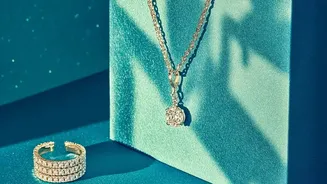
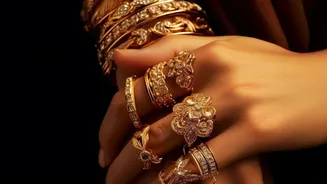
For traditional Indian jewellery like bangles, necklaces, and earrings, 22K gold is the most common choice. Its composition strikes an ideal balance, offering the rich yellow hue of high-purity gold while being strong enough for craftsmanship and regular use. For pieces studded with diamonds or other gemstones, 18K gold is often preferred because its higher alloy content provides a more secure setting for the stones and increased durability. While jewellery serves as a store of value, its primary purpose is adornment and cultural significance, especially during weddings and festivals.
Investment: The Case for 24K Purity
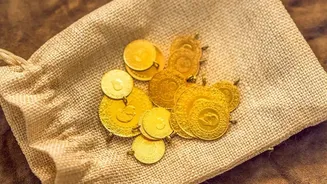
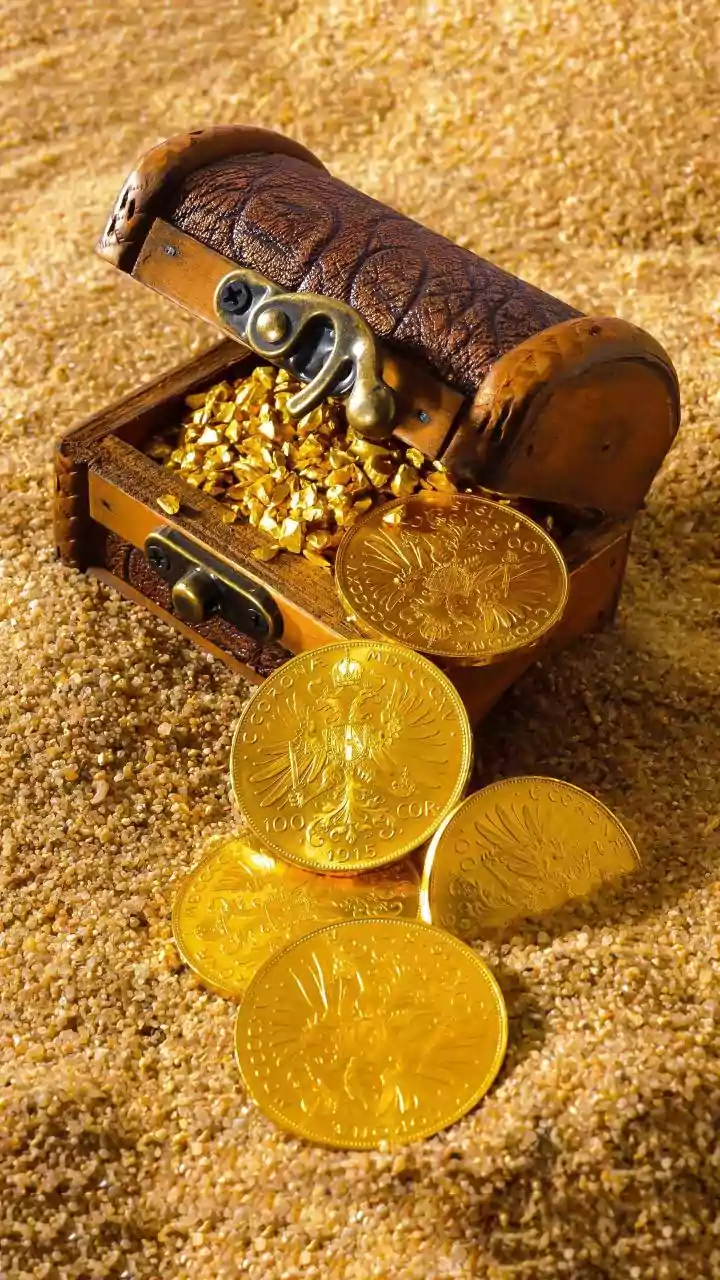
When your primary goal is financial investment, 24K gold is the undisputed champion. This is the form you'll find in gold coins and bars, which are purchased almost exclusively for their intrinsic value. Because you are paying for the metal itself, not the design, the highest purity ensures you get the maximum amount of gold for your money. Investment-grade gold is valued purely on its weight and purity, making it a straightforward asset for wealth preservation and growth.
The Hidden Cost: Making Charges and Wastage
This is where the financial difference between jewellery and investment gold becomes stark. Jewellers levy 'making charges' to cover the cost of craftsmanship and design. For intricate jewellery, these charges can range from 8% to over 25% of the gold's value. In contrast, the premium or making charge on a 24K gold coin or bar is significantly lower, often between 3% and 5%. Crucially, making charges are almost never recovered when you sell or exchange the item. This means a significant portion of the initial price of jewellery is lost at resale, directly impacting its performance as an investment.
The Seal of Trust: Why BIS Hallmarking is Crucial
Regardless of whether you buy jewellery or a coin, ensuring its purity is paramount. In India, the Bureau of Indian Standards (BIS) provides this assurance through hallmarking. Since 2021, mandatory hallmarking includes a 6-digit alphanumeric Hallmark Unique Identification (HUID) code. This code is unique to each piece and allows you to verify its authenticity, purity, the jeweller's details, and the hallmarking centre using the BIS CARE app. A complete hallmark consists of three marks: the BIS logo, the purity grade (e.g., 22K916), and the HUID code. Always insist on a hallmarked product to protect yourself from adulteration.
Resale Value: The Ultimate Litmus Test
When it's time to liquidate your asset, the difference in returns is clear. Gold bars and coins typically command a high resale value, often fetching 95-98% of the prevailing gold rate, because their value is tied directly to the metal's weight and purity. Selling is also more straightforward. Gold jewellery, however, usually yields a lower return of 75-90% of its original value. This is because the buyer will deduct the making charges, GST paid on those charges, and the value of any stones from the final price, paying only for the net weight of the gold.