





An Explosion of Life and Food
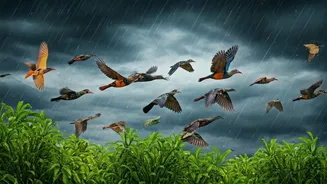
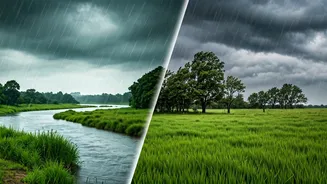
The first showers awaken a dormant world. The parched earth turns into a vibrant green carpet, and with this transformation comes an explosion of life. Insect populations, from butterflies to termites, surge, creating a massive, protein-rich buffet for birds.
This abundance of food is a critical trigger for many species, providing the energy needed for the exhausting activities of courtship, mating, and raising young. After months of summer lethargy, birds become more active, feeding voraciously near freshly filled water bodies and lush vegetation.
The Spectacle of Breeding Season
While winter is famous for migratory visitors, the monsoon is the prime breeding season for many of India's resident birds. This is when birdwatching becomes less about ticking off a list and more about observing behaviour. You can witness elaborate courtship rituals, frantic nest-building, and the tender moments of parents feeding their chicks. Species like the Baya Weaver are a perfect example; males develop a brilliant yellow plumage and construct their intricate, hanging nests, often in bustling colonies. Similarly, the stunning Indian Paradise Flycatcher, with its long, trailing tail feathers, becomes a common sight as it nests and raises its young.
The Arrival of Monsoon Migrants
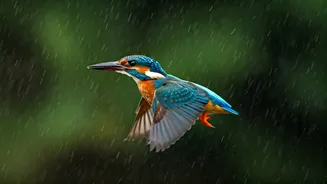
Not all avian travellers arrive in winter. A special group of birds are monsoon migrants, flying to India specifically for the rainy season. The most famous of these is the Pied Cuckoo, also known as the Jacobin Cuckoo. In Indian folklore, this black-and-white crested bird is hailed as the harbinger of the monsoon, believed to ride the monsoon winds all the way from Africa. Its arrival in central and northern India is a celebrated event, as it is thought to signal that the rains are just days away. Other species, like the Blue-tailed Bee-eater and Indian Pitta, also migrate to or within the subcontinent to breed during this season.
A Symphony of Bird Calls
The monsoon is a season for the ears as much as the eyes. With the urge to find mates and defend territories, birds become incredibly vocal. The air fills with a chorus of calls that are often absent during other times of the year. The shy Indian Pitta, a colourful ground-dwelling bird, can be heard constantly with its sharp two-note whistle. The repetitive 'kutrook...kutrook' of the White-cheeked Barbet becomes a common sound in the Western Ghats, while various cuckoos, like the Grey-bellied Cuckoo, fill the air with their distinctive, often plaintive, songs. This increased vocalisation makes it easier for birders to locate species that might otherwise remain hidden.
Stunning Breeding Plumage
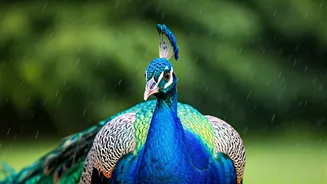
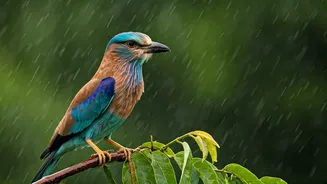
To attract mates, many male birds moult into their finest, most colourful feathers, known as breeding plumage. This transformation can be dramatic. The otherwise plain Pheasant-tailed Jacana, a water bird, develops a spectacular long tail and a golden nape. Baya Weaver males turn a sunflower yellow, and the White-bellied Minivet displays a striking orange, white, and black pattern. For photographers and birdwatchers, this is a golden opportunity to see these birds at their most vibrant, set against the lush, green backdrop of the monsoon landscape.
Lush Landscapes and Fewer Crowds
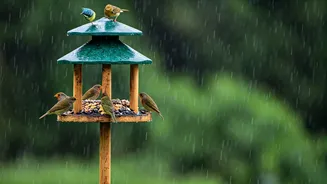
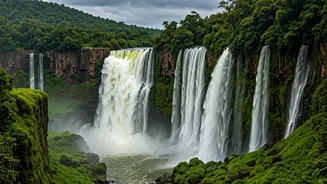
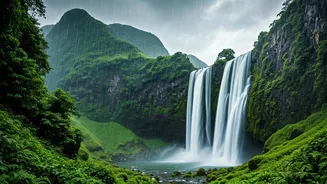
Birdwatching in the monsoon is a uniquely serene experience. The rain washes the dust from the air and leaves, making colours appear richer and more saturated. The misty, atmospheric conditions in places like the Western Ghats or the Himalayan foothills create a magical setting. Furthermore, many popular national parks and sanctuaries are less crowded during this time, offering a more peaceful and intimate connection with nature. While some core zones may be closed, many buffer areas and specific monsoon birding destinations like those in Goa, Kerala, and Maharashtra remain open and offer incredible sightings.