



Why Monsoon Weather Means More Ticks
The connection between the monsoon and ticks isn't just a feeling; it's a biological reality. Ticks thrive in warm, humid conditions, which is exactly what the Indian monsoon provides from June through September. The moisture in the air and the dampness
in grassy, leafy areas allow ticks to breed rapidly and lie in wait for a host. When your dog joyfully runs through a wet park or brushes against overgrown plants on a walk, they are moving through a prime habitat for these parasites. This is why infestations and the diseases they carry spike sharply during these months, turning a simple walk into a potential health risk.
The Hidden Dangers of a Single Bite
A tick is not just an itchy nuisance; it's a potential carrier of serious illnesses. In India, the two most common tick-borne diseases are Babesiosis and Ehrlichiosis, often collectively called 'tick fever'. Both can be severe and even fatal if not caught early. Babesiosis attacks a dog's red blood cells, causing symptoms like weakness, pale or white gums, and dark-coloured urine. Ehrlichiosis targets white blood cells, leading to fever, lethargy, and a loss of appetite. Other tick-borne pathogens found in India include Hepatozoon canis and Anaplasma platys. Symptoms may not appear for days or even weeks after a bite, making proactive checks crucial.
How to Perform a Daily 5-Minute Tick Check
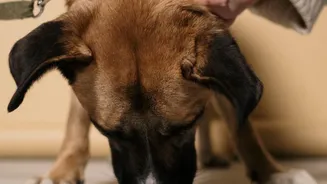
Making a tick check part of your daily routine is the most effective way to catch these parasites early, often before they can transmit disease. After your dog comes in from outdoors, calmly run your hands over their entire body, feeling for any small bumps. Pay special attention to the areas where ticks love to hide: in and around the ears, under the collar, between the toes, in their 'armpits', around the groin, and at the base of the tail. Part the fur to get a good look at any lump you feel. An un-fed tick can be as small as a pinhead, while a fed one can swell to the size of a grape. Making this a calm, positive experience with treats can help your dog relax and cooperate.
Found a Tick? How to Remove It Safely
If you find a tick, it's important to remove it correctly to avoid infection. Do not use folk remedies like heat, petroleum jelly, or dish soap, as these can agitate the tick and cause it to release more saliva into the bite. Instead, use a pair of fine-tipped tweezers or a specialised tick removal tool. Wear gloves to protect yourself. Grasp the tick as close to your dog's skin as possible, getting a hold of its head, not its body. Pull upward with slow, steady pressure without twisting or jerking. The goal is to pull the entire tick, including its mouthparts, out cleanly. Once removed, dispose of the tick by placing it in a sealed container with rubbing alcohol. Clean the bite area on your dog with a pet-safe antiseptic and wash your hands thoroughly.
Beyond the Check: Proactive Prevention
While daily checks are essential, a multi-layered prevention strategy offers the best protection. Consult your veterinarian about the most suitable tick-preventative product for your dog, which may include spot-on treatments, medicated collars, or oral tablets. Never use products intended for other animals on your dog unless specifically approved. Environmental control is also key. Keep the grass in your yard mowed short and remove leaf litter to reduce tick habitats. Regularly wash your dog's bedding in hot water, especially during the monsoon season, to kill any parasites that may have been brought inside. Combining these preventative measures with your daily checks provides a robust defence against ticks and the diseases they carry.