

Preparing for Your Stargazing Night
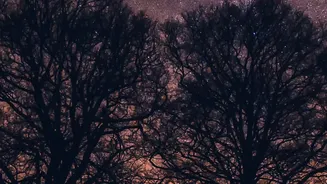
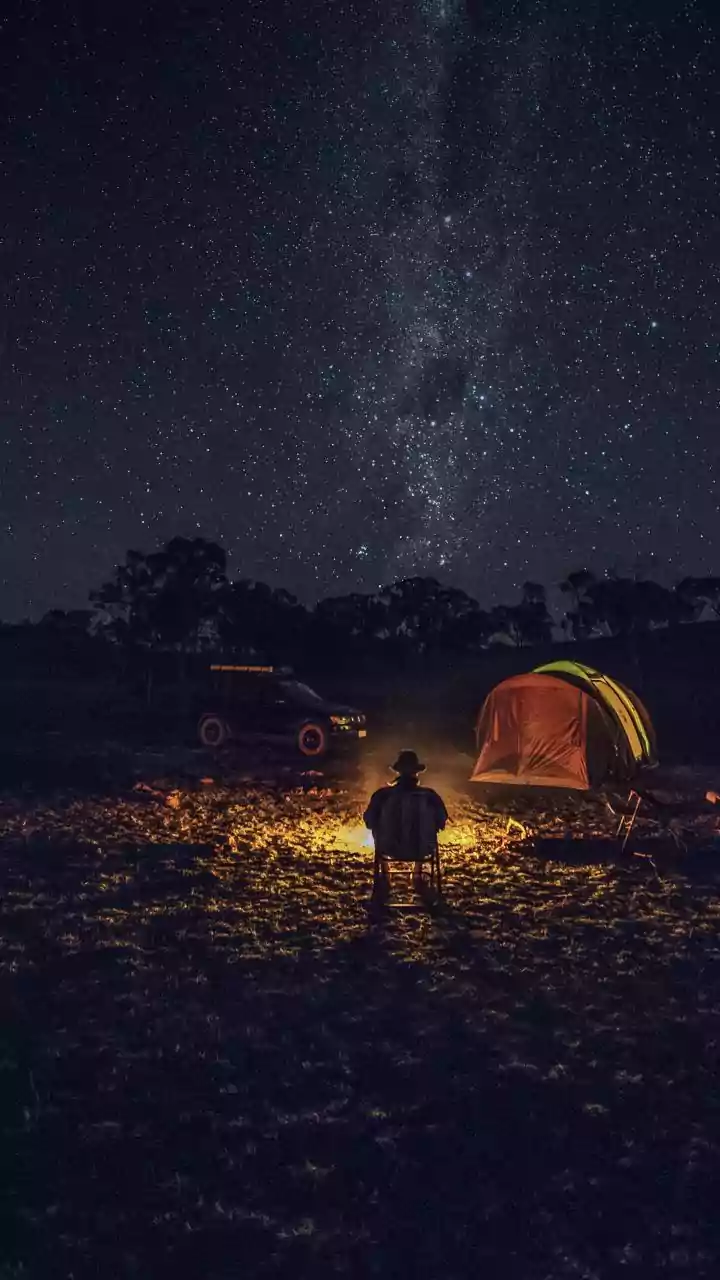
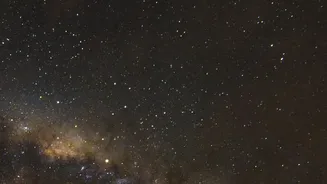
The best stargazing experiences start with a little preparation. First, find the darkest spot you can. City lights can wash out fainter stars, so even moving to a part of your yard away from streetlights and house windows can make a big difference. Second,
give your eyes time to adjust. It takes about 20 to 30 minutes for your eyes to become fully adapted to the dark, allowing you to see much more. Avoid looking at your bright phone screen during this time. Finally, check the weather forecast for clear skies and take note of the Moon phase. The New Moon on October 10 means the first half of the month will have wonderfully dark skies, perfect for spotting fainter objects.
Planets on Parade This October
Several planets are putting on a great show this month. Saturn will be a standout, reaching opposition on October 4, which means it will be at its closest and brightest for the year. Look for a steady, yellowish point of light rising in the east around sunset and visible all night long. While you won't see its rings without a telescope, its bright presence is unmistakable. Reddish Mars and brilliant Jupiter will also be visible, rising later in the night and best viewed in the pre-dawn hours. Early risers on October 5 can catch the crescent moon near Mars, with Jupiter joining them to form a lovely trio in the eastern sky.
Catch a Falling Star: Two Meteor Showers
October hosts two notable meteor showers. First are the Draconids, which will peak on the evening of October 8-9. Unusually, this shower is best viewed right after nightfall, not in the early morning hours. With the Moon being nearly new, conditions are excellent for spotting the 10 or so meteors per hour this shower can produce. Later in the month, look for the Orionids, which peak on the night of October 21-22. These meteors are debris from Halley's Comet and are known for being fast and bright. A bright Moon will interfere early in the night, but it sets a few hours before dawn, leaving a dark window for optimal viewing. Aim to watch between moonset and dawn for a chance to see up to 20 meteors per hour.
Navigating the Autumn Constellations
Finding constellations is easier than you think. Start by looking for the Great Square of Pegasus, a large, easy-to-spot box of four stars high in the eastern evening sky. It's a key signpost for the autumn sky. Nearby, you'll find Cassiopeia, which looks like a distinct 'W' or 'M' shape. As the night goes on, one of the most famous constellations, Orion the Hunter, will begin to rise in the east. It's easily recognisable by the three bright stars that form its belt. While some constellations are fainter, starting with these prominent patterns will help you get your bearings.
Helpful Tools (No Telescope Needed)
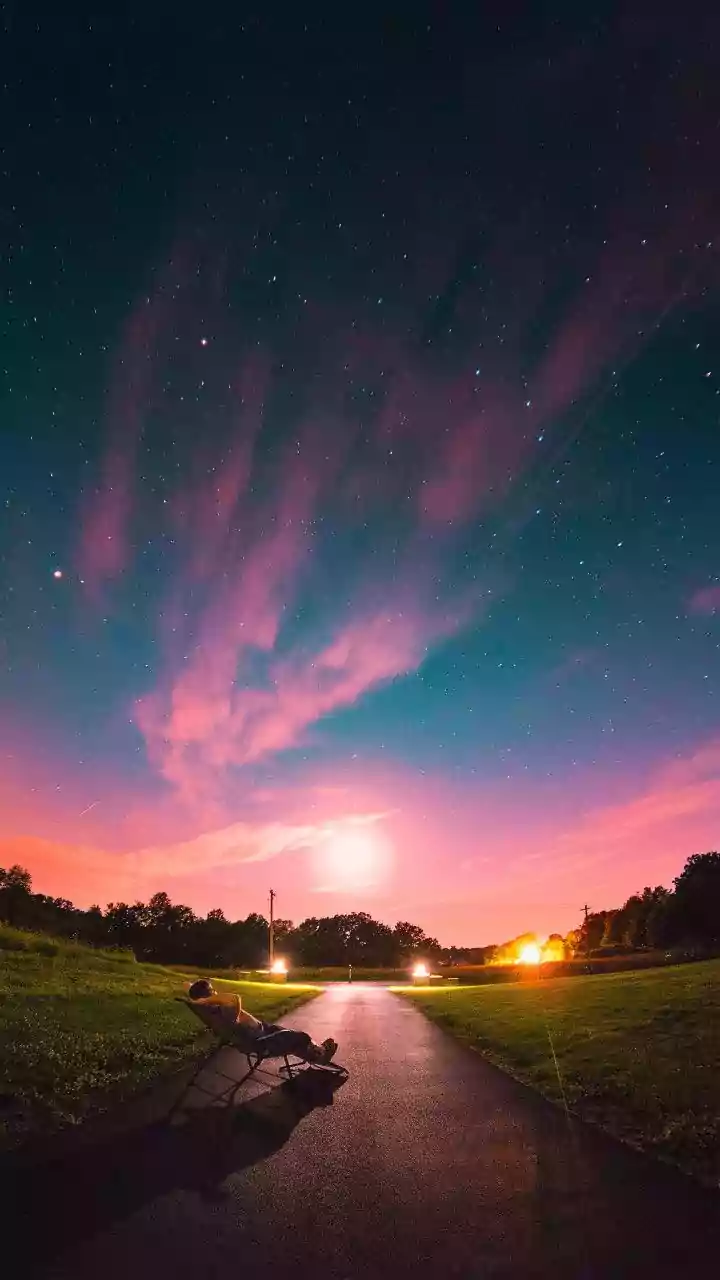
While this is a telescope-free guide, a few simple tools can enhance your experience. Stargazing apps for your smartphone, like Star Walk 2 or Stellarium, can be invaluable. They use your phone's location to show you a map of the sky in real-time, helping you identify the planets, stars, and constellations you're looking at. Many have a red-light mode to preserve your night vision. Also, a comfortable chair or blanket will make your viewing session much more pleasant. Stargazing can involve a bit of waiting, so being comfortable is key to enjoying the celestial show.