






The Hidden Cost of Grand Gestures
The tradition of gifting is central to celebrations like Diwali, but the modern hamper has become a significant source of environmental stress. Cities across India report sharp spikes in waste collection during and after major festivals. For instance,
during Diwali week, some cities see waste generation jump by hundreds of tonnes daily. A large portion of this comes from gift packaging: non-recyclable laminated boxes, plastic films, synthetic ribbons, and thermocol fillers that can take hundreds of years to decompose. Beyond the packaging, many items inside oversized hampers—often generic fillers—go unused and are eventually discarded, adding to the burden on our already overflowing landfills.
A Cultural Shift to Mindful Giving
Fortunately, a cultural shift is underway. A growing number of Indian consumers are becoming more conscious of their environmental footprint, with studies showing a strong preference for sustainable and eco-friendly products. This trend reflects a move away from mass-produced, impersonal gifts toward more thoughtful and personalised options. Mindful gifting prioritises quality over quantity. It is the art of choosing a present that is not only beautiful and desirable but also ethically produced and minimally packaged. This approach turns gifting from a driver of waste into an expression of genuine care for both the recipient and the planet.
Why Smaller, Curated Hampers Are Smarter
Opting for a smaller, thoughtfully curated hamper is one of the most effective ways to participate in this sustainable shift. The primary benefit is a drastic reduction in waste. A compact hamper naturally requires less packaging material and eliminates the need for plastic fillers used to make large baskets look full. Furthermore, a smaller collection of items encourages focus. Instead of an impersonal assortment, you can build a hamper around a specific theme that resonates with the recipient, such as wellness, gourmet foods, or locally made crafts. This ensures the items inside are genuinely wanted and will be used, avoiding the 're-gifting' or discarding cycle. This approach also often supports small businesses and local artisans who specialise in unique, high-quality products, making your gift more meaningful.
How to Build a Thoughtful Hamper
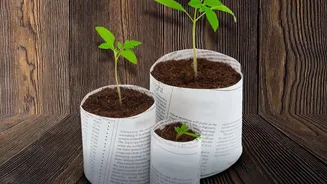
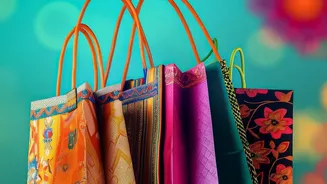
Creating a beautiful and sustainable hamper is easier than it sounds. Start by choosing a theme. For a wellness-focused friend, consider including organic soaps, essential oils, or herbal teas. For a food lover, gather locally sourced snacks, artisanal preserves, or organic spices. The key is to select a few high-quality items rather than many generic ones. Once you have your items, think about the container. Instead of a disposable basket, choose something reusable, like a jute box, a bamboo tray, or even a beautiful cloth bag that can be used later. These elements add to the gift's long-term value. When it comes to presentation, ditch the plastic wrap and synthetic ribbons. Use recycled kraft paper, newspaper, or fabric wraps like the Japanese Furoshiki technique. For a final touch, use natural decorations like dried flowers, leaves, or a handwritten note on seed paper that can be planted.