

The Dangers of a Wet Floor
The main concern with wet floors isn't just the risk of a slip, but the chemical residue left behind by cleaning products. Pets explore the world with their noses and paws. They walk across these treated surfaces, and the chemicals can be absorbed directly
through their paw pads. Later, during their routine grooming, they lick their paws and fur, ingesting these potentially toxic substances. This paw-to-mouth transfer is a primary route of exposure, turning a clean floor into an invisible hazard. Unlike humans, pets have smaller bodies and different metabolic systems, making them more vulnerable to poisoning from even small amounts of residue.
Harmful Chemicals to Avoid
Many common household cleaners contain ingredients that are dangerous for pets. When shopping for floor cleaners, it is wise to read the labels and steer clear of products containing ammonia, bleach (sodium hypochlorite), phenols, and phthalates. Ammonia can irritate your pet’s respiratory system and eyes. Phenols, often found in products advertised as “antibacterial,” are particularly toxic to cats, who lack a specific liver enzyme to process them. Even heavily diluted bleach can cause irritation to paw pads and the digestive tract if licked.
Choosing a Pet-Safe Cleaner
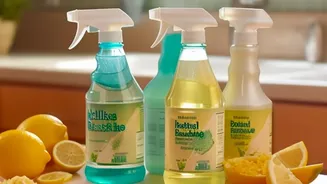
Fortunately, many pet-safe commercial cleaning options are available. Look for products explicitly labeled as “pet-safe,” “non-toxic,” or “family-safe.” Cleaners with a neutral pH are generally a good choice for routine mopping as they are less harsh. Plant-based or enzyme-based cleaners are often excellent alternatives to chemical-heavy formulas. For a simple and effective DIY solution, a mixture of equal parts white vinegar and water can be used on many floor types like tile, vinyl, and sealed wood. This solution is inexpensive and does not leave harmful residues.
The Safest Cleaning Method
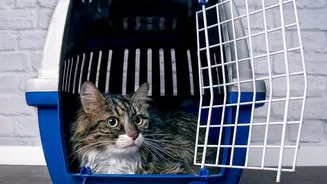
The right technique is just as important as the right product. First, move your pets to a separate, secure area before you begin cleaning. This prevents them from being exposed to fumes or wet surfaces. Always follow the dilution instructions on the product label; using too much concentrate can leave a sticky, potent residue. After mopping with your cleaning solution, some experts recommend a second pass with a mop and plain water to remove any lingering chemicals. The most crucial step is to let the floor dry completely before allowing your pets back into the area. This can take anywhere from 30 minutes to an hour, depending on ventilation.
Warning Signs of a Bad Reaction
Even with precautions, accidents can happen. It is vital to know the signs of poisoning or irritation from cleaning products. Common symptoms include excessive drooling or foaming at the mouth, vomiting, diarrhea, coughing, or difficulty breathing. You might also notice skin irritation, such as redness or blisters on the paws, or behavioral changes like lethargy, weakness, or unusual agitation. If you notice any of these signs after a cleaning session, it's crucial to act quickly.