







The Predictable Chaos of Monsoon Travel
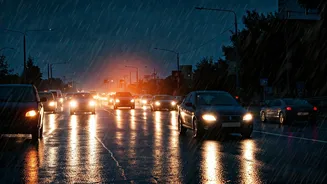
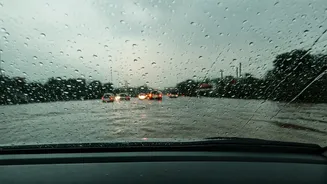
Getting caught in a sudden shower is more than just an inconvenience; it's a trigger for a domino effect of urban disruption. Roads that are already congested become choked with slow-moving traffic, low-lying areas quickly turn into water-logged traps,
and public transport schedules go haywire. The difference between a smooth journey and being stranded for hours often comes down to a matter of minutes. In cities like Mumbai, Delhi, Bengaluru, and Chennai, a heavy spell of rain during peak hours can bring the entire metropolis to a standstill. This is not just about lost time; it's about safety, stress, and the sheer unpredictability of it all. But in an age of smart technology, leaving your travel to chance is a choice, not a necessity. A proactive approach, powered by the data in your pocket, can transform your monsoon commuting experience.
Your Digital Weather Command Centre
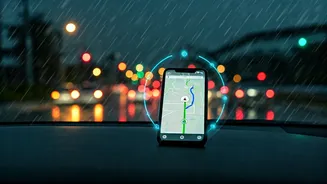
The first step to outsmarting the rain is equipping your smartphone with the right tools. Fortunately, there are several reliable applications, both from Indian authorities and international providers. The India Meteorological Department (IMD) offers two crucial apps. 'Mausam' is the primary app for comprehensive weather services, providing forecasts for over 450 cities, radar images, and timely warnings. For a more specific threat, the 'Damini' app provides alerts for lightning strikes within a 20 to 40-kilometre radius, which is vital for personal safety if you are outdoors. Alongside these, global apps like AccuWeather and The Weather Channel have a strong presence in India. AccuWeather’s ‘MinuteCast’ feature, for example, offers minute-by-minute precipitation forecasts for the next two hours, letting you know precisely when the rain will start and stop. By having a combination of these apps, you can cross-reference information and get a more complete picture of the weather situation.
Decoding the IMD’s Colour Codes
The IMD uses a simple but effective colour-coded system to communicate the severity of an impending weather event. Understanding these alerts is key to making informed decisions. - Green (No Advisory): This indicates calm weather with no significant alerts. You can proceed with your plans as usual. - Yellow (Be Aware): A yellow alert suggests that the weather could change and potentially disrupt your day. It’s a signal to keep an eye on the situation. - Orange (Be Prepared): This is a serious alert. An orange warning means very heavy rainfall is expected, which could lead to traffic disruption, waterlogging, and power cuts. You should be prepared to alter your travel plans. - Red (Take Action): A red alert is the highest warning level. It signifies that extreme weather is imminent and poses a significant threat to life and property. During a red alert, it is strongly advised to avoid all non-essential travel.
Crafting Your Departure Strategy
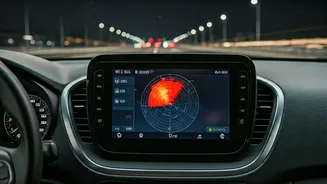
Having the right apps and understanding the alerts is only half the battle. The final step is to integrate this knowledge into a practical departure strategy. 1. Check Before You Leave: About 30-60 minutes before your planned departure, consult your weather apps. Look at the 'nowcast'—short-term, three-hourly warnings—on the Mausam app and check the radar images to see the direction and intensity of approaching rain clouds. 2. Combine Weather and Traffic Data: Open a real-time traffic app like Google Maps or Mappls. Overlay what you know about the weather with the current traffic conditions. Is a yellow alert in effect for an area that is already showing red traffic lines? That’s your cue to find an alternative route or delay your departure if possible. 3. Listen to Hyperlocal Updates: Follow the official social media accounts of your local traffic police. They often provide the most immediate updates on waterlogged streets, accidents, and diversions that automated systems might miss. 4. Time Your Exit: If a short but intense spell of rain is predicted, you might decide to wait it out. A 30-minute delay at home or in the office is far better than being stuck for two hours in a jam. This is where minute-by-minute forecasts can be incredibly valuable.