



Start with a Quick Inventory
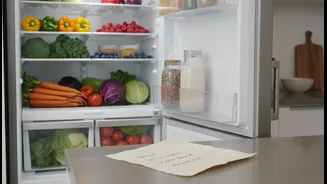
Before you can organize, you need to know what you have. Spend just five to ten minutes taking a quick scan of your refrigerator, pantry, and countertops. The goal isn't a deep clean, but a rapid assessment. Make a mental note or jot down items that are
nearing their expiration date, leftovers that need to be eaten, and produce that's starting to look a bit sad. Pay special attention to anything open, like bags of rice, packets of spices, or jars of sauce. This initial survey is the foundation of your reset, helping you shop smarter and waste less.
Consolidate Open Packages
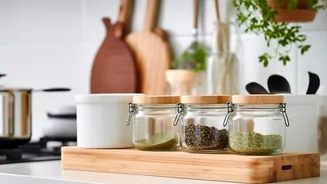
Multiple half-empty bags of the same thing are a common cause of pantry clutter. Take a few minutes to consolidate these items. Pour the last of that quinoa into the larger bag or combine two boxes of the same pasta. For items that have lost their original packaging, consider decanting them into clear, airtight containers. This not only saves space but also allows you to see exactly how much you have at a glance, preventing you from buying duplicates on your next grocery run. Don't forget to label containers with the contents and the date you opened them.
Create an 'Eat Me First' Zone
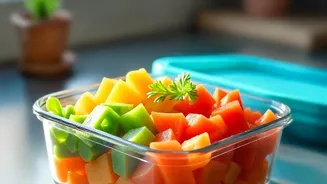
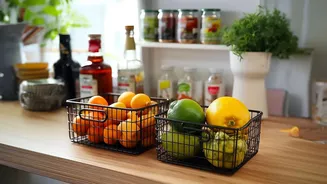
One of the most effective ways to reduce food waste is to create a designated spot for items that need to be used up quickly. This can be a specific bin in your fridge, a basket on your counter, or a marked shelf in your pantry. Place leftovers, produce on the verge of turning, and dairy products nearing their 'use by' date in this zone. This simple visual cue reminds everyone in the household what to reach for first when looking for a snack or planning a meal, turning a potential source of stress into a creative cooking challenge.
Optimize Your Storage Space
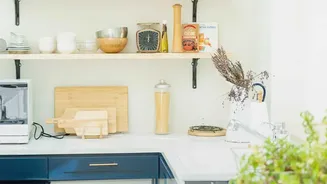
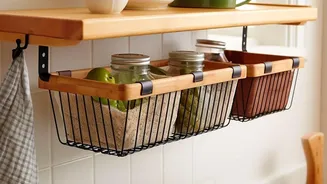
With items consolidated, it's time to reclaim your storage. Tidy up your shelves so that labels face forward, making it easy to see what you have. Simple tools can make a huge difference. Shelf risers can double your vertical storage space in cabinets, while turntables or lazy Susans in corner cabinets or for spices can bring hidden items to the front with a simple spin. Use baskets to group similar items together, like oils and vinegars or baking supplies. This quick re-organization prevents things from getting lost in the back of the cupboard and makes finding ingredients much faster during a busy weeknight.
Connect Your Reset to a Meal Plan
The final step is to make your reset truly functional by linking it to your plan for the week. Look at the items in your 'Eat Me First' zone and the ingredients you've taken stock of. Build a few meals around what you already have. That half-used jar of pasta sauce, leftover roasted chicken, and wilting spinach can become a delicious pasta bake. This 'reverse meal planning' not only uses up food that might otherwise go to waste but also simplifies your grocery shopping. Your list will be shorter, focused only on filling in the gaps for the meals you've planned.