






When Rain Becomes a Risk
Not all water is created equal. While regular rainfall is essential for agriculture, the intense downpours and subsequent flooding common during India's monsoon season present a different story. When rivers, streams, and sewage systems overflow, the resulting
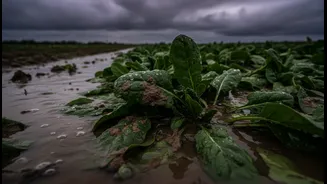
floodwater is a dangerous cocktail of contaminants. This water sweeps across farmland, carrying with it raw sewage, waste from livestock operations, industrial chemicals, and other hazardous materials. Unlike controlled irrigation with clean water, this floodwater saturates the soil and directly coats vegetables and fruits with a film of potentially dangerous substances. Any produce that comes into direct contact with these floodwaters is considered adulterated and unsafe for consumption.
The Invisible Invaders on Your Vegetables
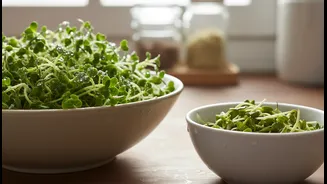
The primary danger from flood-contaminated produce comes from microscopic organisms that you can't see, smell, or taste. Floodwaters are breeding grounds for a host of pathogens, including bacteria like E. coli, Salmonella, and Listeria, as well as viruses like Norovirus and Hepatitis A, and parasites such as Giardia and Cryptosporidium. These pathogens are a common cause of foodborne illnesses, which spike during the rainy season. Leafy greens like spinach and cabbage are particularly vulnerable because their many layers and crevices can easily trap contaminated water and soil, making them almost impossible to clean thoroughly. Root vegetables that grow in saturated, contaminated soil are also at high risk. Even a small amount of some of these pathogens can cause severe gastrointestinal distress, especially in children, the elderly, and those with weakened immune systems.
Why Washing Isn't Enough
While washing produce is always important, it may not be sufficient when dealing with vegetables exposed to floodwater. Pathogens can cling stubbornly to the surface of leaves and skins, and some studies suggest they can even be absorbed into the plant's tissue, particularly if the produce is bruised or damaged. Washing might remove surface dirt, but it won't guarantee the elimination of all microscopic threats. This is why consuming raw vegetables, such as in salads or as garnishes, becomes particularly hazardous during and after periods of heavy rain. Health authorities, including the FSSAI, strongly advise against eating raw produce during the monsoon and stress the importance of cooking. Cooking food to a high enough temperature is the most effective way to kill harmful bacteria and viruses that may be present.
Your Guide to Safer Eating This Monsoon
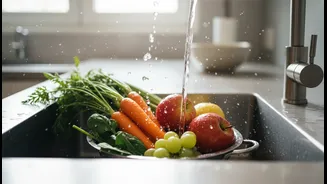
Protecting yourself and your family requires being extra vigilant. The safest approach is to avoid raw vegetables entirely during this season, especially leafy greens. Opt for vegetables that can be cooked thoroughly. When shopping, choose produce that looks fresh and is free from mud, bruises, or cuts. Avoid pre-cut fruits and vegetables, as they have more exposed surfaces for bacteria to grow on. At home, follow FSSAI guidelines for food safety. Wash all vegetables thoroughly under clean running water. For extra precaution, you can soak them in a solution of saltwater or vinegar for a few minutes before rinsing again. Most importantly, cook your vegetables well. Steaming, boiling, or stir-frying are all excellent methods to ensure your food is safe to eat. By taking these steps, you can continue to enjoy the bounty of the season without compromising your health.