






Start With a Smarter Wash
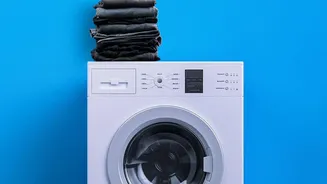
The battle against monsoon laundry woes begins in the washing machine. Overloading your machine is a common mistake that prevents clothes from rinsing properly and spinning effectively. During the rainy season, it's better to wash smaller loads more frequently.
This allows for better water circulation and more efficient water extraction during the spin cycle, meaning clothes come out with less residual moisture. Consider using an anti-bacterial detergent to combat the germs that thrive in humid conditions. A simple but effective trick is to add half a cup of white vinegar to the rinse cycle; it acts as a natural antibacterial agent and deodoriser without leaving a smell.
Embrace the Extra Spin
Your washing machine's spin cycle is your most valuable ally during the monsoon. Don't hesitate to use the highest spin speed your fabrics can handle. A powerful spin can remove a significant amount of excess water, cutting down indoor drying time considerably. Many modern machines have spin cycles reaching 1400 RPM, which is highly effective. For particularly stubborn loads or if your machine allows, running a second spin cycle can be a game-changer, making clothes up to 50% drier before they even hit the rack.
Master the Art of Indoor Drying
With sunlight being a rare commodity, effective indoor drying is crucial. The key is to maximise airflow. Invest in a sturdy, foldable drying rack and, most importantly, give each garment its own space. Hanging clothes too close together traps moisture and is a primary cause of that musty smell. Aim for at least a two-inch gap between items. Placing the rack directly under a ceiling fan or aiming a pedestal fan at it dramatically speeds up evaporation by constantly moving air across the fabric. Even cracking a window open slightly can help, as it allows the humid air to escape the room.
Banish Musty Odours for Good
That signature monsoon smell on clothes is caused by mildew and bacteria that start to grow on fabric that remains damp for more than a few hours. The goal is to get clothes from wet to dry in under eight hours. If a musty smell has already set in, rewashing the items with a cup of white vinegar or baking soda can neutralize the odour. Never mix them together in the same wash, as they cancel each other out. For your washing machine itself, run a monthly cleaning cycle with hot water and vinegar to kill any mould lurking in the drum or rubber gasket.
Your Appliances Are Your Allies
If your budget and space allow, certain appliances can make monsoon laundry almost effortless. A dehumidifier is perhaps the most effective tool, as it directly removes moisture from the air in a room, allowing clothes to dry in as little as 4-6 hours. Placing one in a closed room with your drying rack is the gold standard for indoor drying. An air conditioner can have a similar, though less targeted, effect. Some washing machines also come with features like a hot water wash or steam cycles, which are excellent for sanitising clothes and killing odour-causing bacteria.
Store Your Clothes Wisely
The final step is just as important: storage. Never put away clothes that are even slightly damp. Check thick areas like collars, waistbands, and seams to ensure they are bone-dry. Ironing clothes before storing not only gives them a crisp finish but also helps evaporate any last traces of moisture. To keep wardrobes fresh, avoid packing them too tightly to allow for air circulation. You can place moisture absorbers like silica gel packets, a small bowl of baking soda, or even pieces of chalk on shelves to combat dampness. Periodically leaving wardrobe doors open for about 30 minutes can also help air out the space.