





The Hazards of Running in the Heat
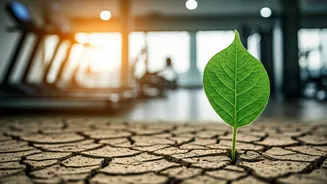
For dedicated runners in India, summer presents a gruelling challenge. That invigorating morning jog can quickly turn into a draining ordeal as temperatures climb. Pushing your body on hot asphalt or dusty trails during peak heat isn't just uncomfortable;
it's dangerous. The primary risks are dehydration and heat-related illnesses, such as heat exhaustion and the more severe heatstroke. Symptoms like dizziness, nausea, and extreme fatigue are your body’s warning signs. Performance also takes a significant hit. Your heart has to work harder to pump blood to your skin to cool you down, leaving less oxygen for your muscles. This means you run slower and tire faster, turning a session meant for fitness into one of pure endurance against the elements.
Welcome to Your Low-Impact Sanctuary
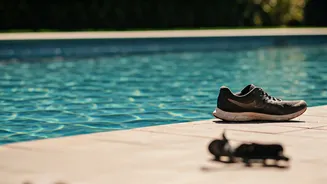
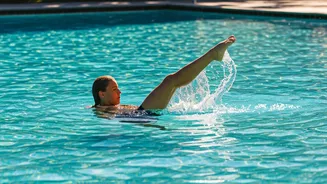
Now, picture the opposite: gliding through cool, clear water. Swimming is the ultimate low-impact exercise. The buoyancy of water supports up to 90% of your body weight, giving your joints a much-needed break from the constant pounding they endure on hard surfaces. For runners, who are prone to stress injuries in the knees, ankles, and hips, swimming is an ideal form of cross-training. It allows you to maintain and even improve your cardiovascular fitness without the repetitive strain. This makes it a sustainable choice not just for a sweltering summer, but as a lifelong fitness habit that protects your body while strengthening it. It’s not about replacing running forever, but about having a smarter, safer alternative when conditions are against you.
A True Full-Body Workout
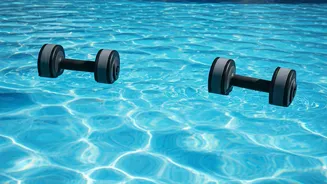
While running is fantastic for your legs and heart, it primarily works the lower body. Swimming, on the other hand, is one of the few activities that provides a comprehensive, full-body workout. As you pull and kick your way through the water, you engage your arms, shoulders, back, core, and legs simultaneously. The water provides constant resistance from all directions, forcing your muscles to work harder than they would on land. Different strokes target different muscle groups. Freestyle and backstroke are great for toning your shoulders and lats, while breaststroke works your chest and inner thighs. This balanced muscle development helps improve your overall strength and posture, which can even translate to better form and efficiency when you do return to running.
Burn Calories, Not Your Skin
There's a common misconception that because swimming feels less strenuous, it must burn fewer calories. This isn't true. A vigorous swim can burn as many, if not more, calories than a run at a similar intensity level. An hour of moderate swimming can burn upwards of 400-500 calories, depending on your weight and efficiency. Because it’s a full-body workout, your cardiovascular system is working hard to supply oxygen to all your active muscles. The result is a powerful cardio session that strengthens your heart and improves lung capacity, all while the water keeps your body temperature regulated. You can push your intensity in a midday swim in a way that would be impossible, and reckless, on a midday run.
The Mental Refresh Button
Beyond the physical benefits, swimming offers a unique mental escape. The rhythmic nature of your strokes, the sound of the water, and the feeling of weightlessness combine to create an almost meditative state. It’s a chance to disconnect from the noise and heat of the outside world and focus solely on your breath and movement. This can significantly reduce stress and anxiety. While a runner's high is a real phenomenon, the stress of battling extreme heat can negate those positive feelings. Submerging yourself in a cool pool offers an immediate sense of relief and calm, making your workout feel less like a chore and more like a refreshing reward.
How to Make the Switch
Getting started is simpler than you think. Most cities have public pools, and many apartment complexes or local clubs offer access. All you really need is a comfortable swimsuit and a pair of goggles. If you're new to swimming for fitness, start slow. Begin with 15-20 minute sessions, alternating between laps and rest. Focus on your breathing and form rather than speed. You can try a simple routine: warm up with a few easy laps, then do sets of freestyle or breaststroke, and finish with a cool-down. Don’t be intimidated if you're not a strong swimmer; even kicking while holding onto the side of the pool or using a kickboard is a fantastic workout. The key is to just get in the water.