







The New Epicentre of Growth
The engine of growth for India's burgeoning beauty market is shifting. While metro cities like Mumbai and Delhi were once the undisputed focus, the next wave of expansion is surging from non-metro India. [8] Recent data reveals a fundamental change: two
out of every three beauty product purchases on major e-commerce platforms now originate from Tier-II and Tier-III cities such as Gorakhpur, Jamnagar, and Guwahati. [6, 8, 14] This isn't a minor trend; it's a seismic shift. The overall Indian beauty and personal care market is projected to grow from around $27 billion to $39 billion by 2030, with these once-overlooked cities serving as a key engine for this expansion. [6, 14] Even the premium and luxury segments are feeling this effect, with some reports indicating that over half of the demand for high-end beauty products now comes from these smaller urban centres. [11, 14, 17]
What's Fuelling the Demand?
Several factors are converging to fuel this boom. The most significant driver is the digital revolution. [14] Increased smartphone penetration and affordable data have erased geographical barriers, giving a consumer in Patiala or Thrissur the same access to international, niche, and direct-to-consumer (D2C) brands as someone in a major metro. [11, 14] This has been coupled with a steady increase in disposable income and rising aspirations. [3, 5, 15] Furthermore, the rise of social media and a vibrant creator economy means consumers are more informed than ever. [18] They watch tutorials, research ingredients, and follow regional influencers, creating a sophisticated and aware customer base that was previously hard to reach. [8, 19, 21]
A New Kind of Consumer
It’s a mistake to view the Tier-II consumer as a budget-only version of their metro counterpart. [8] This new power buyer is discerning, aspirational, and informed, yet remains value-conscious. [7, 8] Primarily driven by a digitally native Gen Z, who account for a significant portion of beauty purchases, they have transformed beauty from an occasional luxury into a daily ritual. [6, 14] There is a growing appetite for premiumisation, with demand for high-end beauty growing over 60% year-on-year on some platforms. [8] These consumers are adopting complex, multi-step routines and showing keen interest in trending categories like K-beauty, science-backed skincare, and men's grooming, which has seen growth of up to 65%. [8, 11]
How Brands Are Responding
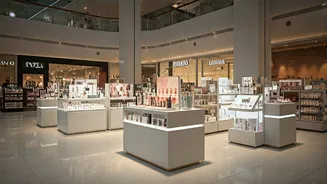
The industry is responding enthusiastically. Brands that have succeeded have adopted a digital-first strategy to penetrate these markets. [8, 10] Companies like SUGAR Cosmetics, for instance, derive more than 60% of their sales from Tier-II and Tier-III towns. [7] The strategy involves more than just online availability. Successful brands are using localized marketing with regional creators to build trust and relevance. [9, 20] They are also expanding their physical footprint, with both luxury and D2C brands opening stores in cities like Indore, Lucknow, and Jaipur to offer an omnichannel experience. [12] This blend of digital accessibility and physical presence allows them to cater to the consumer's desire for both convenience and the tangible experience of shopping. [12, 13]