







More Than Just a Warm Drink
For generations in India, a warm, spiced beverage has been the first response to a sniffle or a chill. It’s a gesture of care, a liquid hug that says, “I’m looking after you.” The recent surge in popularity for commercially branded “immunity teas” taps
directly into this deep-seated cultural instinct. In a world of increasing health anxieties, families are gravitating towards rituals that feel both proactive and comforting. Preparing a pot of immunity tea is more than just hydration; it's an act of nurturing. It provides a sense of control and agency, a simple, tangible step parents can take to protect their loved ones. This daily or weekly ritual strengthens family bonds, creating a shared moment of wellness in a busy schedule.
The Power Players in Your Teacup
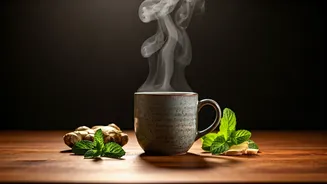
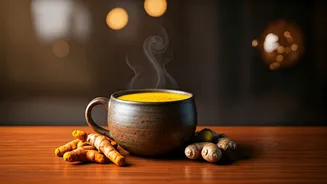
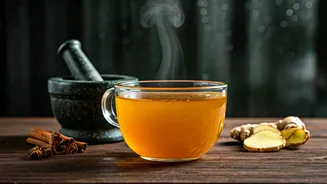
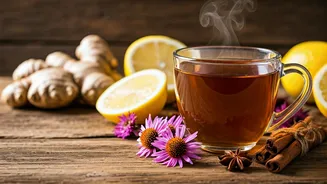
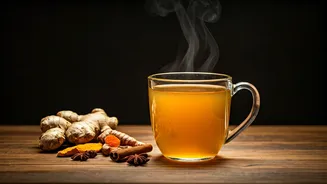
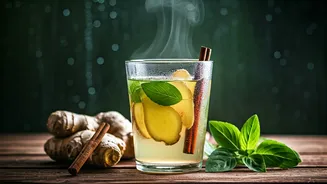
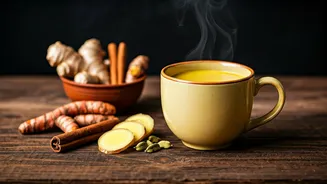
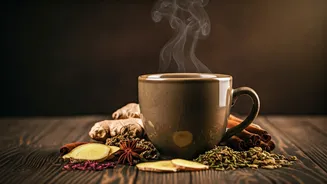
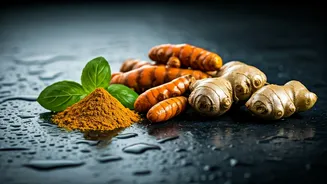
What makes these teas “immunity” teas? It’s all in the blend of ingredients, many of which are heroes in traditional Indian kitchens and Ayurvedic medicine. Turmeric, with its active compound curcumin, is celebrated for its potent anti-inflammatory properties. Ginger is another staple, known for easing nausea and fighting inflammation. You'll often find Amla (Indian gooseberry), one of the richest natural sources of Vitamin C, a crucial nutrient for immune cell function. Spices like cinnamon, cloves, and black pepper not only add warmth and flavour but also bring their own antioxidant benefits. And of course, herbs like Tulsi (Holy Basil) are revered for their adaptogenic qualities, believed to help the body manage stress—a key factor in maintaining a strong immune system.
A Shift Towards Proactive Wellness
The trend isn't happening in a vacuum. It’s part of a broader, global shift towards preventative health. Rather than waiting for illness to strike, more families are focusing on building resilience through daily habits. The pandemic certainly acted as a catalyst, making everyone hyper-aware of their immune health. But the trend has outlasted the lockdowns because it aligns with a growing desire for natural, holistic solutions. Consumers are more discerning, reading labels and seeking products with clean, recognizable ingredients. Immunity teas fit perfectly into this new paradigm—they feel less like a medicine and more like a wholesome part of a healthy diet, sitting comfortably alongside other wellness practices like yoga, balanced meals, and adequate sleep.
Keeping a Healthy Perspective
While these teas are packed with beneficial ingredients, it’s important to frame their role correctly. No single tea can “boost” your immune system into an impenetrable fortress or act as a cure for illness. Health experts are quick to point this out. Think of immunity teas as one tool in your wellness kit, not a magic bullet. Their primary benefits often come from supporting the body's natural functions—reducing inflammation, providing antioxidants, and promoting hydration and relaxation. A significant part of their effect is also psychological. The comfort and warmth of the tea, combined with the belief that you are doing something good for your body, can have a powerful, positive placebo effect. They are a supplement to, not a substitute for, a balanced diet, regular exercise, good hygiene, and proper medical care.