


What Exactly Is Circular Fashion?
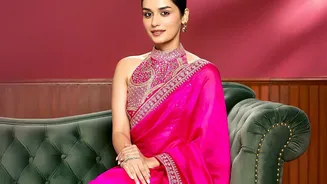
Before it became a trendy buzzword, the principles of circular fashion were a way of life in many Indian homes. Think of clothes being repaired, passed down to younger siblings, or old sarees being repurposed into quilts. At its core, circular fashion is
the opposite of the 'take, make, dispose' model of fast fashion. It’s a system designed to keep clothes and textiles in use for as long as possible through reuse, repair, resale, and eventually, recycling. This approach aims to minimize waste, reduce pollution, and lessen the massive environmental footprint of the garment industry.
The New Wave of Indian Thrifting
Thrift shopping isn't new to India, with bustling flea markets like Sarojini Nagar in Delhi being popular for decades. What’s different now is the rise of a curated, digital-first thrift culture driven by and for young, urban Indians. Social media platforms, especially Instagram, have become the new storefronts. Here, entrepreneurial sellers curate 'drops' of unique, pre-loved garments, often creating a frenzy of 'fastest-finger-first' shopping. This online boom, partly fuelled by the pandemic and a growing disillusionment with mass-produced styles, has made thrifting accessible, trendy, and aspirational for a new generation.
It’s Not Just Second-Hand, It’s ‘Modern Vintage’
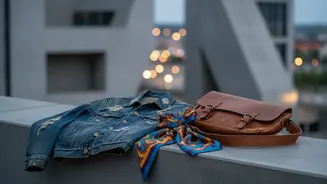
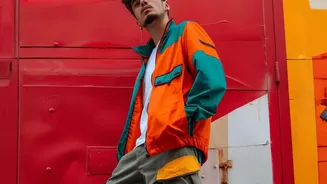
A key appeal of this new trend is the focus on 'modern vintage'. This isn’t about antique clothing but rather desirable pieces from the recent past—think 90s band tees, Y2K-era cargo pants, or timeless denim jackets. For many young shoppers, thrifting is a treasure hunt for one-of-a-kind items that allow them to express their individuality in a world of cookie-cutter fast fashion. The thrill lies in finding a unique piece with a story, something that helps them stand out from the crowd and curate a personal style that can't be bought off a mannequin. This desire for uniqueness is a major driver of the trend.
A Trifecta of Motivations: Style, Savings, and Sustainability
The shift towards thrifting is driven by a powerful combination of factors. First is affordability; for students and young professionals on a budget, thrifting offers access to high-quality and even branded apparel at a fraction of the retail price. Second is the growing awareness of fashion's environmental impact. Many young consumers are consciously choosing to reduce waste and opt out of the relentless cycle of fast fashion. While sustainability is a key factor, for many, the primary motivation is the unique style and affordability—the eco-friendly aspect is often seen as a welcome bonus. Finally, these elements combine to form a statement about personal values: a rejection of mindless consumerism in favour of conscious, individualistic style.
From Niche to Mainstream
What started as a subculture is rapidly becoming a mainstream movement. The stigma once associated with wearing second-hand clothes is fading among India's youth, replaced by a sense of pride in making smart, sustainable choices. The market for second-hand apparel in India is growing at a significant rate, reflecting a fundamental shift in consumer behaviour. Influencers and even celebrities are embracing and promoting pre-loved fashion, further normalizing it and bringing it into the cultural conversation. This movement isn't just about finding a bargain; it’s about a generation redefining its relationship with fashion.