




The Monsoon’s Critical Role
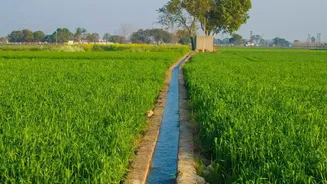
The southwest monsoon is the lifeblood of India's agriculture-driven economy. It replenishes reservoirs and provides the essential water needed for Kharif crops—the summer-sown staples that include rice, pulses, and oilseeds. A healthy monsoon season
typically translates to a bountiful harvest, stable food prices, and robust rural demand, which in turn fuels broader economic growth. However, the monsoon is a double-edged sword. Too much rain can flood fields and destroy standing crops, while too little can lead to drought-like conditions, parching the land and crippling output. This delicate balance makes the four-month season a period of high alert for farmers, policymakers, and consumers alike.
An Uneven and Unpredictable Season
The 2026 monsoon season has been marked by uncertainty. The India Meteorological Department (IMD) had projected a below-normal monsoon, partly due to developing El Niño conditions, which typically suppress rainfall. After a significant deficit in June, rains picked up in July, helping narrow the gap in Kharif crop sowing. However, as of mid-August, progress has stalled, with the nationwide deficit hovering around 12%. The distribution has also been highly uneven. States in east and northeast India are facing sharp shortfalls, with Bihar and East Uttar Pradesh seeing deficits of over 30%. Meanwhile, other regions have experienced intense downpours that disrupted logistics. This erratic pattern, with long dry spells punctuated by heavy rain, is a major concern as crops enter their crucial growth phase.
From Waterlogged Fields to Broken Supply Chains
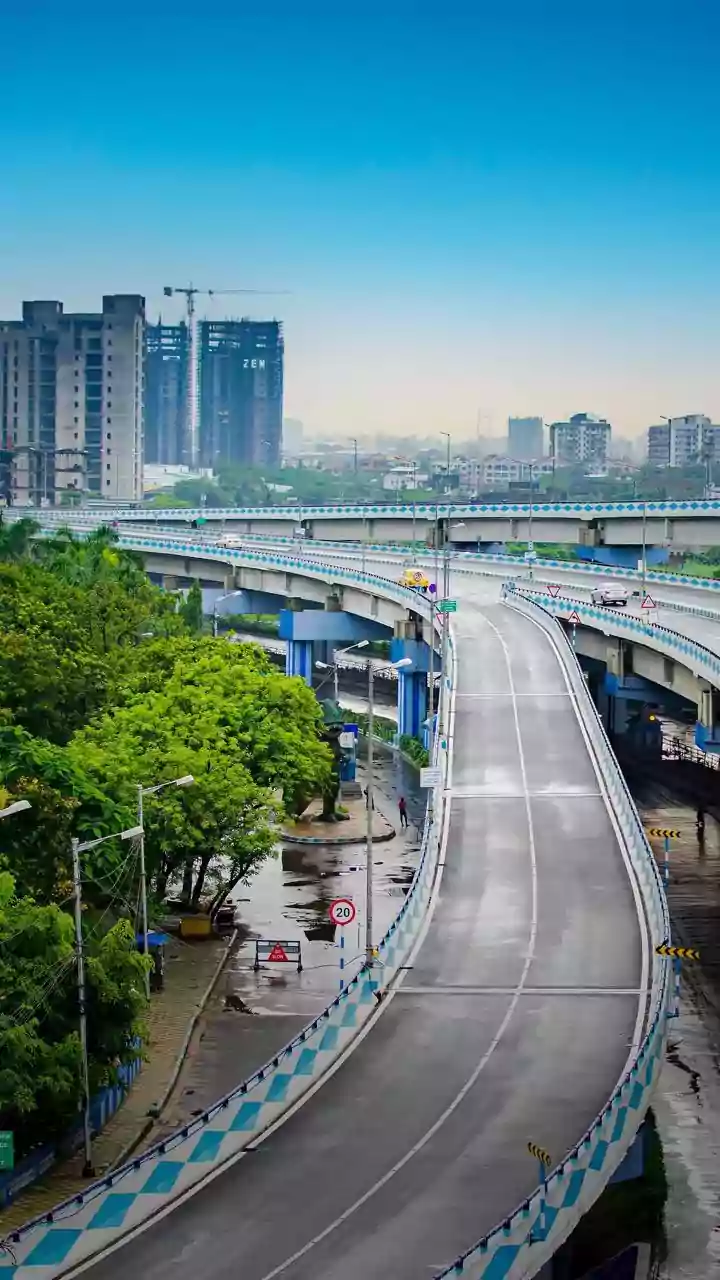
The journey of food from the farm to your plate is fraught with challenges, especially during a volatile monsoon. Excessive rainfall not only damages crops but also disrupts critical transport links. Waterlogged roads and damaged infrastructure can prevent trucks from reaching markets, leading to delays and spoilage. This creates a supply bottleneck, where even if produce is available at the farm gate, it cannot reach urban centres efficiently. Vegetables are particularly vulnerable due to their high perishability. Recent weeks have seen this play out with items like coriander, ginger, and garlic, whose prices have surged due to supply disruptions caused by heavy rains in key growing regions. These logistical hurdles add multiple layers of cost, which are ultimately passed down the supply chain.
What It Means for Your Shopping Basket
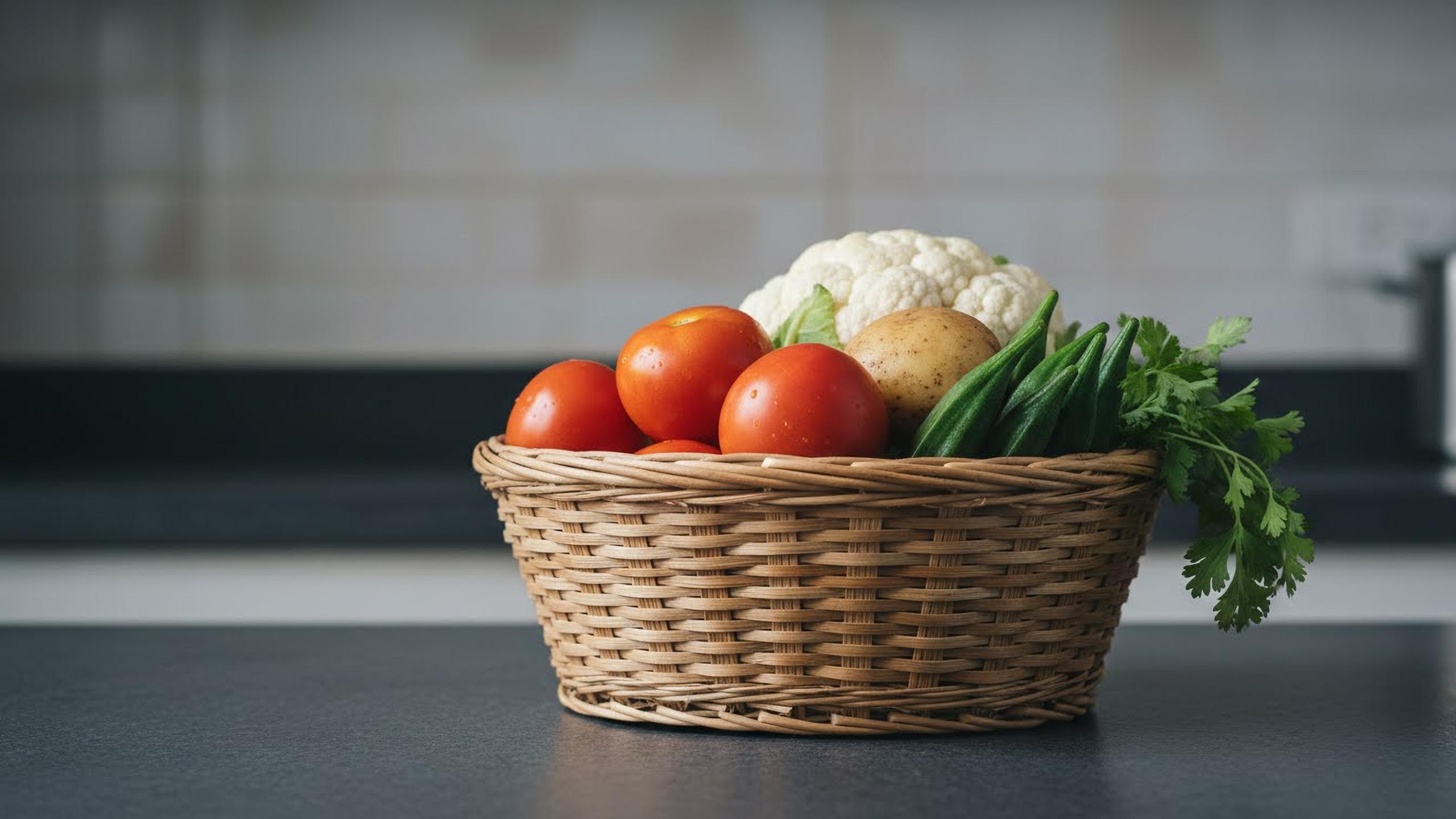
For the average household, these agricultural and logistical issues translate directly into higher grocery bills. Food inflation has already been climbing, rising to 5.52% in July 2026. While prices for some staples like potatoes and tomatoes have remained moderate, other everyday essentials are driving the pressure. Ginger, garlic, and onions have all seen significant year-on-year price increases. Pulses and oilseeds are also an area of concern, with sowing for these crops lagging behind last year's levels. The acreage for tur (pigeon pea) is down, raising concerns about future dal prices. Experts suggest a weak monsoon could add anywhere from ₹1,000 to ₹3,000 to a middle-income family's monthly budget as prices of vegetables, milk, and pulses tighten.
The Outlook and Official Response
Policymakers, including the Reserve Bank of India (RBI), are closely monitoring the situation. The central bank has flagged the adverse monsoon as a key risk to both inflation and economic growth projections. To cushion the impact, the government is relying on several measures. Strong buffer stocks of food grains, particularly rice and wheat, provide a significant safety net to prevent a major spike in cereal prices. Authorities are also prepared to use trade measures, such as strategic imports, and crack down on hoarding to manage the supply of essential commodities. While El Niño's impact remains a risk, proactive supply management could help mitigate the worst of the price shocks.