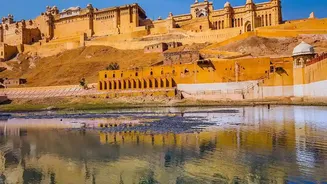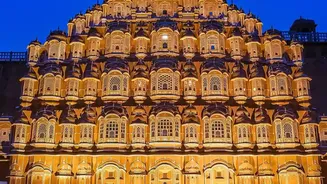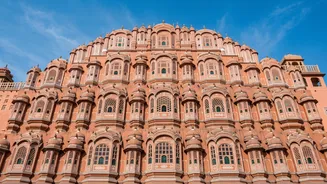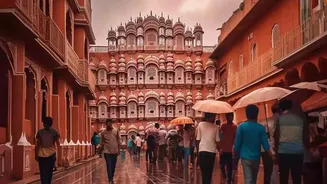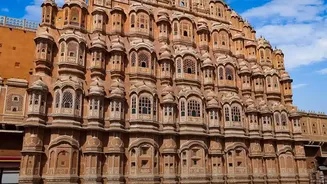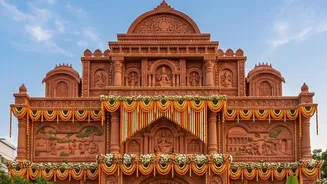





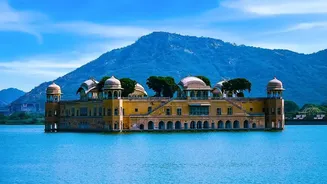
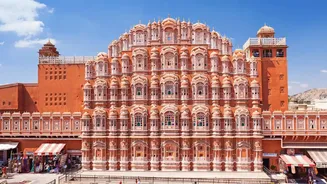
Jaipur has earned a prestigious spot on National Geographic's 'Best of the World 2027' list, shining a global spotlight on the Pink City just as it approaches its 300th anniversary. This isn't just a travel award; it's a celebration of living history.
A Landmark Global Honour
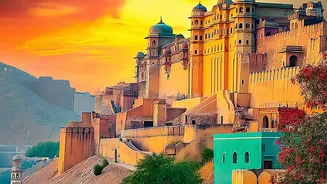
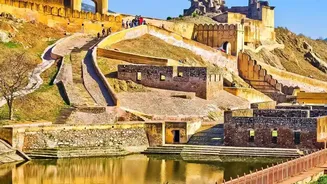
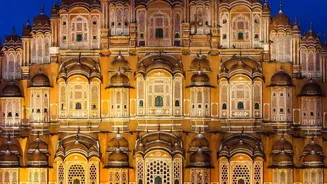
National Geographic's annual list recognizes destinations for their unique cultural significance and milestone events. Jaipur's inclusion is tied directly to its upcoming 300th anniversary in 2027, a testament to its enduring legacy as one of India's first planned cities. Founded in 1727 by Maharaja Sawai Jai Singh II, the city's organized grid layout, majestic architecture, and vibrant public squares were deemed worthy of a UNESCO World Heritage title in 2019. This latest accolade from a global authority like National Geographic reinforces Jaipur's status not as a relic of the past, but as a dynamic cultural hub where heritage is a part of daily life.
The Magic of Blue Pottery
Among the many crafts celebrated by this recognition is Jaipur's iconic Blue Pottery. With Turko-Persian origins, this art form is unique because it doesn't use clay. Instead, artisans create a dough from quartz powder, powdered glass, fuller's earth, borax, and gum. The pieces are then hand-painted with intricate floral, animal, or geometric motifs, often using a striking cobalt blue dye before being low-fired. This process results in beautiful, semi-translucent items like vases, bowls, and decorative tiles that are impervious and hygienic. While traditionally decorative, the craft has evolved to include a wide range of functional items, ensuring its relevance.
A Kaleidoscope of Textiles and Jewels
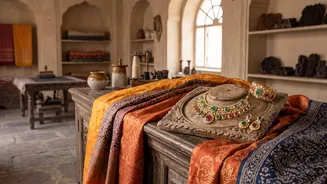
Jaipur's markets are a sensory explosion of colour and texture, driven by its world-renowned textile and jewellery trades. The city is a hub for intricate Bandhani and Leheriya tie-dye techniques, as well as the detailed art of block-printing. Tourism provides a crucial platform for artisans to showcase these generational skills. Equally famous is Johari Bazaar, the city's historic jewellery market. The word 'Johari' itself means jeweller. Here, master craftsmen continue the Mughal-era traditions of Kundan (setting stones in gold) and Meenakari (enamelling), creating breathtaking pieces that have made Jaipur a global centre for gemstone cutting and jewellery export.
Where Commerce and Culture Collide
The true spirit of Jaipur's craft culture is found in its bustling bazaars. These are not just shopping destinations; they are the economic and social heart of the city. When Jaipur was founded, it was carefully planned with designated areas for different trades, a structure that still defines the old city's markets today. Bapu Bazaar is a favourite for tourists and locals, offering a vibrant mix of textiles, leather Mojari footwear, and affordable souvenirs. Johari Bazaar remains the epicentre for serious jewellery buyers, while Tripolia Bazaar is known for lac bangles and metalware. Exploring these markets is more than a shopping trip—it's an immersion into a living heritage where commerce sustains centuries-old traditions.