
For decades, 'going for Indian' meant a familiar menu of butter chicken, dal makhani, and paneer tikka. But a delicious revolution is underway in India’s metros, with a surge of new restaurants championing authentic, unfiltered regional food.
Beyond the Pan-Indian Menu
For years,
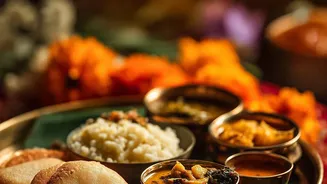
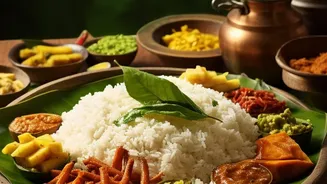
the urban Indian restaurant scene was dominated by a handful of North Indian, Mughlai-inspired dishes that, while delicious, represented only a fraction of the subcontinent's vast culinary heritage. This standardised menu became a comfortable but narrow definition of Indian food for many. Now, a new wave of chefs and restaurateurs is pushing back against this homogenisation. They are opening outlets dedicated to the specific, diverse, and 'unfiltered' cuisines of India’s many regions—from the smoky pork of Nagaland to the intricate vegetarian thalis of Karnataka. This trend is driven by a growing diner curiosity for authenticity and a desire to connect with culinary roots that go deeper than the familiar creamy gravies.
The Drivers of a Culinary Revolution
Several factors are fueling this shift. Today's urban diners are more experimental and culturally aware, actively seeking new experiences and deeper stories behind their food. According to industry reports, a significant percentage of diners are specifically looking to try regional cuisines. This interest is amplified by chefs who are no longer just cooks but cultural ambassadors, proudly showcasing the recipes of their heritage. Many are reviving lost recipes, championing indigenous ingredients like Himalayan grains or unique local chillies, and celebrating traditional cooking techniques like fermentation and slow cooking. This movement isn't just about flavour; it's about preserving and celebrating India's true culinary biodiversity.
A Taste of India's Diversity
This trend is bringing a vibrant array of flavours to city dining tables. In Mumbai, restaurants dedicated to authentic Bihari food are gaining popularity, serving robust dishes like litti chokha and Champaran meat. Meanwhile, Bengaluru is seeing a boom in eateries offering specific cuisines from Karnataka, moving beyond dosa to showcase 'naati' or village-style cooking with specialities like mutton pulav and akki roti. In Delhi, the flavours of the Northeast are finding a dedicated following, with restaurants like Oh! Assam offering authentic dishes such as smoked pork curry and duck thali. Even lesser-known coastal cuisines from Odisha, with dishes like dahibara aloodum and macha patrapoda (fish steamed in leaves), are finding a platform through pop-ups and specialised restaurants.
From Niche to Mainstream
What was once considered 'niche' is now becoming a celebrated part of the mainstream dining scene. This isn't just happening in standalone restaurants. Luxury hotels, once bastions of generic fine dining, are now creating curated menus that explore deep regional traditions. The success of this movement lies in its storytelling. Restaurants are not just serving food; they are providing context about where a dish comes from, the community that makes it, and the ingredients that give it a unique identity. This approach, which values provenance and craftsmanship, is redefining luxury itself—suggesting that the rarest ingredient might not be an import, but a perfectly prepared dish that tells a story of a specific place in India.